Bagpat, India: Nikah to Require Affidavit Before 'Qubool Hai'
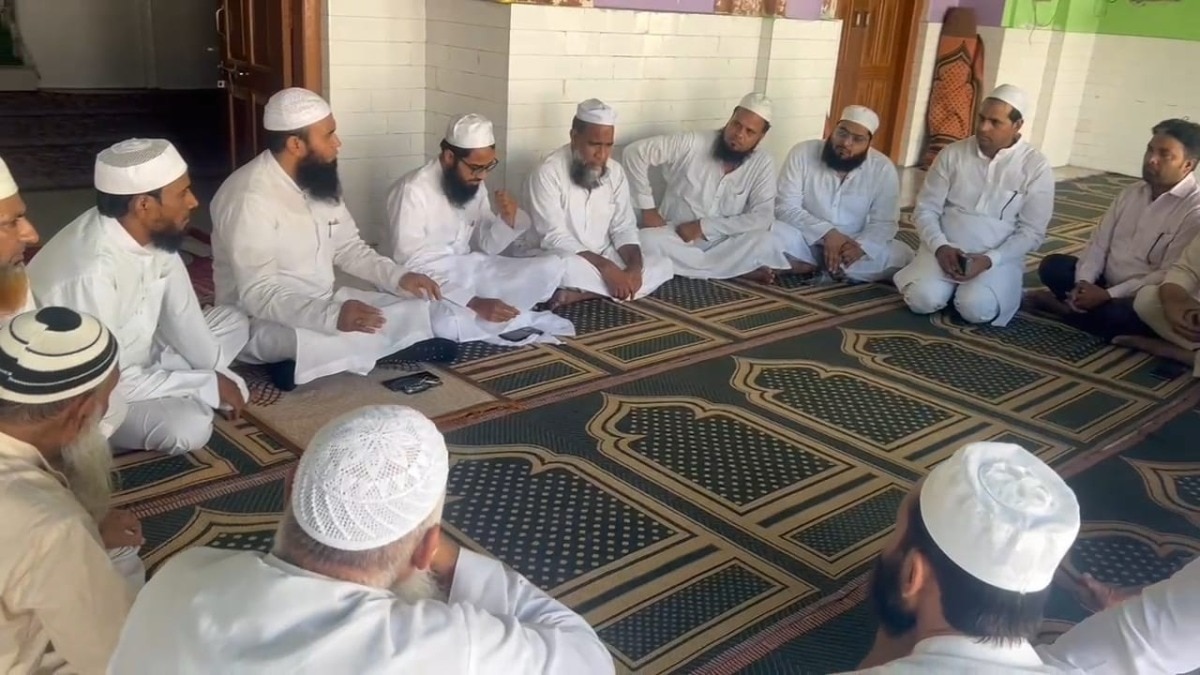
In a significant decision regarding the marriage process in Bagpat, Uttar Pradesh, a new requirement has been introduced for couples intending to marry. Henceforth, both the bride and groom's families will need to submit a legal affidavit on stamp paper before the Nikah ceremony can be conducted. This measure aims to enhance transparency within the marriage process. According to religious scholars (Ulema), this step is intended to protect the Imams, who officiate the ceremonies, from potential legal disputes. The decision seeks to bring greater legal clarity and accountability to the traditional Islamic marriage proceedings in the region.
This policy shift in Bagpat introduces a formal legal layer to the traditional Nikah ceremony, aiming to mitigate future disputes by requiring documented consent. By necessitating affidavits, the initiative seeks to clarify responsibilities and potentially reduce litigation involving religious officiants. The long-term impact may involve a redefinition of customary marriage practices within a more formalized legal framework, prompting consideration of how such requirements might affect accessibility and cultural norms in other regions. This approach could be viewed as a response to evolving societal expectations regarding legal certainty in personal matters.
AI-generated to prompt reflection — not editorial opinion, not advice, not a statement of fact. How this works.