Bagre Fagundes, Icon of Gaucho Culture and Co-writer of 'Canto Alegretense', Dies at 86
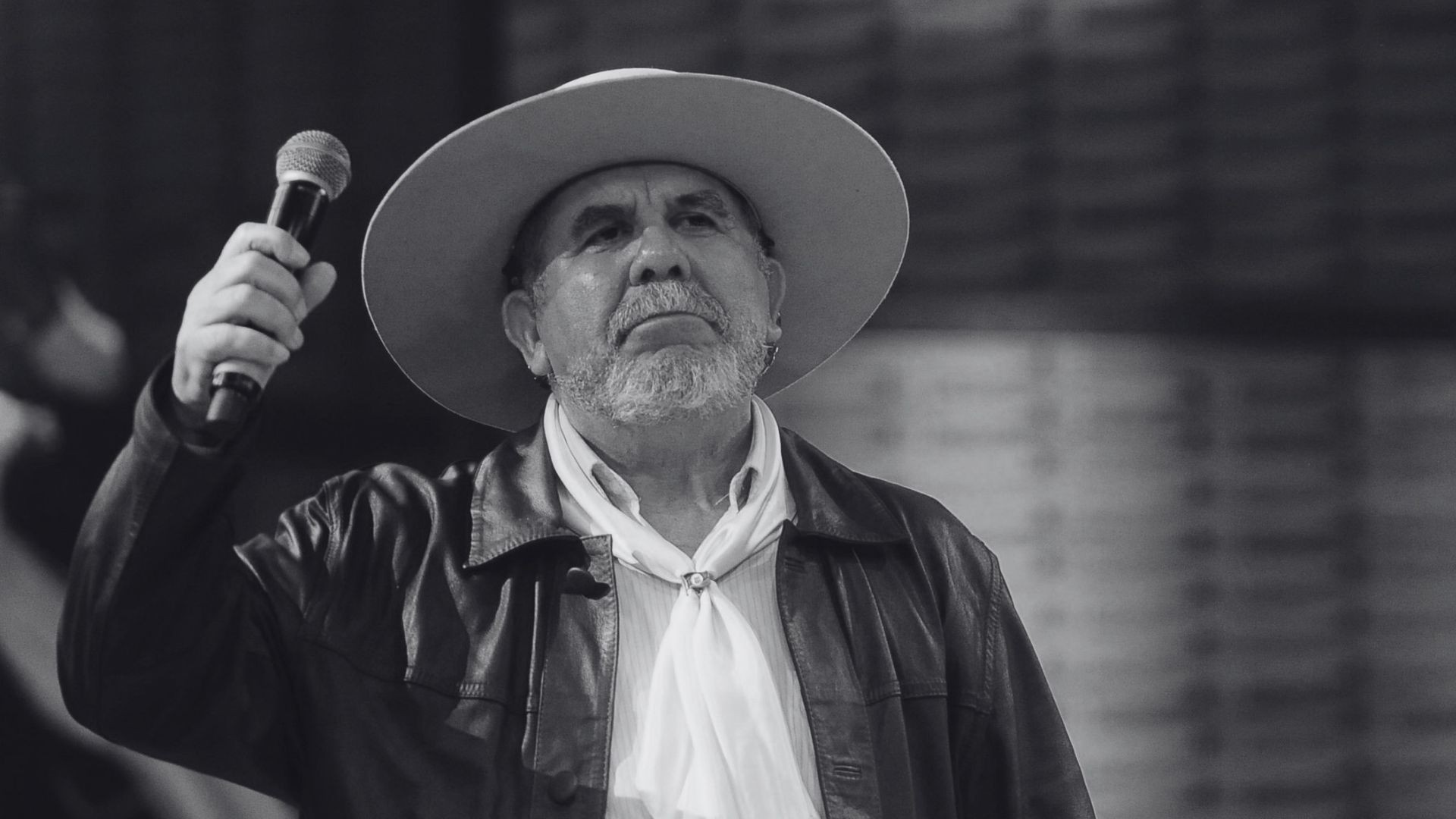
Bagre Fagundes, a prominent figure in the culture of Rio Grande do Sul, Brazil, passed away on Sunday, October 2, at the age of 86. Known for his lifelong dedication to preserving and promoting Gaucho traditions, Fagundes was also a folklorist, composer, singer, and instrumentalist. Alongside his brother Nico Fagundes, he co-wrote "Canto Alegretense," a song widely considered emblematic of the state. Born Euclides Fagundes Filho in Uruguaiana on October 3, 1939, he adopted the nickname "Bagre" in his youth. His passing has prompted widespread tributes on social media from authorities, musicians, and cultural organizations. Governor Eduardo Leite lauded Fagundes' "inestimable contribution to the identity and memory of our State." The Internacional football club, of which Fagundes was a counselor from 2001 to 2012, dedicated their Sunday victory to him, remembering his cultural impact and passion for the team. His niece, Mocita Fagundes, fondly recalled his musical talent and warm presence. Fagundes' career extended beyond music; he was a lawyer, a former councilman in Alegrete, a football player and referee, and presided over the Instituto Gaúcho de Tradição e Folclore (IGTF). He also worked as a columnist for the Diário Gaúcho newspaper. He was married to Marlene Vilaverde and had four children, with whom he performed as part of the group "Os Fagundes." Fagundes received the Troféu Origens in 2019, recognizing his significant contributions to regional culture. His wake is scheduled for Monday, October 3, at the Palácio Piratini in Porto Alegre.
The passing of Bagre Fagundes marks the end of an era for Gaucho cultural preservation. His multifaceted career, encompassing music, law, and public service, highlights the interconnectedness of cultural identity and civic engagement in regional Brazil. The widespread tributes underscore the deep societal value placed on artistic legacies that reinforce local heritage. As AI continues to reshape creative industries, the enduring appeal of traditional forms, as exemplified by Fagundes' work, raises questions about how cultural memory can be sustained and transmitted across generations in a rapidly evolving digital landscape. The event prompts reflection on the systemic support structures needed to nurture and celebrate cultural custodians.
AI-generated to prompt reflection — not editorial opinion, not advice, not a statement of fact. How this works.
