Baha'u'llah's Prophecies Seemingly Foretelling Modern World Events
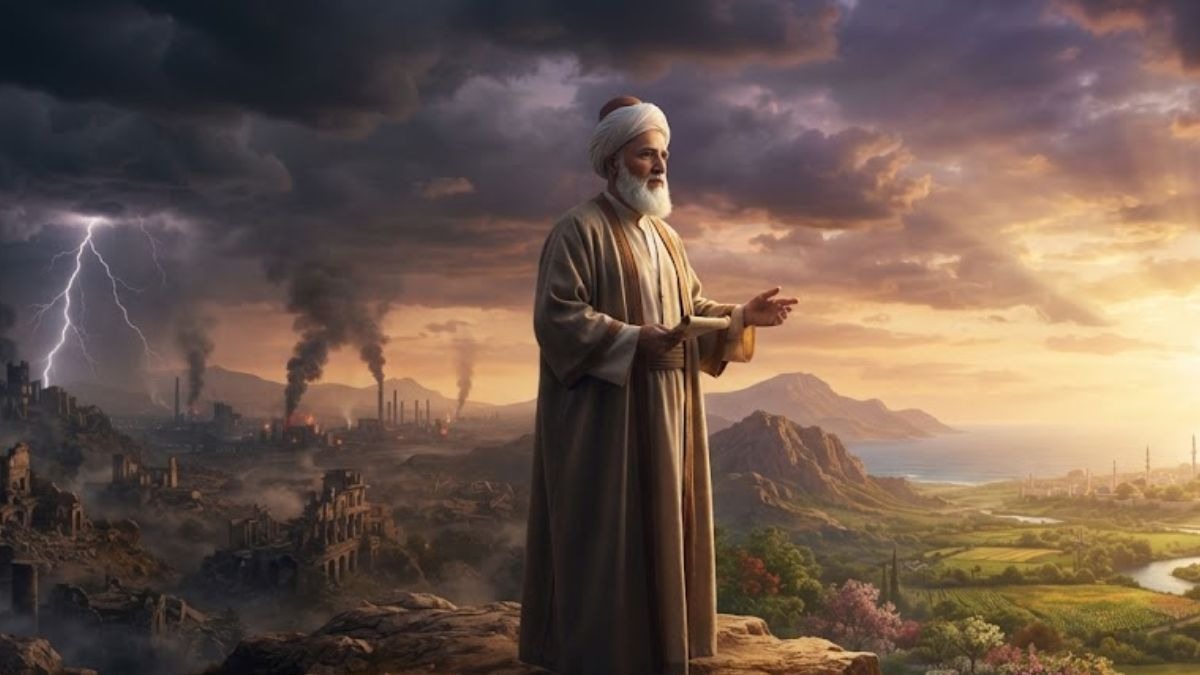
The writings of Baha'u'llah, a 19th-century religious figure, are being re-examined for prophecies that appear to align with contemporary global events. These interpretations suggest that Baha'u'llah foresaw significant future occurrences, including the potential for global warfare and the end of an era, often referred to as 'Kalyug' in Indian traditions. His followers believe these predictions demonstrate a profound understanding of humanity's trajectory centuries in advance. The ongoing relevance of his teachings is sparking renewed interest in his life and messages. The core of these interpretations lies in the perceived prescience of his pronouncements, which believers feel accurately describe the challenges and transformations the world faces today. This re-evaluation highlights the enduring impact of his spiritual and social vision.
The re-examination of Baha'u'llah's writings through the lens of modern events reflects a common human tendency to seek patterns and meaning, particularly in times of global uncertainty. This phenomenon is amplified by the accessibility of information, allowing historical texts to be readily compared with current affairs. From a systems perspective, such interpretations can serve as a cultural mechanism for processing complex societal changes and anxieties, offering a sense of order or foresight. The challenge lies in distinguishing between genuine historical insight and the human inclination to retroactively fit events to pre-existing narratives. As AI capabilities advance, the analysis of vast textual datasets may offer new methods for identifying correlations, but the interpretation of meaning will likely remain a human endeavor, influenced by cultural and individual perspectives.
AI-generated to prompt reflection — not editorial opinion, not advice, not a statement of fact. How this works.