Bahamas Club in São Paulo Closes Permanently Seven Months After Founder's Death
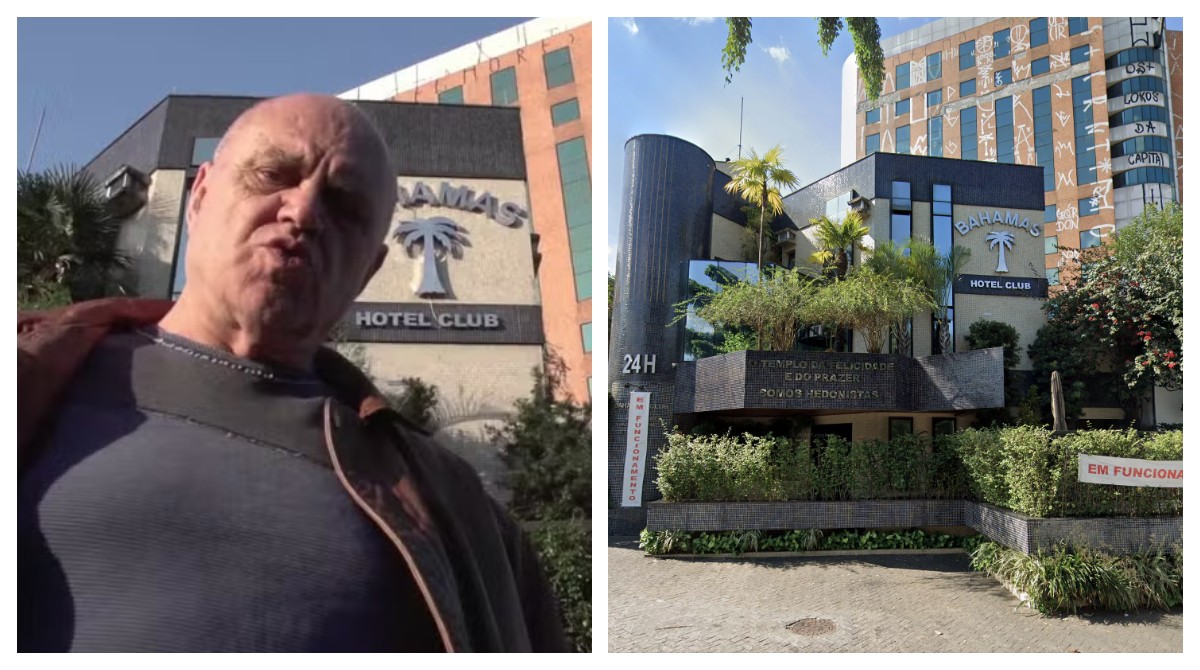
The Bahamas, a well-known and controversial nightlife establishment in São Paulo, has permanently ceased operations. This closure comes seven months after the death of its founder, businessman Oscar Maroni, who passed away on December 31, 2025, at the age of 74. The club's administration confirmed the closure without providing further details or a spokesperson for comment. Founded in the 1990s by Maroni in the Moema neighborhood, the Bahamas operated for over three decades, becoming a city landmark. It was recognized for its association with prostitution and for Maroni himself, who was often referred to as the "King of the Night" and considered the establishment an extension of his personality. Maroni's death had already cast doubt on the future of the business, as he was integral to its identity. The club was subsequently restructured by his heirs, Aratã and Aruã, Maroni's other children being Acauã and Aritana. Maroni, who initially started with a snack trailer, was a proponent of regulating prostitution and maintained the club was a space of freedom, consistently rejecting accusations of sexual exploitation. His career was marked by legal battles, including arrests and acquittals, notably being absolved of promoting prostitution by the São Paulo Court of Justice in 2013, which allowed the Bahamas to reopen after being closed for years. Around that time, it officially transitioned from a nightclub to a hotel following judicial decisions and licensing changes. Maroni was also known for public disputes with authorities, marketing campaigns, television appearances, and even a presidential candidacy announcement. In recent years, the Bahamas faced renewed scrutiny during the COVID-19 pandemic; in 2021, it was shut down for hosting a clandestine party with dozens of attendees violating mask and social distancing rules. Maroni agreed to pay R$10,000 to the Public Prosecutor's Office to settle the related legal action. In 2024, the family disclosed that Maroni had Alzheimer's disease and was residing in a nursing home.
The closure of the Bahamas club signifies the end of an era for a São Paulo institution deeply intertwined with its founder, Oscar Maroni. Maroni's long career, marked by both notoriety and legal challenges, highlights evolving societal norms and regulatory frameworks surrounding nightlife and sex work. The club's persistence through decades of controversy, judicial disputes, and changes in operational status, from nightclub to hotel, demonstrates a complex interplay between entrepreneurial drive, legal maneuvering, and public perception. As the nightlife industry continues to adapt to changing economic conditions, technological advancements, and evolving public health concerns, the Bahamas' legacy prompts reflection on the sustainability of business models reliant on controversial social dynamics and the challenges of generational succession in legacy enterprises.
AI-generated to prompt reflection — not editorial opinion, not advice, not a statement of fact. How this works.