Bahia Court Awards R$100,000 to Family of Municipal Guard Killed in Service
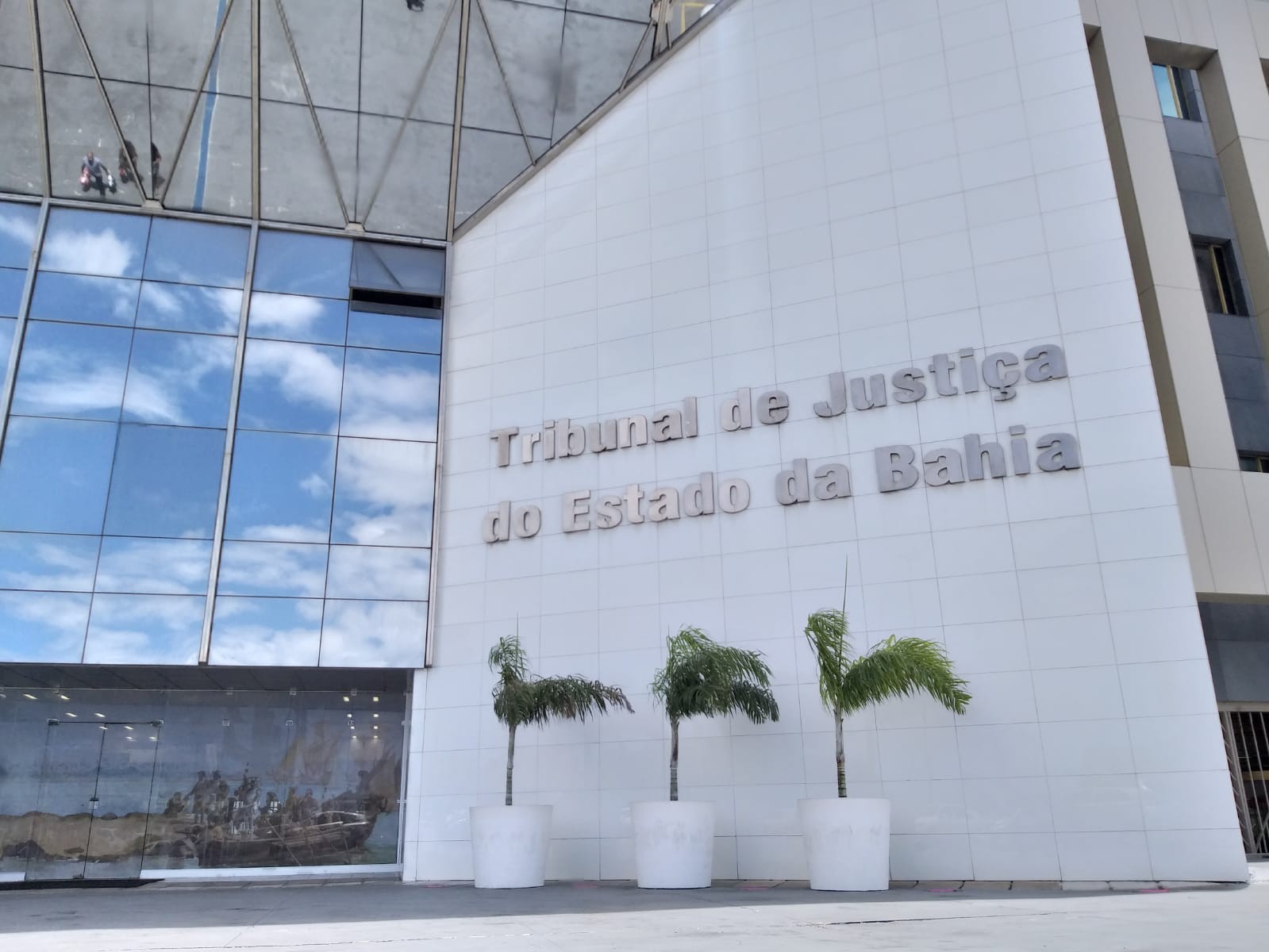
The Bahia Court of Justice (TJ-BA) has ruled that the son and widow of a municipal guard who died in the line of duty in Serra do Ramalho, Bahia, are entitled to R$100,000 in compensation. The decision, announced on Saturday, November 11th, mandates that the municipality and the State of Bahia must jointly pay the moral damages. Additionally, a monthly pension equivalent to two-thirds of the deceased guard's salary will be paid in a single installment. This pension is designated for the son until he reaches 25 years of age and for the widow until the guard would have turned 65, with the widow inheriting the son's share upon his reaching the age limit.
The incident occurred on September 8, 2000, when the guard, identified by his initials C.V.B., was assigned to transport a person with a mental disorder from the city's police station. During the transport, the passenger incapacitated the driver, leading to a loss of vehicle control and a fatal accident. The guard's family's defense argued that he was acting under the authority of the Bahia State Secretariat of Public Security (SSP-BA). Judge Yago Ferraro's ruling acknowledged the municipality's liability for assigning the guard to the task without adequate safety measures. The State of Bahia was also found responsible for failing to provide necessary public security resources and effectively transferring state functions to a municipal employee, thereby exposing him to undue risk.
This judicial decision highlights systemic issues in public service safety protocols, particularly concerning the transportation of individuals with mental health conditions. The ruling underscores the principle that governmental entities bear responsibility when inadequate safety measures lead to employee fatalities, even when the immediate cause involves an unpredictable interaction. The court's allocation of damages and pension reflects an attempt to provide financial redress and acknowledge the loss experienced by the victim's family. Future considerations for public administration might involve developing more robust risk assessment frameworks and specialized training for personnel handling sensitive transport duties to mitigate similar tragedies and ensure the well-being of public servants.
AI-generated to prompt reflection — not editorial opinion, not advice, not a statement of fact. How this works.