Bahia Elections: Voting locations changed for some Alagoinhas residents
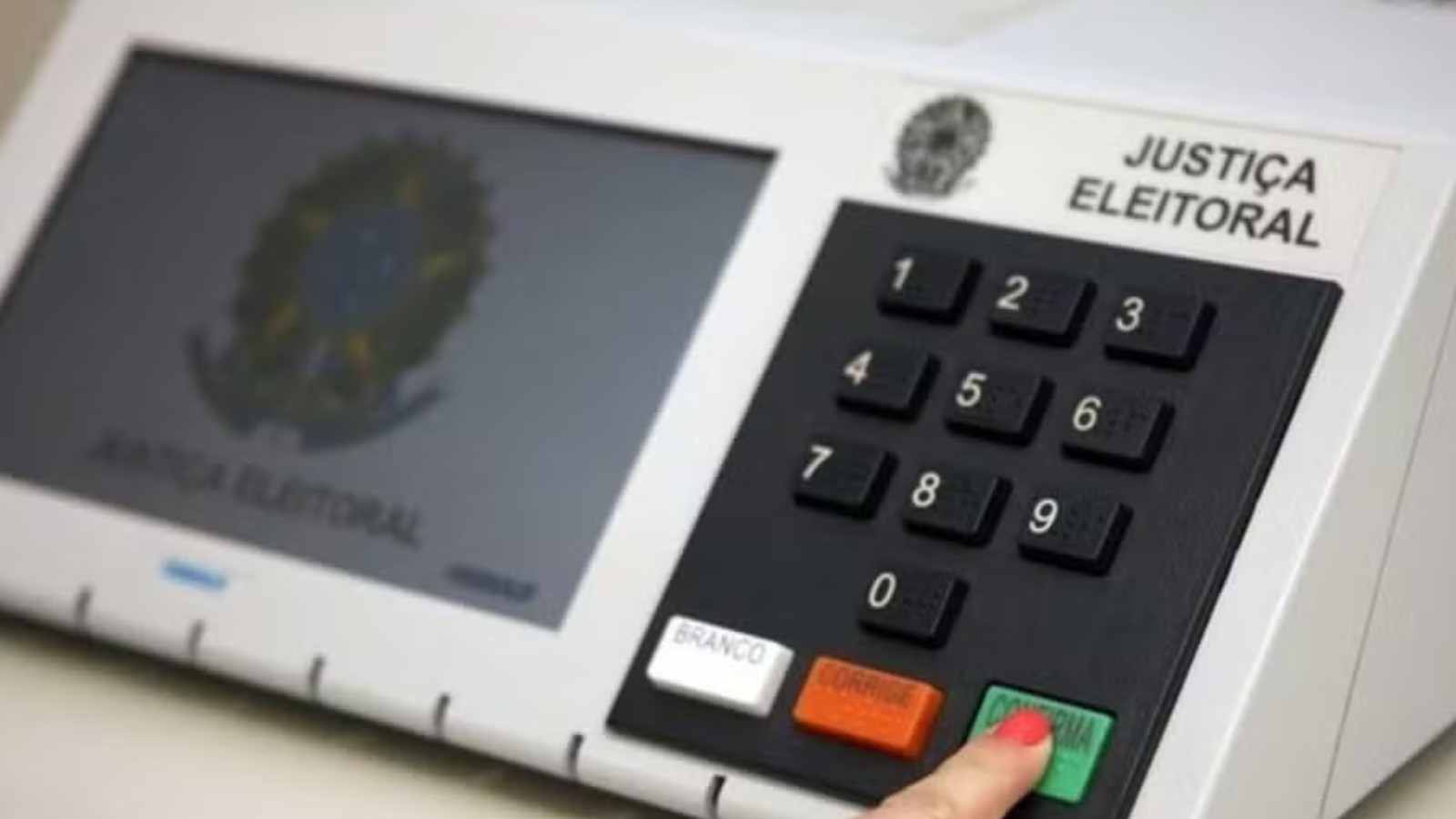
Ahead of municipal elections, several polling stations in Alagoinhas, a city located 77 km from Feira de Santana in Bahia, Brazil, have been relocated. These changes are attributed to various factors, including the closure of school facilities, the need to better manage voter flow, and the unsuitability of certain buildings for election purposes. The Electoral Justice urges affected voters to verify their new polling station details before election day to prevent any complications.
Specific shifts include the relocation of sections 197, 241, 406, and 407 from Municipal Schools Tomé de Souza, Nossa Senhora das Graças, and José Abelha Flores to the Escola Municipal do Campo de Alagoinhas due to the closure of the original units. Sections 157, 167, 176, 179, and 228, previously at Cetass, will now vote at Escola Municipal Professor Álvaro Palmeira because most of Cetass's rooms are used as laboratories. Additionally, sections 92-101 from Cenec are moving to Faculdade de Tecnologia e Ciências (Fatec) following Cenec's closure, and sections 291-292 from Colégio Uirassu de Assis Batista will be at Colégio Municipal Santa Terezinha due to high voter volume and insufficient space.
Further adjustments involve sections 239-240 from Escola Municipal Professor Carlos Santana moving to Colégio Adventista de Alagoinhas because the former school closed. Section 139, formerly at Prédio Municipal José Honorato, will now be at Creche Municipal São José due to a high number of voters. Lastly, sections 204, 214, 224, and 226 from Faculdade Santo Antônio are being transferred to Escola Municipal Professor Maurílio José do Espírito Santo because of significant voter flow and limited space. Voters can confirm their new locations via the e-Título app or the TRE-BA website.
The relocation of polling stations in Alagoinhas, Bahia, highlights the logistical challenges inherent in maintaining accessible and functional electoral infrastructure. These adjustments, driven by factors such as facility closures and capacity issues, underscore the dynamic interplay between urban development, resource allocation, and civic participation. As Brazil continues to leverage electronic voting systems, ensuring that the physical polling locations are adequately equipped and accessible remains a critical component of electoral integrity. Future planning may benefit from proactive strategies that anticipate infrastructure changes and their potential impact on voter turnout and convenience, thereby reinforcing trust in the electoral process.
AI-generated to prompt reflection — not editorial opinion, not advice, not a statement of fact. How this works.