Bahia Electoral Court Begins Recruiting 140,000 Poll Workers for 2026 Elections
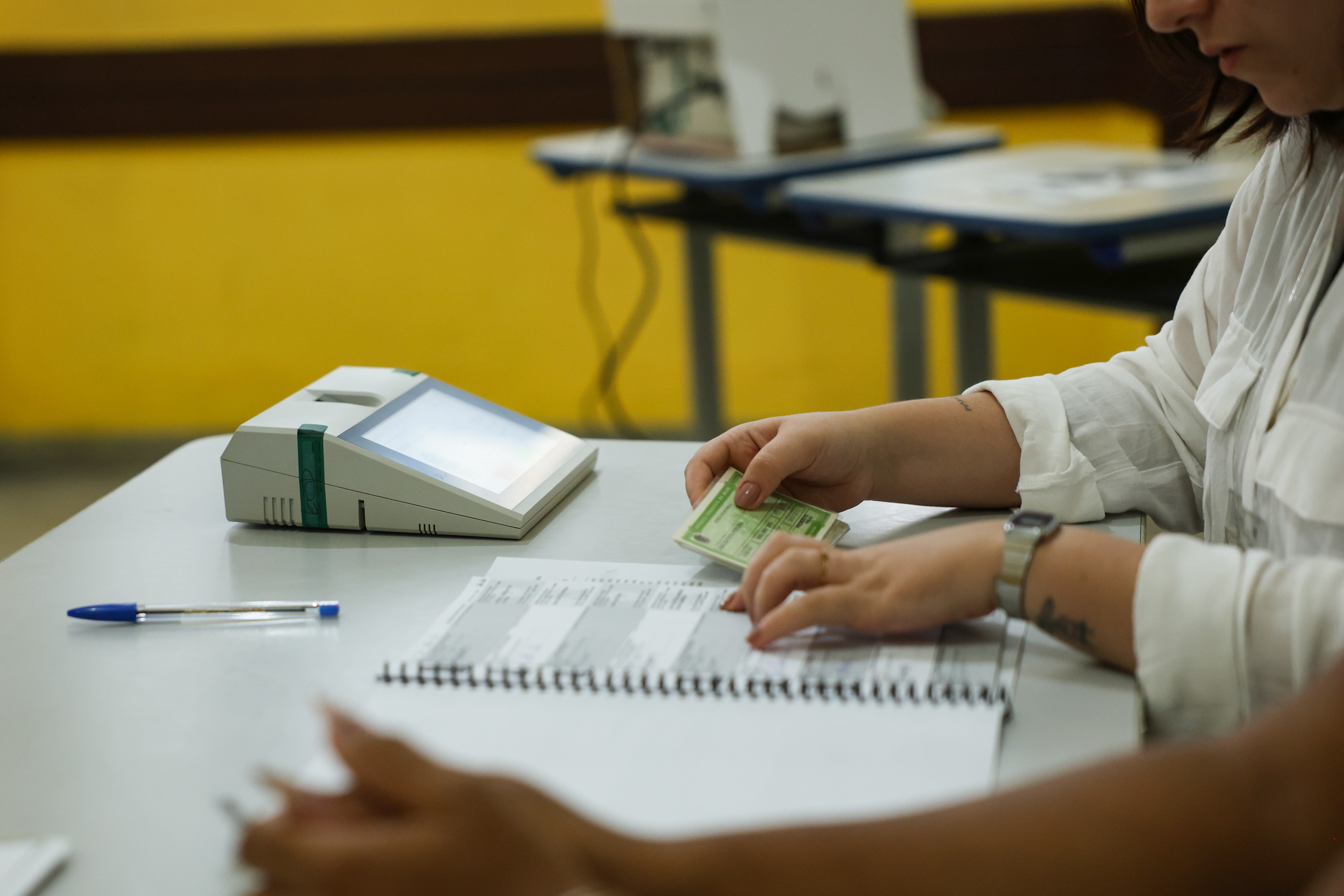
The Regional Electoral Court of Bahia (TRE-BA) has initiated the recruitment process for approximately 140,000 poll workers who will serve in the 2026 general elections. Eligible voters can check their status by visiting the "Portal do Mesário" on the TRE-BA website, using the e-Título app, or by contacting their local electoral office. Official notifications are being published in the TRE-BA's Electronic Justice Gazette, and communications with selected individuals will primarily occur via the court's official WhatsApp number, (71) 3373-7000, which will include a link to the official summons letter. This letter, requiring CPF or voter ID and date of birth for authentication, contains crucial details about the designation, training, and duties. TRE-BA emphasizes the importance of verifying the sender's official status before clicking any links, though direct checks via the "Portal do Mesário" are also an option. Poll workers play a vital role in organizing polling stations, greeting voters, verifying identification, providing voting guidance, and assisting with electronic voting machines. A voting reception desk (Mesa Receptora de Votos) typically consists of a president, first and second poll worker, and a secretary. In the 2024 municipal elections, Bahia summoned 142,969 poll workers statewide, with Salvador alone calling for 23,458, according to Superior Electoral Court (TSE) data. Beyond contributing to democracy, poll workers receive legal benefits including two days of paid leave for each election and training day, a daily food allowance of R$65.00 via Pix, and a participation certificate. Additional advantages include the potential to use poll work as complementary academic hours at partner institutions and as a tie-breaker in public service examinations where specified.
The TRE-BA's proactive recruitment of a large poll worker contingent for the 2026 elections highlights the logistical scale of democratic processes in Brazil. By leveraging digital channels like WhatsApp and official portals, the court aims for efficient communication and verification, mitigating risks of misinformation or fraud. The provision of benefits such as paid leave and meal allowances aims to incentivize participation, acknowledging the voluntary nature of poll work and its contribution to electoral integrity. This approach reflects an ongoing effort to balance administrative efficiency with public engagement, crucial for maintaining trust in electoral systems amidst evolving technological landscapes and societal expectations.
AI-generated to prompt reflection — not editorial opinion, not advice, not a statement of fact. How this works.