Bahia Operation Removes Over 640 Tons of Illicit Telecom Cables from Poles
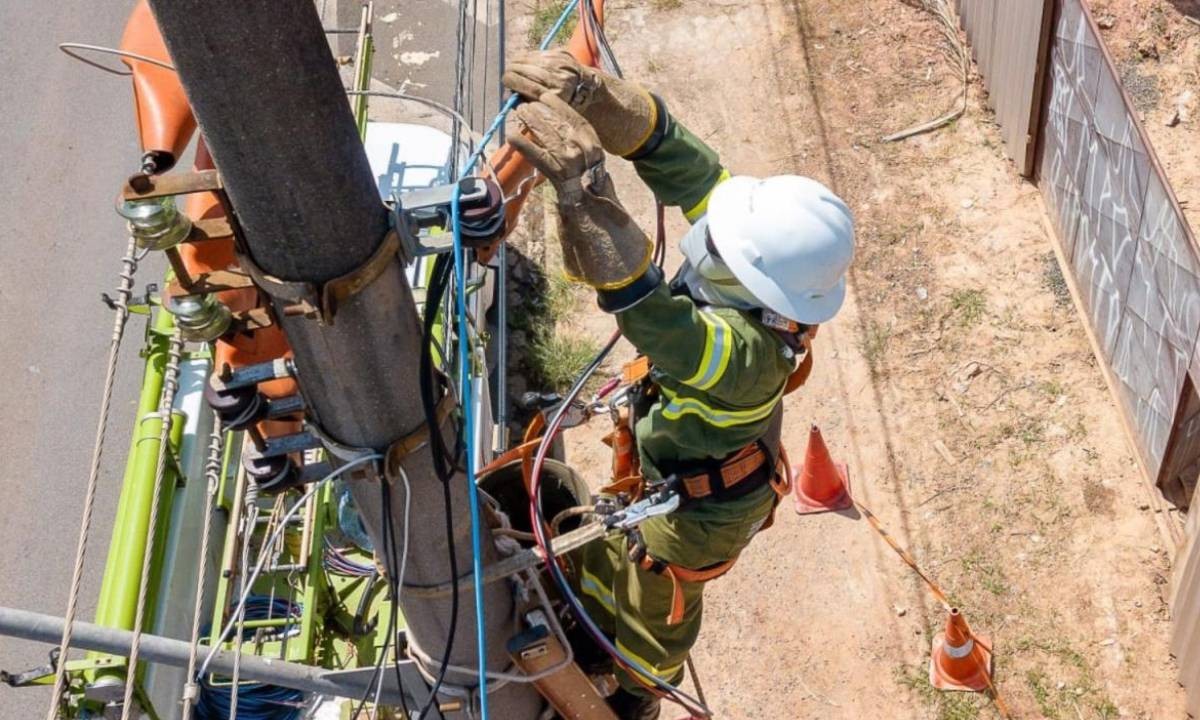
Neoenergia Coelba, an energy concessionaire in Bahia, Brazil, conducted an operation that removed 642 tons of illegally installed telecommunication and internet cables from utility poles during the first half of this year. The removed material was spread across 38,600 poles that were inspected. In addition to the cables, the operation also took down over 24,400 irregular boxes, which the company identified as a primary cause of cable fires. The "Operação Gatonet" specifically seized 35 tons of cables in Salvador alone. Other significant removals occurred in Lauro de Freitas (35.8 tons), Itaberaba (31.1 tons), and Barreiras (20.7 tons). Neoenergia Coelba is advising the public to only contract services from authorized and regularized providers, offering a portal for consumers to verify a list of approved operators. The company emphasized that the sharing of utility poles between energy distributors and telecommunications companies is governed by joint resolutions from regulatory agencies like Aneel and Anatel. These regulations mandate that companies using the poles must be properly licensed, maintain their equipment, and adhere to technical and commercial standards.
This operation highlights the ongoing challenge of managing shared infrastructure, particularly the tension between service expansion and regulatory compliance. The significant volume of removed cables suggests a widespread issue of unauthorized installations, potentially driven by consumer demand for connectivity and the cost-effectiveness of bypassing official channels. While the removal addresses immediate safety concerns, such as fire risks, it also points to systemic issues in infrastructure governance and enforcement. Future strategies might involve enhanced collaboration between energy and telecom regulators, clearer public awareness campaigns on the risks and responsibilities associated with service providers, and potentially more accessible pathways for legitimate providers to utilize existing infrastructure, balancing public safety with the demand for digital access.
AI-generated to prompt reflection — not editorial opinion, not advice, not a statement of fact. How this works.