Bahia Police Seize Over 200kg of Drugs in Operation, Arresting Officer and Law Student
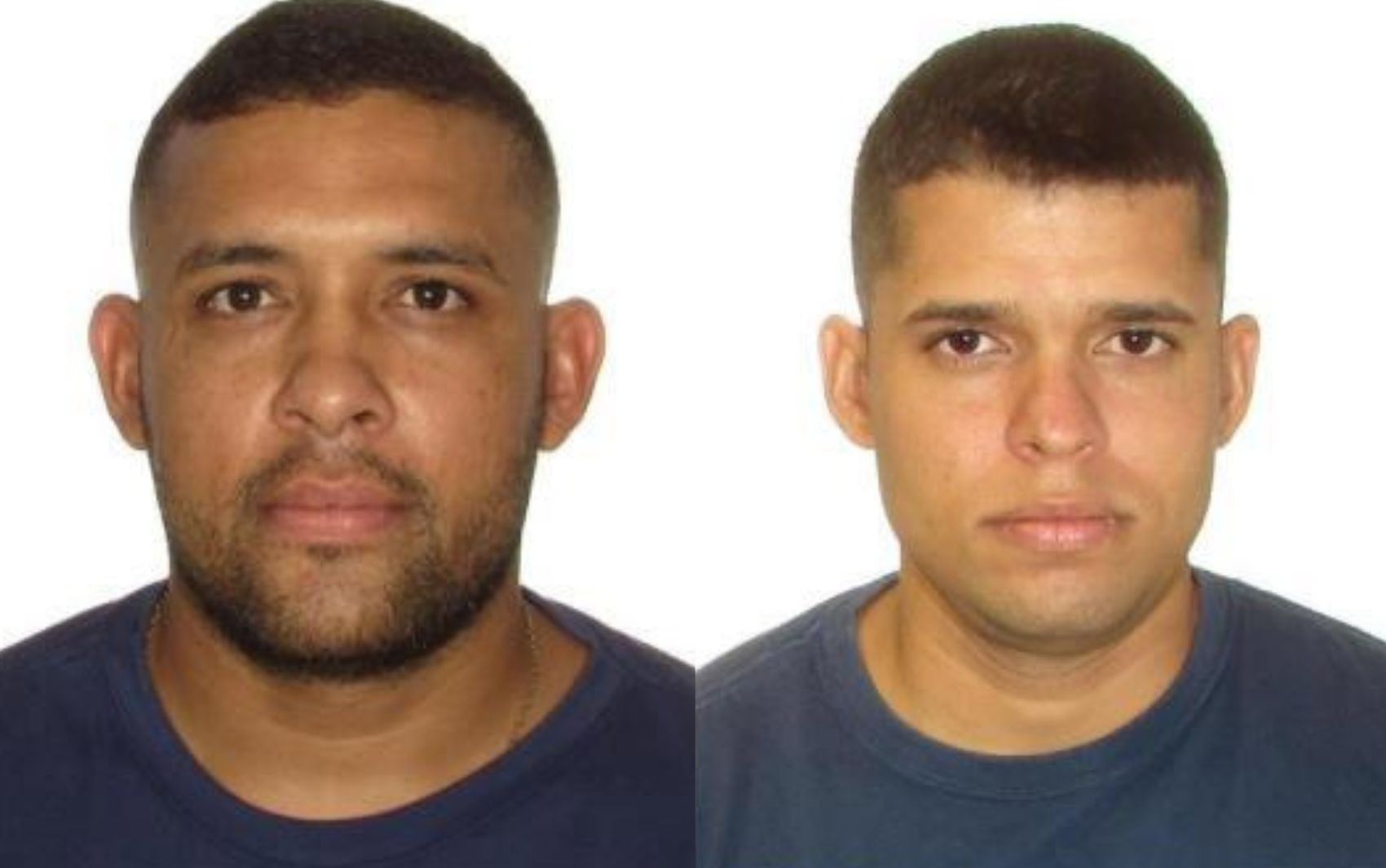
A significant drug bust in Bahia, Brazil, has resulted in the seizure of over 200 kilograms of narcotics and the arrest of a military police officer and a law student. The operation began on Wednesday, May 22nd, when Civil Police apprehended the officer, identified as soldier Elder Lourenço Santos Pereira, and the student, Renan Santana Carvalho, at the Salvador Norte Shopping parking lot. They were found with 69 kilograms of cocaine and 50 kilograms of crack hidden in a pickup truck. The student reportedly presented an expired Army identification document. The following day, Thursday, May 23rd, a further 81 kilograms of drugs were discovered in a property in Euclides da Cunha, northern Bahia. This second seizure included 74 kilograms of cocaine, two kilograms of cocaine base, and five kilograms of crack. Authorities also confiscated a luxury car valued at R$130,000, ammunition, and a precision scale. In total, the investigation has led to the recovery of more than 200 kilograms of illicit substances. The operation, spearheaded by the Department of Homicide and Personal Protection (DHPP), involved collaboration with regional police units. Investigations are ongoing to identify further members of the criminal organization and trace the origin and destination of the drugs. The military police have been contacted regarding any administrative procedures against the arrested soldier.
This operation highlights the persistent challenge of drug trafficking networks operating within Brazil, involving individuals from law enforcement and civilian sectors. The seizure of substantial quantities of cocaine and crack, coupled with the arrest of a police officer and a law student, suggests a complex and potentially deeply embedded criminal enterprise. The dual nature of the arrests—one in a public commercial space and the other in a residential property—indicates a multi-stage operation likely involving both transportation and storage. Future investigations will need to focus on unraveling the full scope of this network, including its financial infrastructure and international connections, to effectively disrupt its operations. Understanding the motivations and pathways that led individuals in positions of trust or education into such activities is crucial for developing more comprehensive prevention strategies.
AI-generated to prompt reflection — not editorial opinion, not advice, not a statement of fact. How this works.