Bahia Program Offers 80 High School Completion Spots with Up to R$2,000 Stipend
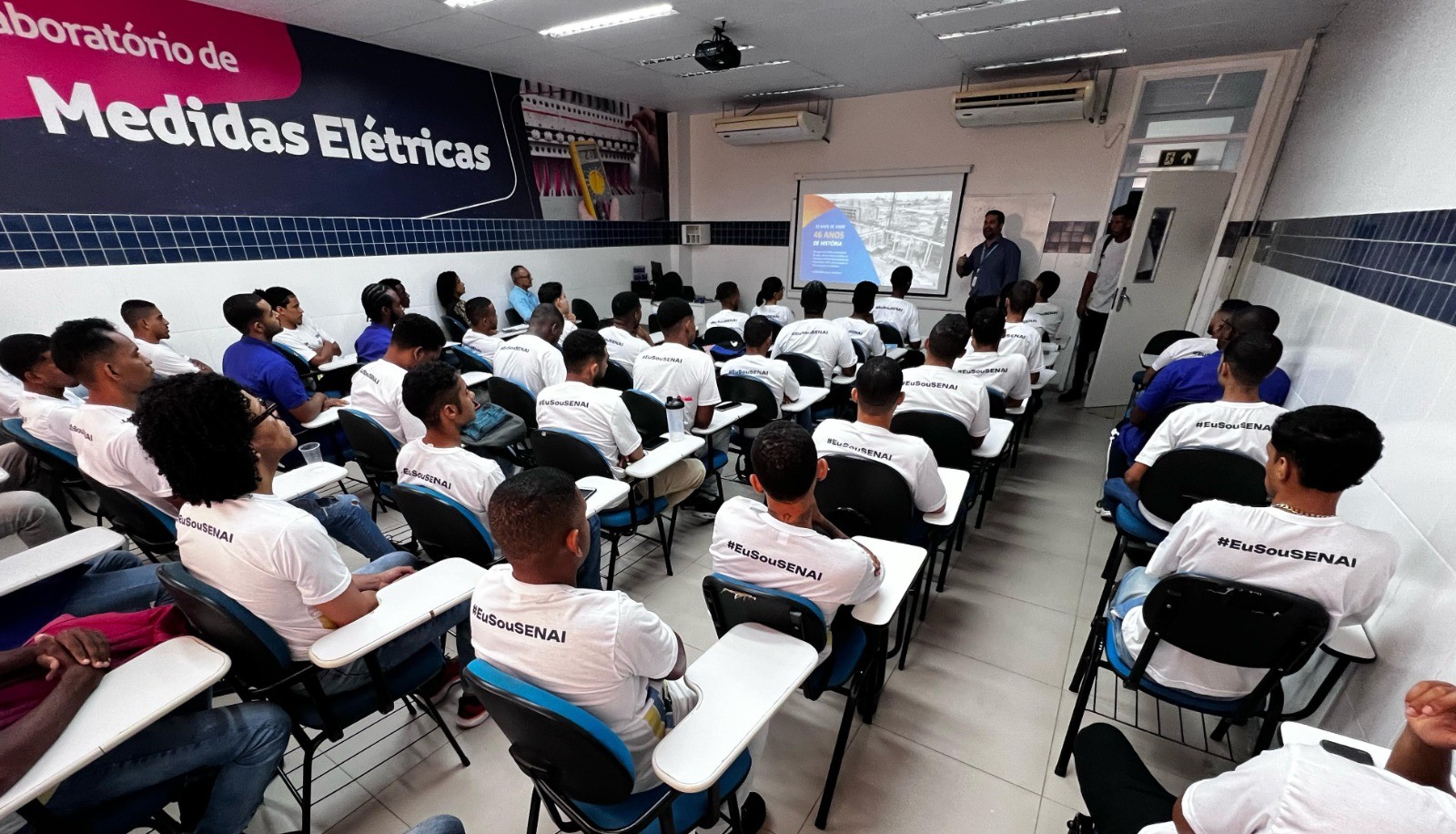
A program named SEJA PRO+ in Bahia, Brazil, is offering 80 spots for young adults to complete their high school education alongside professional training. This initiative targets residents of Camaçari and surrounding areas in the Metropolitan Region of Salvador who have finished elementary school but not high school. The program aims to provide both academic completion and vocational qualification, with courses in Industrial Electrician and Industrial Machinery Maintenance Mechanic. Applications are free and must be submitted online by Sunday, July 27th. Participants must be over 18 years old to be eligible. The course duration is approximately 12 months, combining Youth and Adult Education (EJA) with professional training, offered in both in-person and distance learning formats. In-person classes will be held three times a week in the evenings, while remote activities will utilize the SESI digital platform. Students who maintain regular attendance and pass their courses will receive a stipend ranging from R$300 per completed knowledge area, potentially reaching R$2,000 by the end of the program. Additionally, participants will receive free dental care during their studies and a graduation ceremony upon completion. The program is a collaboration between the Social Service of Industry (SESI), Braskem, and the National Service for Industrial Training (SENAI).
This program addresses a critical societal need by providing pathways for adults to achieve both high school equivalency and marketable vocational skills. By integrating professional training with academic completion, it aims to enhance employability and economic mobility for participants. The inclusion of a stipend and free dental care mitigates financial barriers, making the program more accessible. From a systemic perspective, such initiatives can help reduce the skills gap and foster a more qualified workforce, potentially boosting regional economic development. The hybrid learning model acknowledges diverse student needs and logistical constraints. Future iterations could explore partnerships with local industries for guaranteed internships or job placements to further solidify the program's impact on long-term career outcomes.
AI-generated to prompt reflection — not editorial opinion, not advice, not a statement of fact. How this works.