Bahia Prosecutors Arrest PIX Scam Suspects, Freeze Over R$10.8 Million
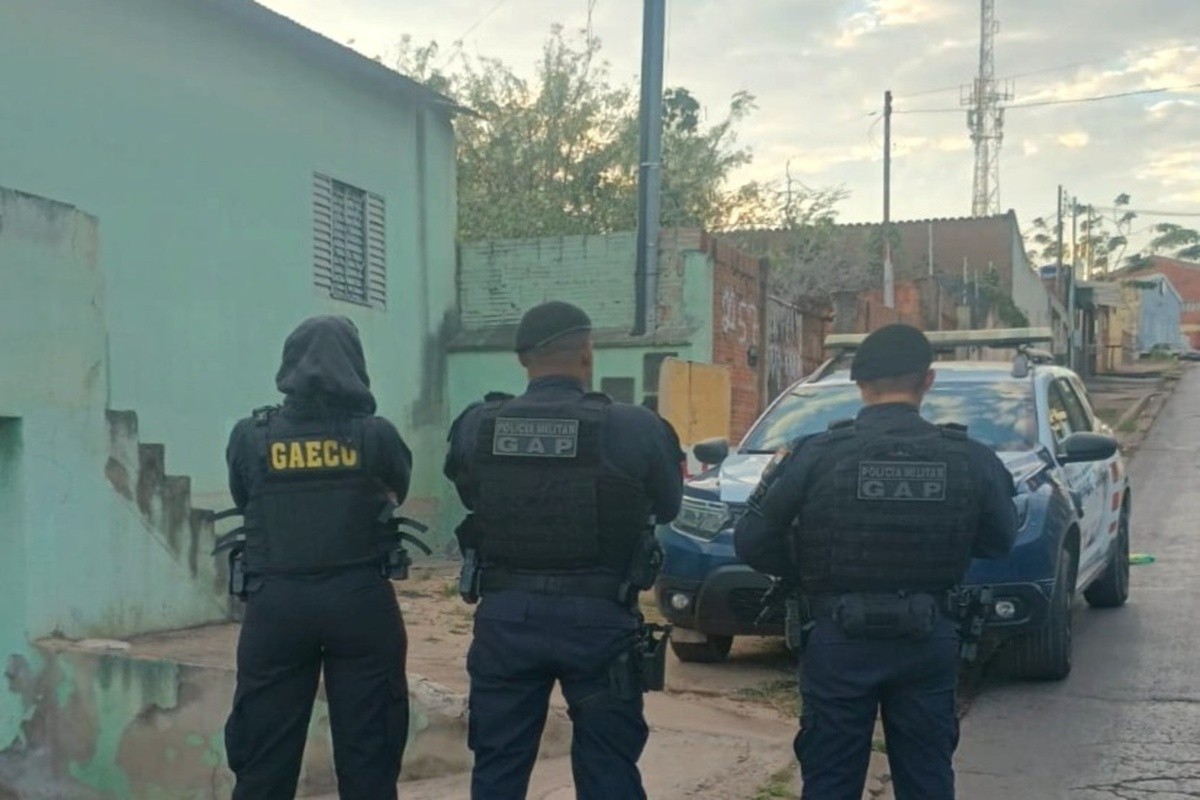
The Public Prosecutor's Office of Bahia (MPBA), in collaboration with the Public Prosecutor's Office of Mato Grosso (MPMT), has launched "Operation Falso PIX," leading to the arrest of two individuals suspected of operating a criminal organization involved in virtual scams and money laundering. The operation, which took place on Wednesday, May 29th, involved executing seven search and seizure warrants in Cuiabá and Várzea Grande, Mato Grosso. One of the arrested individuals is reportedly the operational leader of the group. A court has also ordered the freezing of assets and financial holdings exceeding R$10.8 million belonging to the suspects. These judicial orders were issued by the 1st Court of Guarantees in Salvador.
The investigation reveals a structured criminal network with a clear division of labor. The suspects allegedly used messaging apps and fake profiles to impersonate relatives, acquaintances, or vendors, tricking victims into making bank transfers under false pretenses. The MPBA stated that the majority of victims were elderly individuals and vulnerable people, targeted for their trust and emotional connections. Funds obtained through these scams were initially deposited into accounts used for illicit proceeds before being rapidly transferred to multiple bank accounts to hinder financial tracking. Subsequently, the money was withdrawn in cash or distributed among various beneficiaries, a process the MP described as an effort to conceal the origin of the funds.
This operation targets a sophisticated virtual scam network exploiting trust and vulnerability, particularly among the elderly. The methodology, involving impersonation and rapid fund diversion, highlights the ongoing challenge of digital financial crime. The significant amount frozen, R$10.8 million, underscores the scale of such operations and the potential for substantial financial losses for victims. Future efforts will likely focus on enhanced cross-state agency cooperation and technological countermeasures to track illicit financial flows in real-time. The case also points to the need for broader public education campaigns on digital security, especially for at-risk demographics, to mitigate the effectiveness of social engineering tactics in the evolving digital landscape.
AI-generated to prompt reflection — not editorial opinion, not advice, not a statement of fact. How this works.