Bahia's Independence Day: Symbols, History, and National Recognition
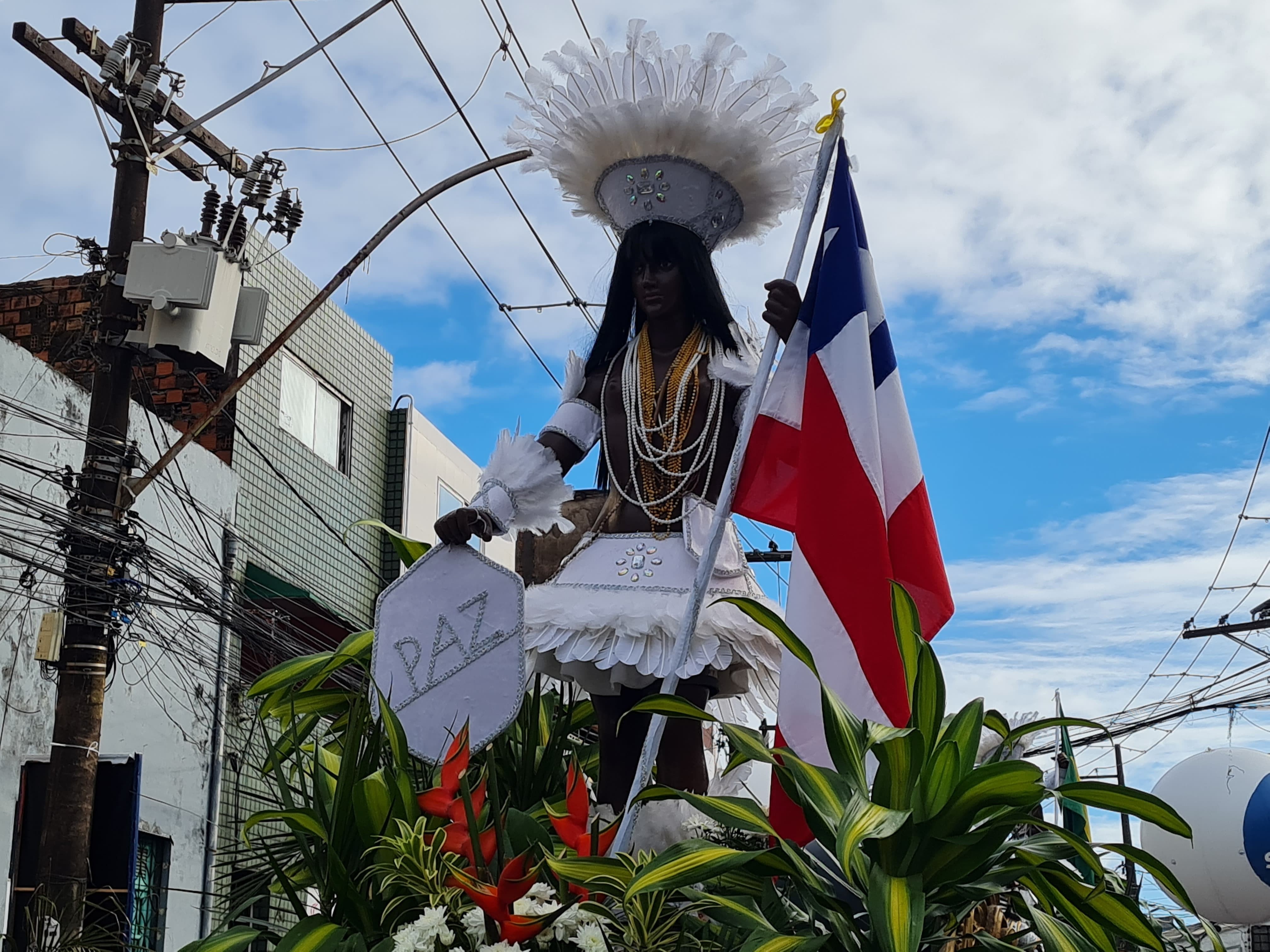
The 'Dois de Julho' holiday in Bahia, Brazil, commemorates the state's independence from Portuguese colonization, a pivotal moment in Brazilian history. This year, for the first time, Salvador was symbolically designated the federal capital of Brazil on this date, following the approval of a Senate bill. The celebrations prominently feature the figures of Caboclo and Cabocla, representing the will of the Bahian people during the anti-Lusitanian revolt. These figures, initially embodied by living individuals, evolved into statues around 1840, symbolizing Catarina Paraguaçu and a softening of the initial rebellious sentiment. The traditional procession begins in the Liberdade neighborhood and proceeds to Largo do Campo Grande, where the effigies remain for three days before returning to Lapinha. Historians note the spontaneous emergence of the parade after the final expulsion of Portuguese troops in July 1823. The sacred aspect of the Caboclo and Cabocla figures developed through popular devotion and a natural association with Afro-Brazilian religions, particularly Candomblé, leading to offerings and requests for blessings. The national recognition, established by Federal Deputy Leo Prates' bill, aims to honor the battle that solidified Brazil's independence, without disrupting essential services in Brasília. Historian Fábio Batista Pereira emphasizes that acknowledging this date highlights the contributions of marginalized populations, including Black and Indigenous peoples, to the nation's liberation. He views the 'Dois de Julho' legacy as a continuous struggle for full citizenship and a reminder of democratic values, especially relevant amidst contemporary debates on national sovereignty.
The symbolic designation of Salvador as the federal capital on July 2nd underscores a national effort to recognize diverse historical narratives beyond the traditional September 7th Independence Day. This move acknowledges the crucial role of regional resistance and marginalized communities, including Indigenous and Afro-descendant populations, in shaping Brazil's independence. By elevating the 'Dois de Julho' celebrations, Brazil potentially fosters a more inclusive national identity, integrating historical events that reflect a broader spectrum of the country's formation. This approach could encourage a deeper understanding of federalism and historical memory, prompting future policy considerations regarding the decentralization of national symbolism and the recognition of regional contributions to national sovereignty.
AI-generated to prompt reflection — not editorial opinion, not advice, not a statement of fact. How this works.