Bahia's Inema Issues Heavy Rain Alert for Salvador and Other Cities
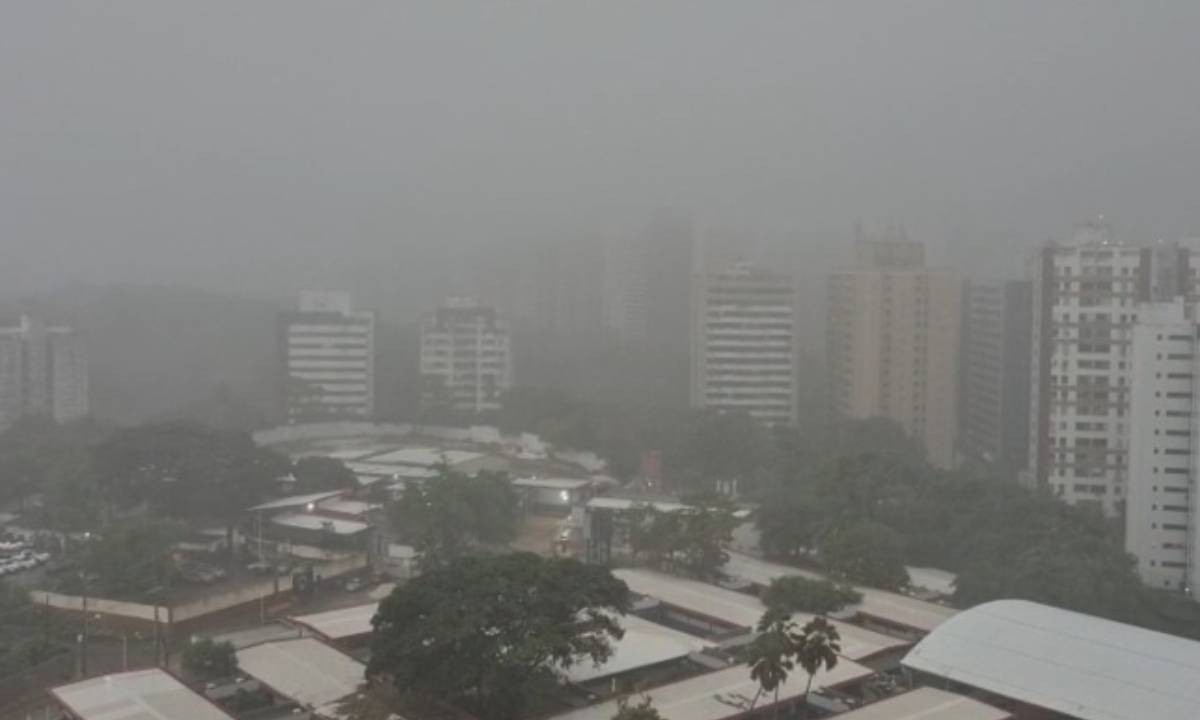
The Institute of Environment and Water Resources (Inema) in Bahia, Brazil, issued a meteorological alert on Tuesday, November 14th, predicting unstable weather conditions for Salvador and several other cities in the state over the following hours. The forecast indicates cloudy skies, persistent rain, and moderate to strong wind gusts expected to continue until 12:00 PM on Wednesday, November 15th. The alert specifically covers Salvador, the North Coast, South Coast, Lower South, Recôncavo Baiano, and the metropolitan region (RMS).
Inema warned that the recent rainfall volume increases the likelihood of localized issues such as flooding and landslides, particularly in areas already experiencing high precipitation. Residents in the affected regions are advised to monitor weather updates and follow guidance from municipal civil defense and protection agencies. Looking ahead, instability is expected to decrease on the coast by Wednesday, with isolated showers possible, especially on the North Coast. Salvador, RMS, and Recôncavo may see variable cloudiness and passing rain. The interior of the state is expected to remain stable. For Thursday, November 16th, rapid coastal showers are predicted, mainly in the morning, while Salvador, RMS, and Recôncavo will experience sunny spells interspersed with clouds. Other regions of the state are forecast to remain dry and stable. In the preceding 24 hours, the highest rainfall accumulations recorded by Inema were in Candeias (71.3 mm), Porto Seguro (47.9 mm), Santa Cruz Cabrália (29.2 mm), and Eunápolis (28.6 mm).
This alert highlights the recurring challenge of managing extreme weather events in regions with varied topography and high population density. The issued warnings aim to mitigate risks such as flooding and landslides, underscoring the critical role of robust civil defense infrastructure and timely public information dissemination. Future preparedness may involve enhanced early warning systems, improved urban planning to manage water runoff, and community resilience programs, particularly in areas historically prone to such events. The focus on public advisories and adherence to civil defense guidance reflects a systemic approach to risk management, emphasizing citizen cooperation alongside institutional response.
AI-generated to prompt reflection — not editorial opinion, not advice, not a statement of fact. How this works.