Bahia's Social Currencies Boost Local Economies and Community Identity
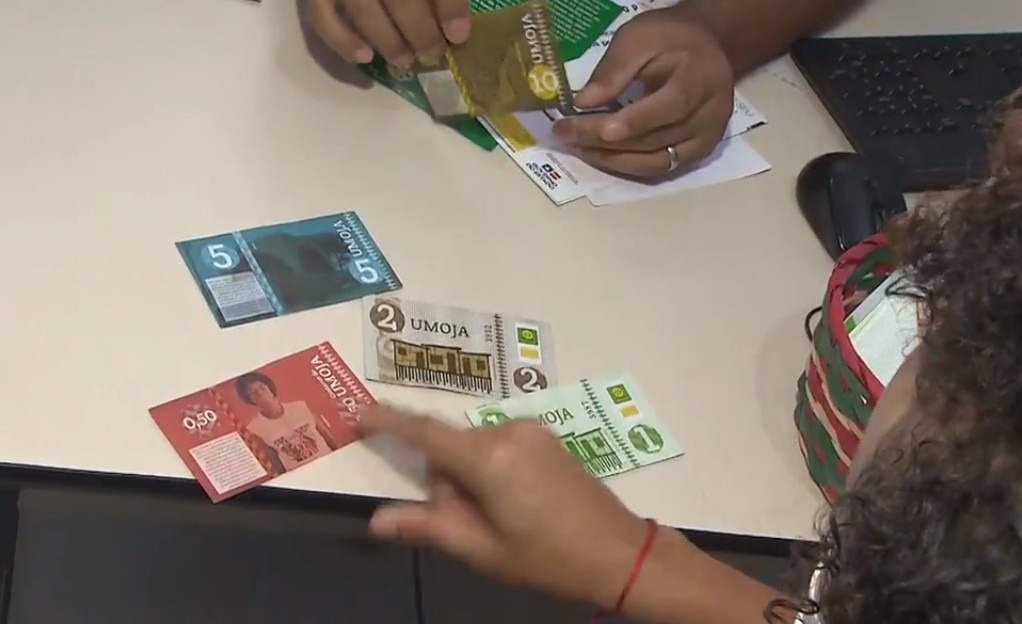
Social currencies are gaining traction in Bahia, Brazil, as a strategy for local economic development and community empowerment. These alternative currencies, managed by community banks, aim to keep financial resources circulating within specific territories, fostering local commerce and services. With a parity to the Brazilian Real, they are currently used in various districts across Bahia, from rural areas to neighborhoods in Salvador. The initiative is spearheaded by the Secretariat of Labor, Employment, Income and Sport (Setre-BA), with the primary goal of poverty reduction, according to José Paulo Crisóstomo, superintendent of Solidarity Economy and Cooperativism at Setre-BA.
Community banks, integral to the solidarity economy movement, offer financial services tailored to underserved communities. Their operations include issuing social currencies (physical or digital) for local trade, providing microcredit with minimal or zero interest based on community trust, and managing finances through resident associations or NGOs without profit motives. The cycle begins with community banks issuing these currencies via microcredit, remuneration, or social benefits, which are then used at registered local businesses. Merchants can either use the currency for further transactions within the community or exchange it for Brazilian Reais, thereby reinforcing local economic circulation.
Beyond their economic function, these social currencies serve as a vital support network, enhancing personal finances and fostering a sense of belonging and pride. Antônia Correia, a resident of Ilha de Matarandiba, shared how the local currency, 'Concha,' significantly aided her in achieving her dream of homeownership through access to microcredit and local building material suppliers. The currencies also promote local identity, often named after regional cultural elements like rivers or local professions, strengthening community cohesion and autonomy. This system is particularly relevant given the declining number of physical bank branches in Brazil, especially in smaller towns, making community banks and social currencies crucial for financial inclusion and local resilience.
The proliferation of social currencies in Bahia represents a response to both economic exclusion and a desire for localized economic control. By creating closed-loop systems, these currencies aim to mitigate the 'leakage' of capital from local economies, thereby stimulating internal commerce and entrepreneurship. This strategy can enhance community resilience by fostering self-sufficiency and reducing reliance on external financial institutions, particularly in areas underserved by traditional banking. The emphasis on culturally resonant naming also suggests a deliberate effort to build social capital and collective identity alongside economic activity. However, the long-term sustainability and scalability of such initiatives depend on robust community governance, consistent merchant adoption, and effective integration with broader economic policies. The challenge lies in balancing the benefits of localized control with the need for broader economic integration and stability, ensuring these currencies empower rather than isolate communities.
AI-generated to prompt reflection — not editorial opinion, not advice, not a statement of fact. How this works.