Bahia State Deputy Binho Galinha Sentenced to Over 36 Years in Prison
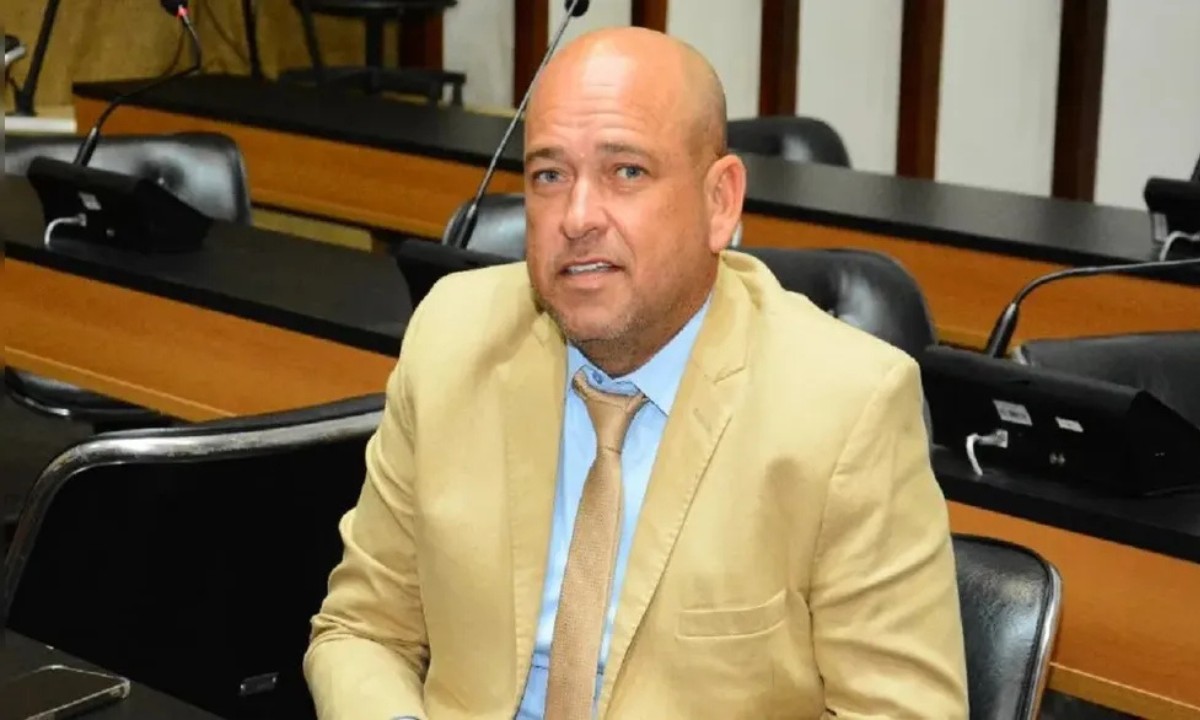
State Deputy Kleber Cristian Escolano, widely known as "Binho Galinha" and affiliated with the Avante party, has been sentenced to over 36 years in prison in Bahia, Brazil. The conviction stems from crimes related to illegal arms possession, as outlined in the Statute of Disarmament. In addition to the deputy, four other individuals received sentences, while a fifth person's case was dismissed due to their death. This sentencing is connected to "Operation El Patrón," an investigation that also examines the politician's alleged involvement with organized crime, money laundering, and illegal gambling. Binho Galinha has been detained since October of the previous year, accused of leading a criminal organization active for over a decade in Feira de Santana, the state's second-largest city. Despite his conviction and imprisonment, he remains a member of the Legislative Assembly of Bahia (Alba). The judge, Márcia Simões Costa, has officially notified Alba of the decision for appropriate action. The defense team, led by lawyer Gamil Foppel, asserts Binho Galinha's innocence, describing the sentence as disproportionate and disconnected from the case's evidence. They express confidence that higher courts will recognize his innocence.
The sentencing of Deputy Binho Galinha highlights potential systemic issues in legal and political accountability. While the conviction addresses alleged criminal activities including illegal arms possession and organized crime, the defense's strong claims of disproportionality and procedural error warrant scrutiny. The ongoing political mandate of an incarcerated official raises questions about legislative oversight and the separation of powers. Future legal processes and Alba's response will be critical in determining the integrity of the judicial outcome and its implications for public trust. This case underscores the complex interplay between judicial pronouncements, political office, and the public's expectation of justice, particularly in contexts involving allegations of significant criminal enterprise.
AI-generated to prompt reflection — not editorial opinion, not advice, not a statement of fact. How this works.