Bahia State Schools to Integrate Early Pregnancy Prevention into Curriculum
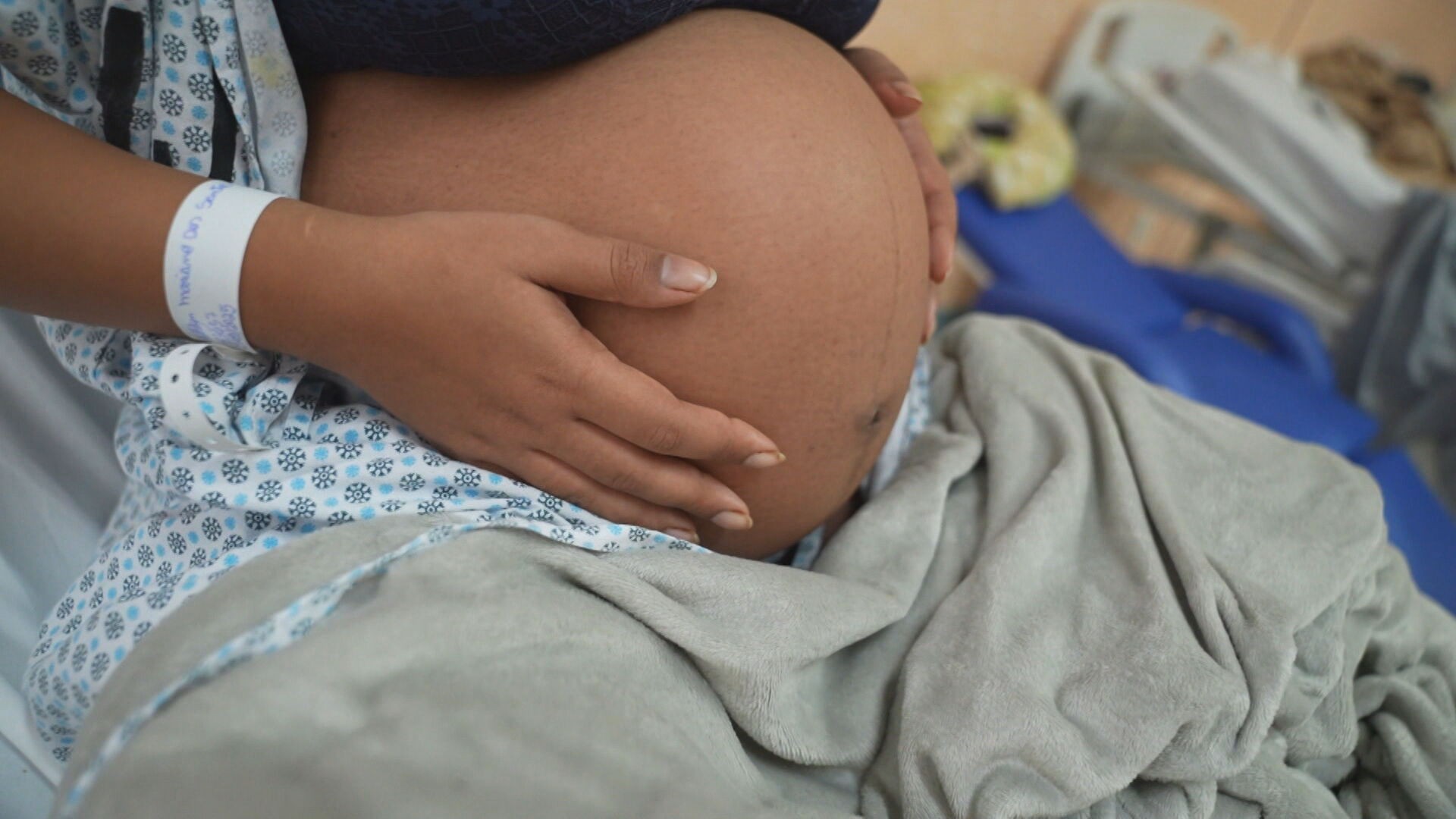
The state of Bahia, Brazil, has enacted a new law, Lei nº 15.177, mandating the inclusion of early pregnancy prevention content within the curriculum of its state-run schools. This legislation was promulgated by the President of the Legislative Assembly (Alba), Deputy Ivana Bastos (PSD), and officially published on July 1st. While the law is now in effect, its practical implementation awaits further regulation by the Bahia State Government, which has a 90-day period to define the specific methods for incorporating this educational content. The exact topics to be covered and the required instructional hours are not detailed in the current law and will be determined during the executive branch's regulatory process. The Secretary of Education of Bahia was contacted for details on the timeline and approach for this implementation but had not yet responded.
Separately, another legislative proposal is under consideration in the Alba that focuses on the protection of minors. This bill, introduced by State Deputy Júnior Muniz (PT), requires public and private schools to promptly report any cases of pregnancy involving students under the age of 14 to relevant authorities, including the Public Prosecutor's Office, Civil Police, and the Child Protective Services. The justification for this bill highlights that sexual relations with individuals under 14 are legally considered rape of a vulnerable person in Brazil, meaning such pregnancies should be treated as indicators of potential sexual violence requiring intervention from child protection networks. Unlike the early pregnancy prevention law, this protection-focused bill has not yet been approved or enacted and remains in the legislative process.
This legislative development in Bahia addresses critical public health and educational challenges concerning adolescent sexuality and reproductive health. By integrating early pregnancy prevention into the school curriculum, the state aims to equip young people with knowledge to make informed decisions, potentially reducing rates of unintended pregnancies and associated socio-economic impacts. The parallel legislative effort to mandate reporting of pregnancies in minors under 14 underscores a focus on identifying and responding to potential sexual exploitation and violence. The effectiveness of these measures will hinge on robust regulatory frameworks that ensure culturally sensitive and age-appropriate delivery of educational content, alongside clear protocols for child protection services. Future policy considerations might explore the intersection of these initiatives with broader adolescent mental health support and comprehensive sex education, ensuring a holistic approach to safeguarding young people's well-being and future opportunities in an evolving societal landscape.
AI-generated to prompt reflection — not editorial opinion, not advice, not a statement of fact. How this works.