Bahia Teen Attacked After Rejecting Suitor, Exposing His Advances to Girlfriend
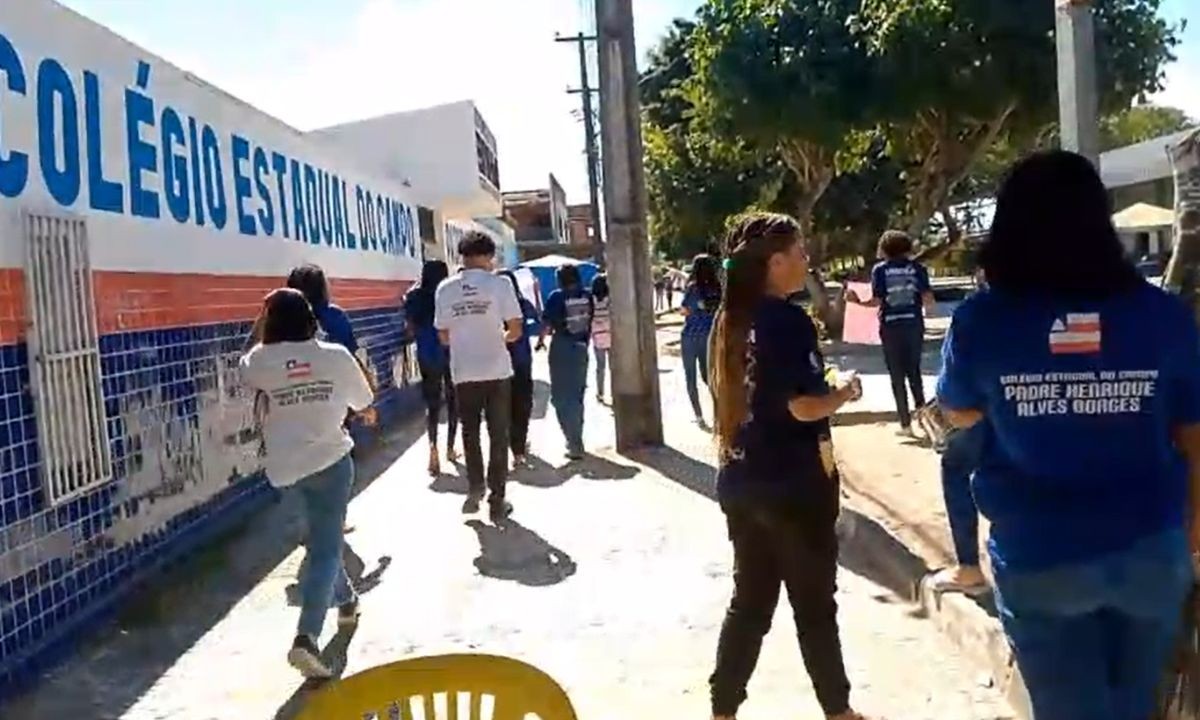
A 16-year-old girl in Feira de Santana, Bahia, was physically assaulted by a 17-year-old male classmate after she rejected his romantic advances. The incident occurred on Tuesday, August 28th, outside the Colégio Estadual Campo Padre Henrique Alves Borges, where both students attend. According to the victim's family, the assault, which involved slaps and punches, took place as she was leaving school. The motive is believed to be unrequited affection, as the boy had reportedly sent her messages asking her to be his girlfriend, and she had shared these messages with his actual girlfriend. The victim received medical attention and was released shortly after. Her family reported that school staff witnessed the event but did not intervene, leading to a protest by fellow students on Thursday, August 30th. The case has been registered with the Delegacia para o Adolescente Infrator (Dai) as intentional bodily injury and threat. The Secretariat of Education of the State of Bahia (SEC) stated that measures have been taken to provide psychological support to the student, who will continue her studies at home during her recovery. The accused student, who reportedly has a history of aggressive behavior, has been suspended from school. The Civil Police are continuing their investigation into the matter, and psychologists and social workers have been sent to the school to offer support and conflict mediation.
This incident highlights critical issues in school safety and conflict resolution. The alleged assault stems from a rejection of romantic advances and the subsequent sharing of communications, pointing to a complex interpersonal dynamic that escalated to violence. The reported inaction of school staff raises questions about institutional protocols for addressing harassment and ensuring student safety. The student's subsequent need for psychological support and home-based education underscores the lasting impact of such events. The school's response, including psychological services and the suspension of the alleged aggressor, addresses immediate needs but also points to systemic challenges in preventing such occurrences. Future considerations for educational institutions should include enhanced training for staff on intervention strategies, robust anti-harassment policies, and proactive conflict-resolution programs that foster a culture of respect and safety, particularly in the context of adolescent social interactions and digital communication.
AI-generated to prompt reflection — not editorial opinion, not advice, not a statement of fact. How this works.