Bahian Influencer Reports Racial Slur, Sends Ironic Letter to Suspect, Gains Ivete Sangalo's Support
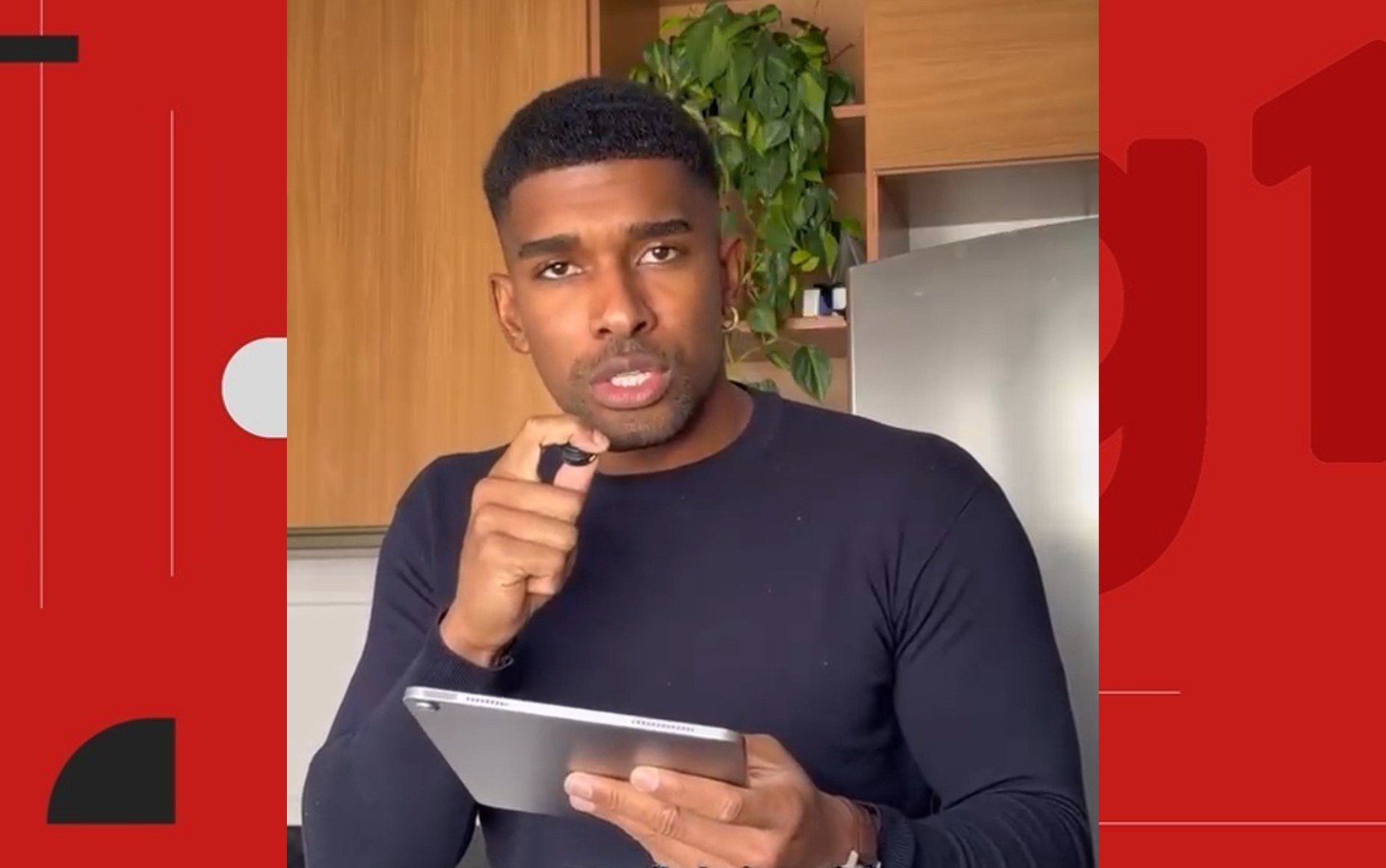
Digital influencer and model Ícaro Bonfim, originally from Bahia, has publicly shared his experience of being a victim of racial slurring in his São Paulo apartment building. Bonfim reported that while attempting to enter his building, a neighbor questioned his presence and asked intrusive questions like "What are you going to do in here?" and "Who are you?". He expressed his frustration, stating that despite achieving a decent living situation after enduring poor conditions, he still faces the need to justify his right to reside in a dignified place. To address the incident, Bonfim penned an ironic letter to the neighbor's apartment, which he then shared on social media. In the letter, he sarcastically congratulated the neighbor for taking on the role of doorman and advised him to consider that Black men approaching the building might be residents rather than intruders. The influencer also offered the neighbor a potential job opportunity within his own company. Following his social media post detailing the alleged racial slur and his response, Bonfim received public support from Brazilian singer Ivete Sangalo, who commented, "Process him!!". Efforts are underway to ascertain if Bonfim has filed a formal complaint with the police regarding the incident.
This incident highlights the persistent challenge of racial prejudice in urban environments, where individuals may face discrimination even in their own residences. The influencer's response, employing an ironic letter, demonstrates a strategy of public exposure and assertive communication to address perceived injustice. The involvement of a public figure like Ivete Sangalo amplifies the visibility of the issue, potentially influencing public discourse and encouraging accountability. From a systemic perspective, such events underscore the ongoing need for robust anti-discrimination measures and educational initiatives within residential communities to foster inclusivity and mutual respect, addressing the underlying biases that fuel such encounters.
AI-generated to prompt reflection — not editorial opinion, not advice, not a statement of fact. How this works.