BAIC Strike: Union Warns of Precedent at Chinese Automaker's SA Plant
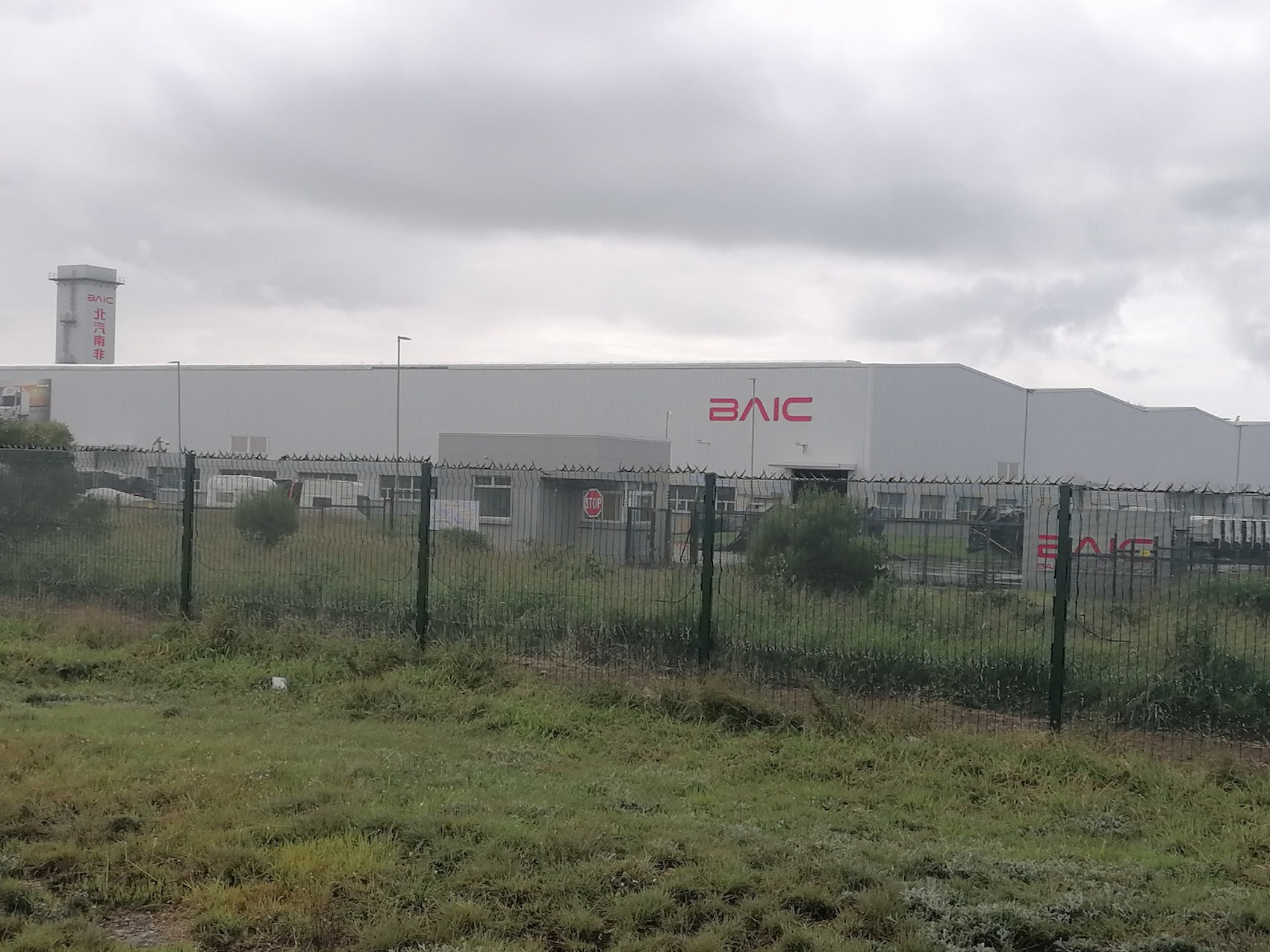
The National Union of Metalworkers of South Africa (NUMSA) has initiated a strike at the Chinese car manufacturer BAIC's plant located in Coega, Eastern Cape. NUMSA asserts that BAIC is offering wages significantly lower than the prevailing industry standards. The union views this strike as a crucial test case that could establish a precedent for labor relations with foreign-owned companies operating in South Africa. NUMSA's leadership has indicated that the dispute centers on BAIC's compensation packages, which they deem unacceptable and exploitative. The strike is expected to disrupt production at the Coega facility. The union is advocating for a wage increase that aligns with what other automotive manufacturers in the region offer their employees. This action by NUMSA highlights ongoing tensions between labor unions and multinational corporations regarding fair wages and working conditions. The outcome of this strike could influence future negotiations and labor practices within the South African automotive sector, particularly concerning investments from Chinese companies.
This labor dispute at BAIC's Coega plant raises important questions about the integration of foreign direct investment into South Africa's industrial landscape. The union's stance suggests a potential conflict between globalized production strategies, which often prioritize cost efficiencies, and the imperative for equitable labor practices within the host country. The precedent-setting nature of this strike could shape how international firms approach wage negotiations and labor relations in South Africa, potentially influencing the long-term sustainability of such investments. It also prompts consideration of whether existing regulatory frameworks adequately protect local labor standards against downward wage pressures from international competition, especially as South Africa seeks to attract further manufacturing investment in an increasingly competitive global market.
AI-generated to prompt reflection — not editorial opinion, not advice, not a statement of fact. How this works.