Baku's Micromobility Lanes Reach 66.6 Kilometers
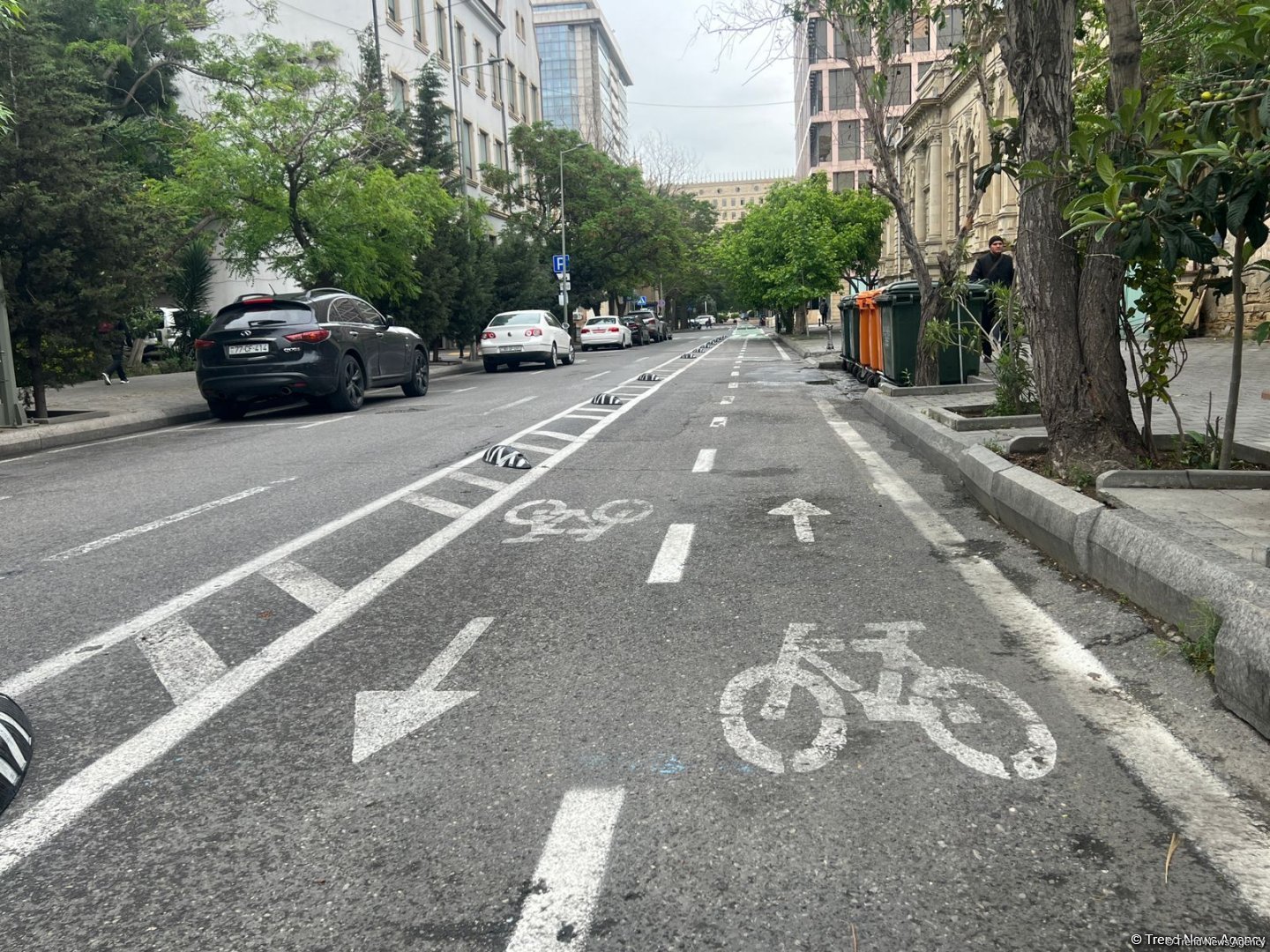
The total length of micromobility lanes in Baku has now reached 66.6 kilometers. This expansion aims to provide dedicated infrastructure for electric scooters, bicycles, and other personal mobility devices. The initiative is part of a broader effort to enhance urban transportation options and promote sustainable mobility within the city. These lanes are designed to improve safety for micromobility users by separating them from regular vehicle traffic. The development is expected to encourage more residents to adopt eco-friendly modes of transport for their daily commutes. Further extensions of the micromobility network are anticipated as the city continues to invest in its transportation infrastructure. This project aligns with global trends towards smarter and greener urban planning. The increased network length signifies a commitment to diversifying transportation choices available to Baku's citizens.
The expansion of Baku's micromobility lanes reflects a growing global trend in urban planning to integrate diverse transportation modes. By dedicating 66.6 km of infrastructure, the city is addressing the increasing demand for personal electric vehicles and bicycles, aiming to improve safety and encourage sustainable commuting. This strategic move can potentially reduce traffic congestion and carbon emissions, aligning with future urban mobility paradigms. The long-term success will depend on effective integration with public transit, user adoption rates, and ongoing maintenance of the infrastructure. Evaluating the network's impact on traffic flow, accident rates, and overall public satisfaction will be crucial for future policy decisions.
AI-generated to prompt reflection — not editorial opinion, not advice, not a statement of fact. How this works.