Balearic Courts Face Staffing Crisis as Housing Costs and Temporary Contracts Deter Workers
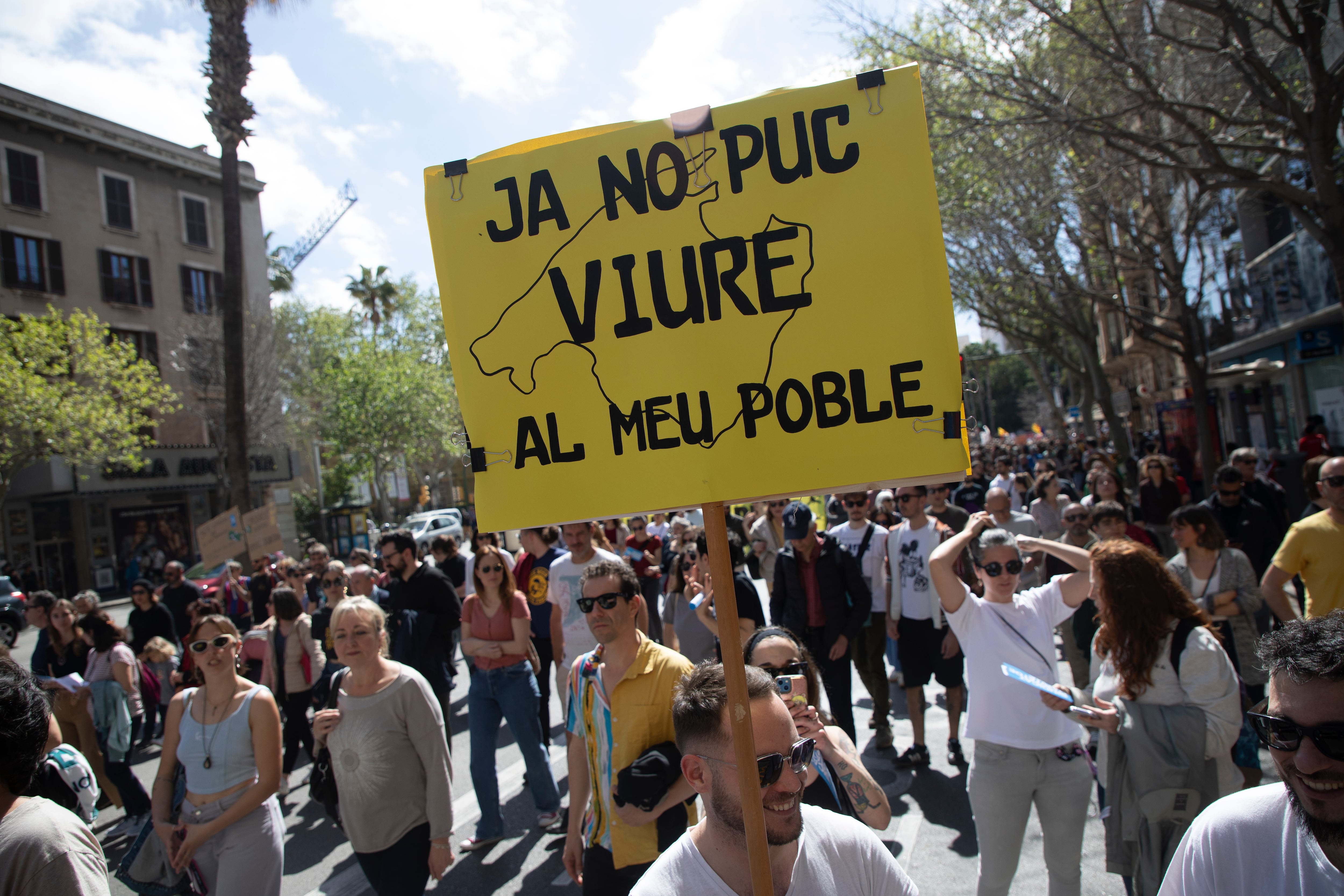
The court system in the Balearic Islands is experiencing a severe staffing crisis, with judicial officials resigning due to the prohibitive cost of housing. This situation is exacerbated by a high rate of temporary employment, which currently stands at 58%. The challenging working conditions and the inability to afford living in the region are leading many employees to seek employment elsewhere. The high cost of rent and property prices in the Balearics makes it impossible for many public servants to establish a stable life, even with a steady job. This has resulted in a continuous cycle of resignations and difficulty in attracting new talent to fill vacant positions. The judicial administration is struggling to maintain operational capacity as the workforce dwindles. The reliance on temporary contracts further contributes to instability, as these employees are less likely to commit long-term to a region with such high living expenses. The government faces pressure to address both the housing affordability crisis and the precarious nature of public sector employment in the islands.
The staffing challenges within the Balearic court system highlight a critical intersection of public sector employment, regional economic pressures, and housing affordability. The high percentage of temporary contracts (58%) suggests a systemic issue with long-term workforce planning and potentially a strategy to manage budget constraints, which inadvertently creates job insecurity. This insecurity, coupled with the extreme cost of living in the Balearic Islands, creates an unsustainable incentive structure for public servants. The analysis points to a potential governance failure in aligning public sector compensation and employment stability with the economic realities of the regions they serve. Addressing this requires a multi-faceted approach, considering not only judicial salaries but also broader housing policies and the long-term implications of a transient public workforce on the administration of justice.
AI-generated to prompt reflection — not editorial opinion, not advice, not a statement of fact. How this works.