Balen Shah Faces Growing Discontent Within His Own Party
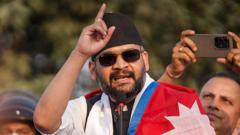
Despite significant popularity during the election campaign, Balen Shah is now facing increasing criticism from within his own party's parliamentary ranks. Less than four months after becoming Prime Minister, dissatisfaction among his party's MPs appears to be on the rise. The exact reasons for this growing discontent are not detailed in the provided text, but the shift from widespread support to internal party friction marks a notable change in his political standing. This internal dissent could pose challenges to his administration's stability and ability to implement its agenda. The situation highlights the complexities of maintaining party unity and public approval simultaneously, especially in the early stages of a premiership. Further developments will likely shed light on the specific grievances driving this internal opposition.
The emergence of internal party criticism shortly after a leader assumes office can signal a disconnect between electoral promises and the realities of governance. This dynamic often reflects differing expectations among party members regarding policy direction, resource allocation, or the pace of change. As a leader navigates the complexities of executive power, maintaining internal party cohesion becomes as crucial as managing public opinion. The situation may prompt a re-evaluation of communication strategies and stakeholder engagement within the party to address underlying concerns and realign objectives for the upcoming term.
AI-generated to prompt reflection — not editorial opinion, not advice, not a statement of fact. How this works.