Bali Accelerates Waste-to-Energy Plant to Bolster Tourism Sector
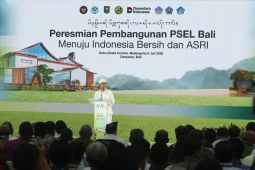
Indonesia is expediting the construction of the Greater Denpasar waste-to-energy plant, a move aimed at reinforcing Bali's vital tourism industry. The project is designed to manage the island's significant waste problem while simultaneously enhancing its appeal to visitors. Minister of Public Works and Housing, Basuki Hadimuljono, emphasized the project's dual purpose: addressing environmental concerns and supporting economic growth through tourism. The plant is expected to process a substantial amount of waste daily, converting it into energy. This initiative is part of a broader strategy to develop sustainable infrastructure in popular tourist destinations across Indonesia. By tackling waste management issues, Bali aims to improve its environmental quality, which is crucial for maintaining its reputation as a desirable travel destination. The government believes that a cleaner environment will directly translate to a more attractive and competitive tourism sector. The project's completion is anticipated to have a positive ripple effect on local communities and the national economy.
The Indonesian government's push for a waste-to-energy plant in Bali highlights a common challenge faced by popular tourist destinations: balancing economic reliance on tourism with environmental sustainability. This project attempts to address waste management issues, a critical factor for maintaining Bali's aesthetic and ecological appeal, while also generating energy. The strategic linkage between environmental infrastructure and tourism revenue suggests a recognition of the interconnectedness of these sectors. Future success will likely depend on the plant's operational efficiency, its long-term environmental impact assessment, and the community's acceptance, particularly concerning emissions and waste processing capabilities. This initiative could serve as a model for other regions grappling with similar pressures, demonstrating how infrastructure investment can potentially mitigate environmental degradation while supporting economic development in the face of growing global tourism demands and increasing climate consciousness.
AI-generated to prompt reflection — not editorial opinion, not advice, not a statement of fact. How this works.