Bali Faces Rabies Surge: Is Dog Meat Consumption a Contributing Factor?
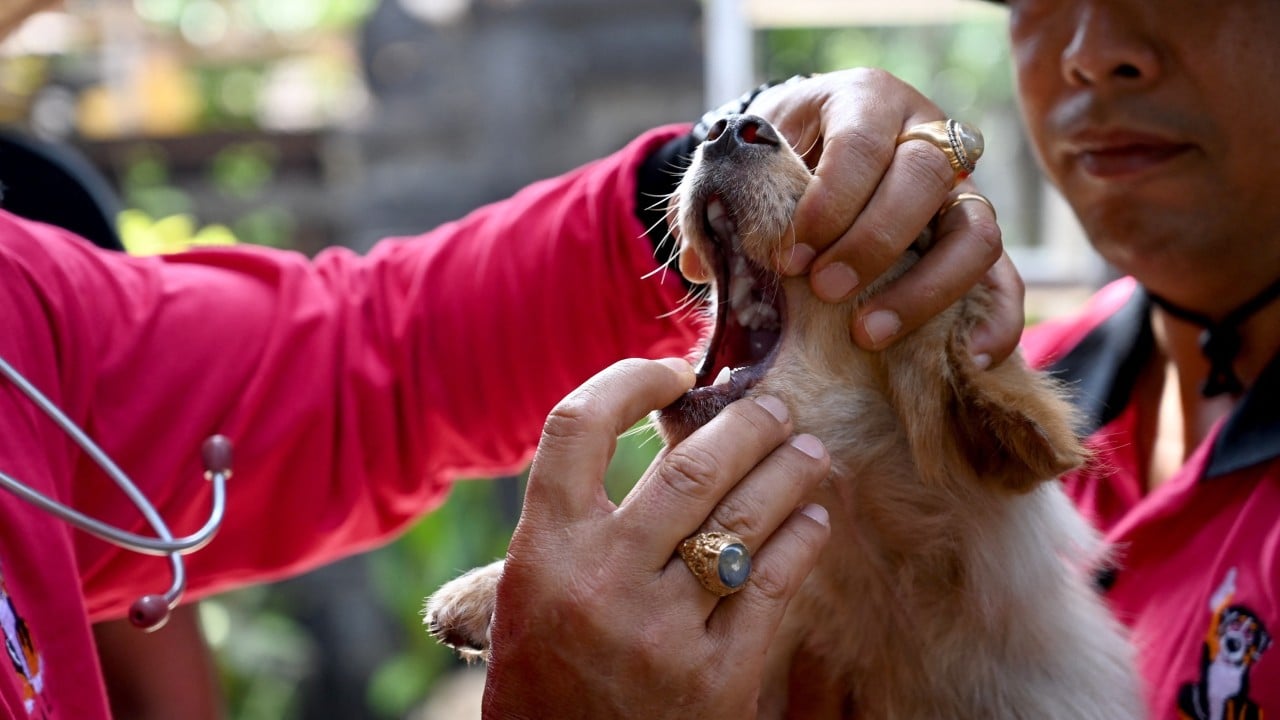
Bali is currently experiencing a significant surge in rabies cases, with five fatalities reported on the Indonesian resort island as of May. In one incident in western Bali, a 38-year-old housewife died from rabies after being bitten by a stray cat. Another incident in the Jembrana regency saw a pet dog, later confirmed to be rabid, attack three people, including two children. Fortunately, all three survived due to prompt post-exposure vaccination. This outbreak has raised concerns about potential contributing factors, including the practice of consuming dog meat. While not explicitly confirmed as the cause, the presence of stray animals and potential consumption of dog meat are being examined as possible elements exacerbating the spread of the virus. Local authorities are grappling with controlling the outbreak and implementing measures to prevent further transmission.
The rabies outbreak in Bali highlights the complex interplay between animal health, public health, and cultural practices. The surge in cases necessitates a comprehensive approach that addresses not only immediate medical responses like post-exposure prophylaxis but also the underlying factors contributing to the virus's spread. Examining the role of animal populations, including strays and potentially consumed animals, is crucial for effective long-term control strategies. Public health initiatives should focus on vaccination programs for both domestic and stray animals, alongside community education regarding safe interactions with animals and the importance of immediate medical attention after bites or scratches. Addressing potential links to the dog meat trade requires careful consideration of public health risks versus cultural practices, aiming for solutions that prioritize human safety and animal welfare through evidence-based interventions and policy.
AI-generated to prompt reflection — not editorial opinion, not advice, not a statement of fact. How this works.