Bali Protestors Criticize Government Policies, Stage Theatrical 'Kulkul' Drum Performance
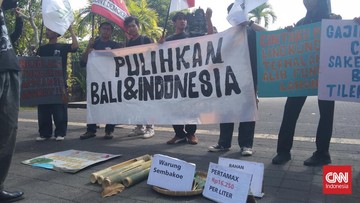
Protestors in Bali have demonstrated against government policies they deem not to be in the public's interest. The demonstration included a theatrical element where participants struck kulkul, traditional Balinese alarm drums. The action was a clear expression of public dissatisfaction with current government measures. The kulkul performance served as a symbolic call to attention and a method of conveying their grievances. This event highlights ongoing tensions between the public and governing bodies regarding policy direction. The protestors aim to draw attention to their concerns and advocate for policies that better serve the populace. The use of kulkul is a culturally significant way to amplify their message. The demonstration underscores the importance of public discourse on policy impact. It signifies a desire for more responsive governance.
This demonstration reflects a common dynamic where citizens express dissent against policies perceived as detrimental to their welfare. The use of kulkul, a traditional signaling device, amplifies the protest's visibility and cultural resonance. Such actions often arise from perceived governance failures or a lack of inclusive policy-making processes. Moving forward, effective governance will require robust mechanisms for public consultation and transparent policy evaluation to address citizen concerns proactively, thereby mitigating the need for public demonstrations. This event prompts consideration of how policy frameworks can better align with societal needs in the digital age, fostering trust and shared progress.
AI-generated to prompt reflection — not editorial opinion, not advice, not a statement of fact. How this works.