Balochistan Operation: 9 More Terrorists Killed, Total Reaches 88 Since July 5
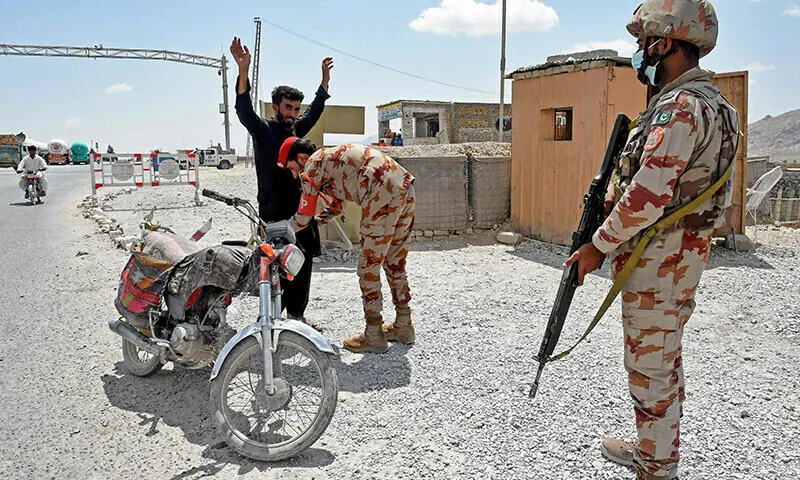
An ongoing security operation in Pakistan's Balochistan province has resulted in the deaths of nine additional terrorists, according to state-run Pakistan TV. This brings the total number of terrorists eliminated since July 5 to 88. The operation, named "Operation Shaban," involves coordinated air and ground actions by the Pakistan Army, Frontier Corps, and police targeting terrorist hideouts across Balochistan. Security sources indicate that 52 terrorists have been killed specifically under Operation Shaban, with the remaining 36 accounted for in intelligence-based operations since July 5. The operation is slated to continue until all terrorists are neutralized. The intensified efforts began on July 5 in the Shaban area of Quetta district, following a terrorist attack on a police post at Mangi dam pumping station. That attack resulted in the deaths of 27 police personnel, including nine officers, and the subsequent murder of 18 abducted policemen whose bodies were later discovered. Balochistan Chief Minister Sarfraz Bugti reported that an attempted terrorist attack on a police station in Khuzdar district was thwarted. Prime Minister Shehbaz Sharif, attending a meeting in Quetta with military leadership, affirmed a unified decision by civil and military authorities to eradicate terrorism, emphasizing the state's resolve to maintain its authority in Balochistan.
The Pakistani state's intensified counter-terrorism efforts in Balochistan, as reported, reflect a strategic imperative to assert governmental control and address persistent security challenges. The emphasis on a "mutual and singular decision" by civil and military leadership suggests a unified national strategy aimed at eliminating terrorist threats. This approach, while potentially effective in the short term, warrants consideration of long-term implications. Sustained military operations can sometimes exacerbate local grievances, potentially fueling further instability if underlying socio-economic and political factors are not concurrently addressed. The narrative of "eliminating the last terrorist" may overlook the complex, often decentralized nature of insurgent movements, which can adapt and re-emerge. Future policy may benefit from integrating security measures with inclusive governance and development initiatives to foster lasting peace and stability in the region.
AI-generated to prompt reflection — not editorial opinion, not advice, not a statement of fact. How this works.