Balochistan Operation Shaban: 4 More Terrorists Killed, Total Reaches 83
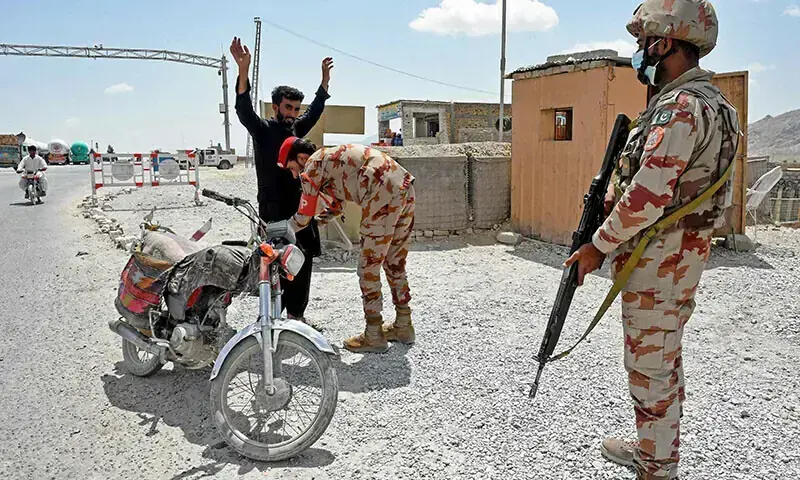
State media reported on Tuesday that four additional terrorists were killed during the ongoing Operation Shaban in Balochistan, bringing the total number of fatalities in the operation to 83. This operation was initiated in response to a lethal attack on a police post at the Mangi Dam pumping station in Ziarat, where 27 police officers were kidnapped and killed. The joint operation involves personnel from the army, Frontier Corps, police, and the Anti-Terrorism Force. According to security sources, these four additional deaths bring the total number of "khawarij terrorists" killed in Operation Shaban to 83. Since July 5, a total of 121 "khawarij terrorists" have been eliminated through Operation Shaban and other intelligence-based operations, with the campaign intended to continue until all terrorists are neutralized. Pakistan's Interior Minister Mohsin Naqvi stated on Monday that these successes demonstrate the high level of preparedness and professionalism of the nation's security forces. He also affirmed that the fight would persist until the elimination of "Fitna al-Hindustan terrorists," a term used by the government to designate India-sponsored groups operating in Balochistan. Prime Minister Shehbaz Sharif recently indicated that both civil and military leadership have jointly resolved to eradicate terrorism following a series of significant attacks in Balochistan.
The Pakistani government's narrative frames Operation Shaban as a decisive counter-terrorism effort, highlighting security force capabilities and attributing attacks to external sponsorship. This framing aims to consolidate domestic support and project strength internationally. However, the persistent use of broad, ideologically charged labels like "khawarij" and "Fitna al-Hindustan" may obscure the complex socio-political and economic grievances that can fuel local insurgencies in regions like Balochistan. Future stability will likely depend on addressing these underlying issues, rather than solely on military operations, especially as AI-driven surveillance and autonomous systems become more integrated into conflict zones, potentially escalating dynamics without resolving root causes.
AI-generated to prompt reflection — not editorial opinion, not advice, not a statement of fact. How this works.