Balochistan Orders Inquiry into Sorange Coal Mine Disaster Killing 34 Miners
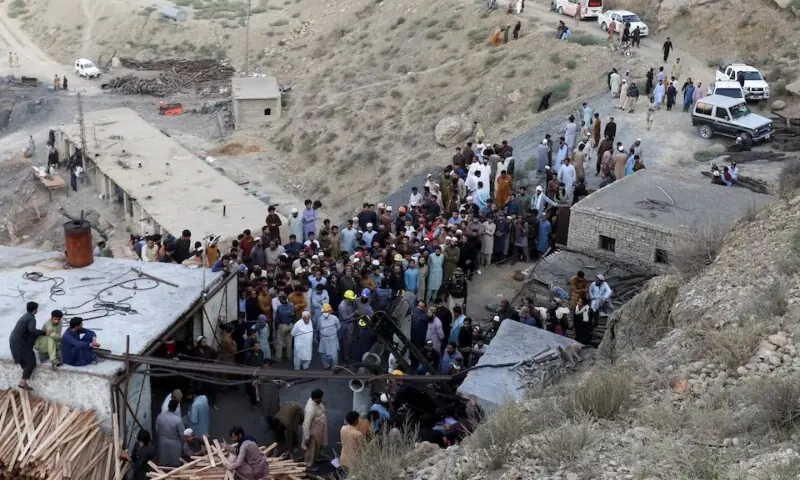
The Balochistan government has launched a high-level inquiry into a deadly coal mine disaster in Sorange that resulted in the deaths of 34 miners. The Chief Minister’s Inspection Team (CMIT), led by Chairman Bashir Ahmed Bangulzai, will conduct an on-site investigation into the July 30 accident. The CMIT's mandate includes identifying the root causes of the tragedy, evaluating the performance of responsible authorities, assigning accountability for any negligence, and recommending measures to prevent future occurrences. Findings and recommendations are to be submitted to the Chief Minister within two weeks. Concurrently, the mines and minerals department has initiated its own inquiry, leading to the sealing of four coal mines, including the two directly involved in the incident. The Sorange disaster, one of the deadliest in recent Balochistan history, trapped the miners at depths of 3,000 to 4,000 feet. All 34 victims were from the Shangla district of Khyber Pakhtunkhwa, with many originating from Mian Kalay town, which has a history of mining tragedies. The deceased miners were young, aged between 17 and 25, and often closely related, with some being orphans whose fathers also perished in mining accidents. This incident has reignited concerns regarding mine safety standards, regulatory oversight, and the enforcement of safety protocols within Balochistan's coal mining sector. The investigation's outcomes are expected to inform future reforms aimed at enhancing worker safety.
The Sorange coal mine disaster underscores systemic challenges in occupational safety within Balochistan's resource extraction sector. The government's ordered inquiries, while necessary for accountability, must address the fundamental gap between regulatory frameworks and on-the-ground enforcement. The high fatality rate, particularly among young workers from specific regions, suggests a pattern of risk concentration and potentially inadequate safety investments by mine operators. Future reforms should focus on incentivizing robust safety management systems, enhancing independent oversight, and ensuring transparent reporting of safety compliance, moving beyond reactive investigations to proactive risk mitigation to align with evolving global standards for worker protection in hazardous industries.
AI-generated to prompt reflection — not editorial opinion, not advice, not a statement of fact. How this works.
