Balochistan Restructures Administration, Splits Quetta District
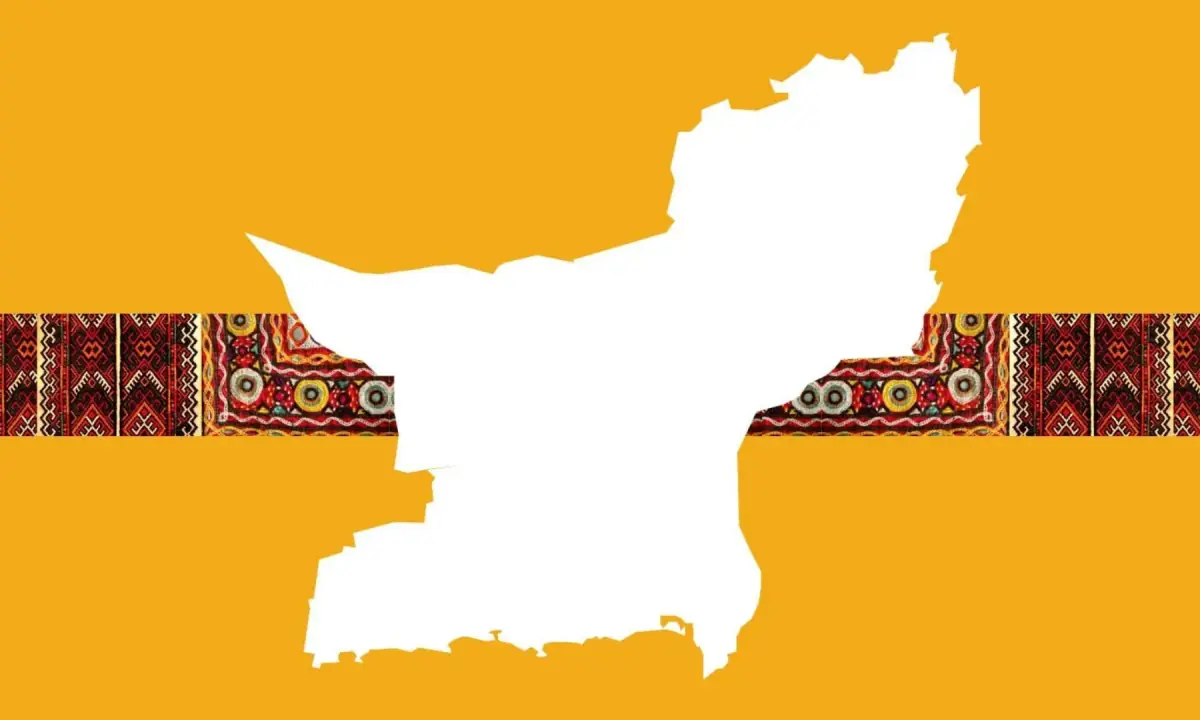
The Balochistan provincial government has initiated a significant administrative overhaul, leading to the creation of new administrative units and the realignment of existing boundaries. This restructuring, announced on Saturday, July 8, through a notification from the Revenue Department, increases the province's total divisions from eight to 11 and its districts from 36 to 41. A key change is the division of Quetta district into East Quetta and West Quetta, separated by the railway line. East Quetta now encompasses Saddar, City, and Sariab sub-divisions, while West Quetta includes Kuchlak, and the newly established Brewery and Panjpai sub-divisions, along with a new Brewery tehsil. Mastung district has been moved from Kalat division to Quetta division, which now comprises three districts. This move, along with other changes, has drawn opposition from tribal leaders and politicians like Nawabzada Haji Lashkari Raisani, who argue it violates the 1948 accession agreement. The former Kalat division has been split into Khuzdar and Lasbela divisions. Khuzdar division now includes Khuzdar, Kalat, Surab, and Wadh districts, with a new Wadh district formed from parts of Khuzdar. The district previously known as Shaheed Sikandarabad has been renamed Surab. Several new sub-divisions and tehsils have been created across various districts, including in Khuzdar, Gwadar, Jaffarabad, Sohbatpur, Zhob, Sherani, Barshore, Chagai, Kohlu, and Barkhan. Some administrative units have also been renamed or reclassified, such as the spelling change for Makran to Makuran and Sibi to Sevi. Additionally, districts like Upper and Lower Dera Bugti have been renamed North and South Dera Bugti respectively, and several districts have been moved between divisions.
This administrative restructuring in Balochistan, involving the creation of new districts and sub-divisions, aims to improve governance and service delivery by bringing administrative units closer to the populace. However, the significant redistribution of territories and the renaming of districts may also reflect underlying political dynamics and attempts to consolidate or alter regional influence. The opposition from local leaders, citing historical agreements, highlights potential friction points and the complex interplay between central government initiatives and regional autonomy. Future assessments should consider the impact on local governance efficiency, resource allocation, and the long-term political stability of the region as these changes are implemented and their effects become apparent over the next decade.
AI-generated to prompt reflection — not editorial opinion, not advice, not a statement of fact. How this works.