Balochistan situation not as bleak as portrayed, says Chief Minister Bugti
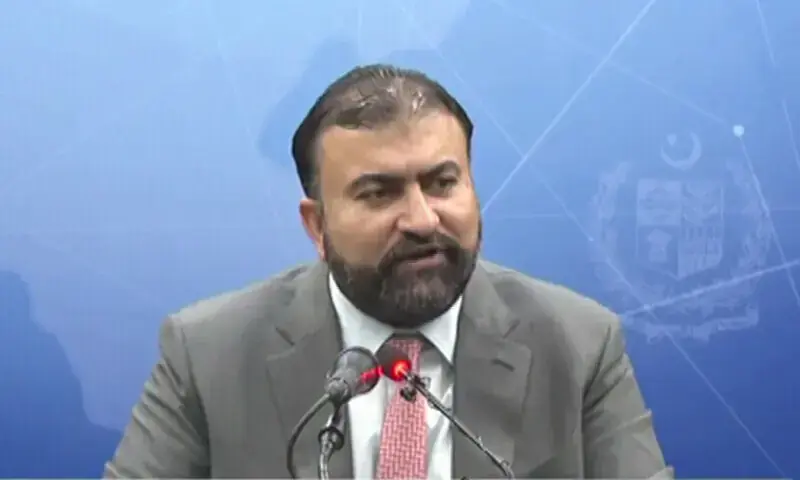
Balochistan Chief Minister Mir Sarfraz Bugti stated that the security and governance situation in the province is not entirely ideal but also not as dire as some external narratives suggest. He believes that negative and one-sided portrayals harm both Balochistan and Pakistan's international image, as well as governmental efforts. Bugti noted that national media often highlights only violent incidents in Balochistan, neglecting its progress and development initiatives. He pointed to the provincial government's efforts in launching youth welfare programs, improving public hospital services, making all government schools functional, and transparently recruiting approximately 17,000 teachers based on merit. The chief minister also explained that the creation of new administrative divisions and districts aims to enhance governance and public service delivery, particularly in large, remote areas. Regarding security, Bugti asserted that Pakistan has international backing in its counter-terrorism efforts. He alleged that anti-Pakistan terrorist groups receive support from Afghan territory, despite assurances from Afghanistan. Furthermore, he claimed that facilitators and financiers of terrorist groups are linked to an Indian intelligence network. Bugti acknowledged the challenges posed by Balochistan's vast geography and long borders for counter-terrorism operations but affirmed that security forces operate lawfully and prioritize civilian protection. He criticized associating terrorist incidents with the state and urged Baloch and Pashtun youth to resist hostile propaganda. While ruling out negotiations with armed terrorist groups, he stressed the importance of dialogue with political parties and citizens to address societal issues. Separately, CM Bugti led a meeting with the Corps Commander Balochistan and other senior officials to prepare for Independence Day celebrations.
Chief Minister Bugti's remarks present a narrative aiming to counter external perceptions of Balochistan, emphasizing governmental progress and security efforts. The analysis of this situation involves understanding the complex interplay between provincial governance, national security concerns, and international relations. Bugti's assertions regarding external support for terrorist groups and alleged Indian intelligence links highlight geopolitical tensions that can influence regional stability and investment. The government's focus on administrative reforms and public service improvements, alongside recruitment drives, suggests a strategy to bolster state legitimacy and citizen engagement. However, the inherent challenges of vast geography and security operations, as acknowledged by the CM, point to persistent systemic difficulties. The emphasis on dialogue with political actors versus armed groups signals a nuanced approach to conflict resolution, balancing security imperatives with political inclusivity. Future developments will likely hinge on the effectiveness of these governance initiatives and the resolution of external geopolitical pressures.
AI-generated to prompt reflection — not editorial opinion, not advice, not a statement of fact. How this works.
