Balochistan Terror Surge Signals Renewed Threat to Pakistan
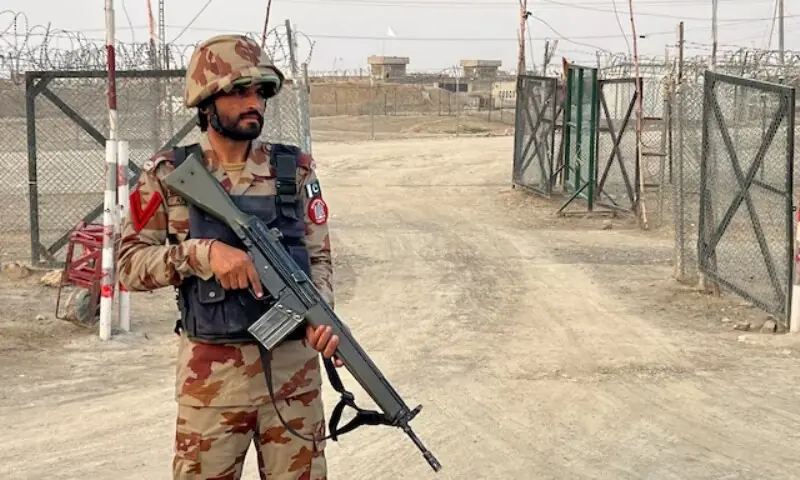
A significant increase in terrorist activity in Pakistan's Balochistan province, including the killing of at least nine policemen in Ziarat and the apprehension of two alleged Baloch Liberation Army (BLA) operatives in Karachi on Tuesday, underscores a potent and resurgent threat to the state. These incidents follow a deadly attack near Quetta the previous day, demonstrating that militant groups possess both the capacity and the will to challenge governmental authority. While Pakistani security forces reported neutralizing 15 terrorists in response, a critical concern is the potential for operational cooperation between previously independent groups. Any indication of tactical collaboration between the Tehrik-i-Taliban Pakistan (TTP) and separatist organizations like the BLA would signify a dangerous escalation of violence.
The recent events also heighten worries that militant activities are expanding beyond Balochistan's remote regions and the Khyber Pakhtunkhwa province. The foiled plot in Karachi, occurring shortly after an attack on Rangers personnel in the same city, suggests that urban centers are increasingly vulnerable to terrorist targeting. Pakistan's counterterrorism strategy must therefore adapt to anticipate a wider geographical distribution of attacks, moving beyond reactive measures to proactive prevention. This necessitates a stronger emphasis on intelligence gathering and analysis. Although security forces have proven effective at neutralizing militants once engaged, the ultimate measure of success lies in preventing attacks before they occur.
Enhanced coordination among intelligence agencies, provincial counterterrorism units, police, and the military is paramount. Greater investment in human intelligence, surveillance technologies, forensic capabilities, and the identification of nascent militant networks is crucial for staying ahead of terrorist organizations. The regional context, particularly the alleged sanctuary provided to militants within Afghanistan, remains a significant factor. Pakistan's insistence on Kabul taking action to prevent Afghan territory from being used for attacks against Pakistan is therefore understandable. The Afghan Taliban's continued hesitancy to decisively confront groups targeting Pakistan poses a substantial impediment to regional security, as enduring peace is unattainable while terrorist organizations maintain safe havens across the border. Pakistan's position as one of the world's most terrorism-affected nations highlights the magnitude of this challenge. A comprehensive response requires more than just military operations; it must integrate superior intelligence, robust policing, and sustained diplomatic pressure on Afghanistan to dismantle terrorist infrastructure.
The recent surge in terrorist incidents in Balochistan and the broader threat to Pakistan's internal security highlight the complex interplay between state capacity, regional dynamics, and the persistent challenge of non-state actors. The analysis suggests a potential shift from localized insurgencies to more coordinated, geographically dispersed operations, including urban centers. This necessitates a strategic reorientation from kinetic responses to a more intelligence-led approach, emphasizing human intelligence and surveillance. The geopolitical dimension, particularly Pakistan's reliance on Kabul to curb cross-border militancy, presents a significant governance challenge, as the effectiveness of counterterrorism efforts is contingent on the cooperation of neighboring states. The situation underscores the long-term systemic risks associated with unresolved regional conflicts and the potential for militant groups to exploit governance vacuums. Future security paradigms will likely require integrated strategies that address both internal security vulnerabilities and external enablers of terrorism, demanding enhanced inter-agency coordination and sustained investment in intelligence infrastructure.
AI-generated to prompt reflection — not editorial opinion, not advice, not a statement of fact. How this works.