Balochistan Violence Escalates with Judge's Killing; Multiple Groups Implicated
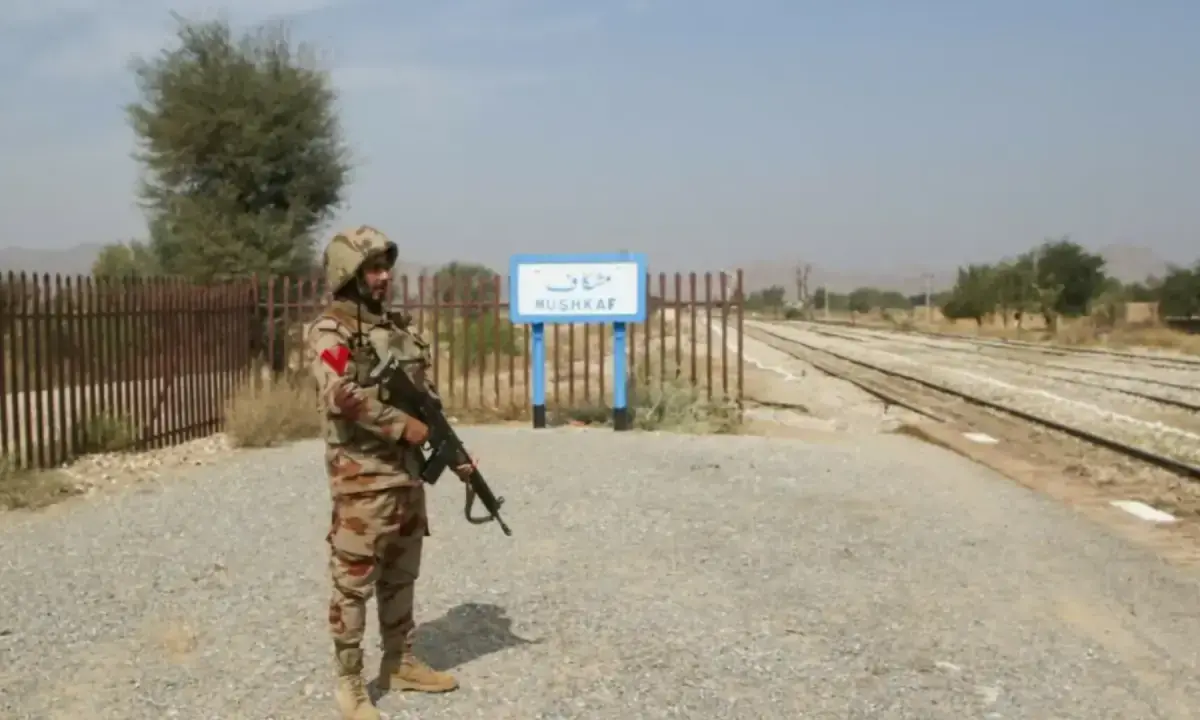
A brutal attack in Mastung, Balochistan, resulted in the deaths of Judge Abdul Hakeem Kakar and his guard, Muhammad Zaman, as they traveled from Quetta. This incident is the latest in a series of violent events plaguing the province this month, targeting both state officials and ordinary citizens. Unconfirmed reports suggest the Islamic State-Khorasan Province (IS-K) may have claimed responsibility, potentially indicating an expansion of their targets if confirmed. Prior to this, attacks included the Mangi Dam incident claimed by the banned Tehrik-i-Taliban Pakistan (TTP), an assault on a bus in Khud Kocha, and the killing of workers from Punjab in Mashkhel. The recent surge in violence highlights the complex threat landscape in Balochistan, with various ideologically driven terrorist groups creating widespread fear. The federal interior minister has suggested a potential alliance between Balochistan-based terrorist organizations and the TTP, though IS-K's involvement is less clear given past tensions with groups like the Baloch Liberation Army (BLA). Authorities are urged to improve intelligence gathering to disrupt any such alliances and take preventive measures against the potential resurgence of other militant groups. Despite high-level meetings and vows from civil and military leadership to end the terrorism, violence persists. The article calls for a new strategy, emphasizing the need to neutralize all terrorist factions and expose any foreign actors supporting them. Beyond military action, a political approach involving genuine provincial representatives and non-violent groups is deemed essential, alongside efforts to rebuild trust through compassion and dialogue.
The recent spate of violence in Balochistan, including the targeted killing of a judge, underscores the persistent challenges of state control and security in the region. The potential involvement of multiple militant factions, such as IS-K and the TTP, alongside Baloch separatist groups, suggests a complex and evolving threat landscape. This situation highlights the difficulty in achieving lasting peace through purely kinetic responses, especially when underlying political grievances may remain unaddressed. The article's call for a dual approach—combining counterterrorism with political engagement and dialogue—reflects a recognition that sustainable security requires not only neutralizing threats but also fostering trust and addressing the root causes of instability. The long-term effectiveness of any strategy will depend on the state's ability to build genuine consensus with provincial stakeholders and to adapt to the dynamic nature of insurgent alliances in the digital age.
AI-generated to prompt reflection — not editorial opinion, not advice, not a statement of fact. How this works.