Bangladesh and India agree to reset bilateral relations
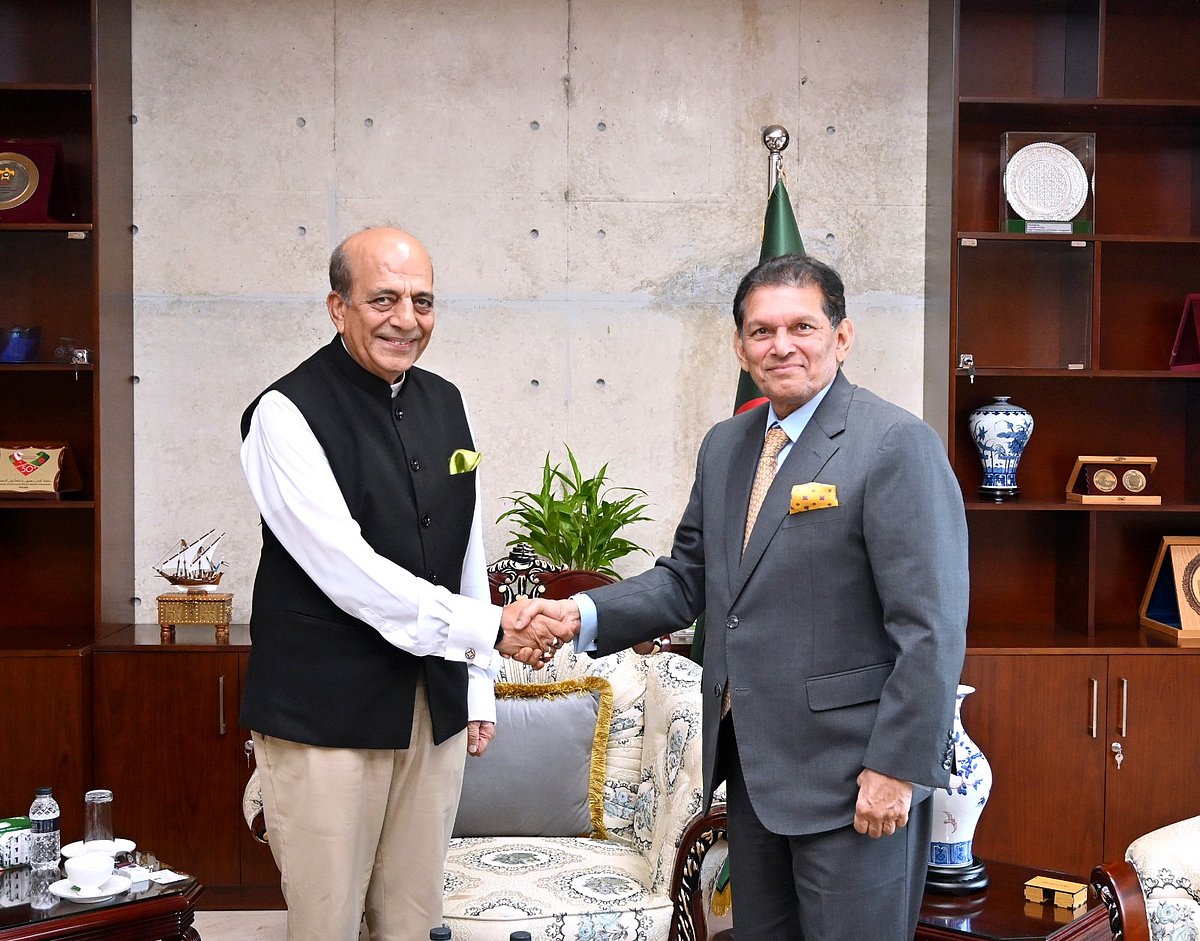
Bangladesh and India have reached a consensus to reset their bilateral relationship, moving past recent discomforts, according to Foreign Minister Khalilur Rahman. He made this statement after a meeting with the new Indian High Commissioner to Dhaka, Dinesh K. Tripathi. The meeting, held at the Foreign Ministry on Wednesday afternoon, was the first between Rahman and Tripathi since the latter assumed his diplomatic role. Minister of State for Foreign Affairs Shama Obhaid Islam was also present. Minister Rahman informed reporters that while some irritations exist between the two close neighbors, both sides recognize the need to resolve them. He emphasized that both he and High Commissioner Tripathi are aware of these issues and share a mutual understanding for a reset, aiming to foster a relationship based on mutual interests and sovereign equality. The Foreign Minister also addressed questions about Prime Minister Tareque Rahman's potential visit to India for the BRICS summit's outreach program, stating that the invitation is under review and a decision will be communicated promptly. When asked about discussions concerning the issue of ousted Prime Minister Sheikh Hasina, who is currently in India, Rahman indicated that all existing matters would be discussed in the future. High Commissioner Tripathi expressed optimism that Prime Minister Tareque Rahman's visit would lead to significant progress on key bilateral issues. He highlighted that the foundation of Bangladesh-India relations lies in the mutual interests and people-to-people connections of both nations, anticipating closer engagement in the near future. Tripathi described the meeting as very positive and constructive, conducted in a cordial atmosphere, covering a range of topics including history, culture, and even cricket. Regarding the renewal of the Ganga water-sharing treaty, he noted that working groups from both countries are actively engaged and maintaining communication, expressing confidence that all issues can be resolved through mutual understanding. He also pointed to the resumption of visa services as a crucial step for the welfare of both populations, which has been met with great satisfaction.
The diplomatic exchange between Bangladesh and India signals a strategic recalibration aimed at overcoming bilateral friction. The emphasis on "resetting" relations and addressing "irritations" suggests a recognition by both governments of the need to manage underlying tensions that could impede cooperation. The focus on "mutual interests" and "sovereign equality" indicates an attempt to establish a more balanced partnership, moving away from potential perceptions of asymmetry. The mention of reviewing the Prime Minister's potential visit to India for the BRICS summit highlights the ongoing diplomatic maneuvering and the importance of high-level engagement in shaping future interactions. The discussion on water-sharing and visa services points to the practical, people-centric issues that underpin the bilateral relationship, where progress can foster goodwill. The aspiration for closer engagement and a foundation built on people-to-people connections suggests a long-term vision for a more integrated regional dynamic, contingent on sustained political will and effective implementation of agreed-upon frameworks.
AI-generated to prompt reflection — not editorial opinion, not advice, not a statement of fact. How this works.