Bangladesh Appoints 265 New Deputy and Assistant Attorneys General, Canceling Previous Appointments
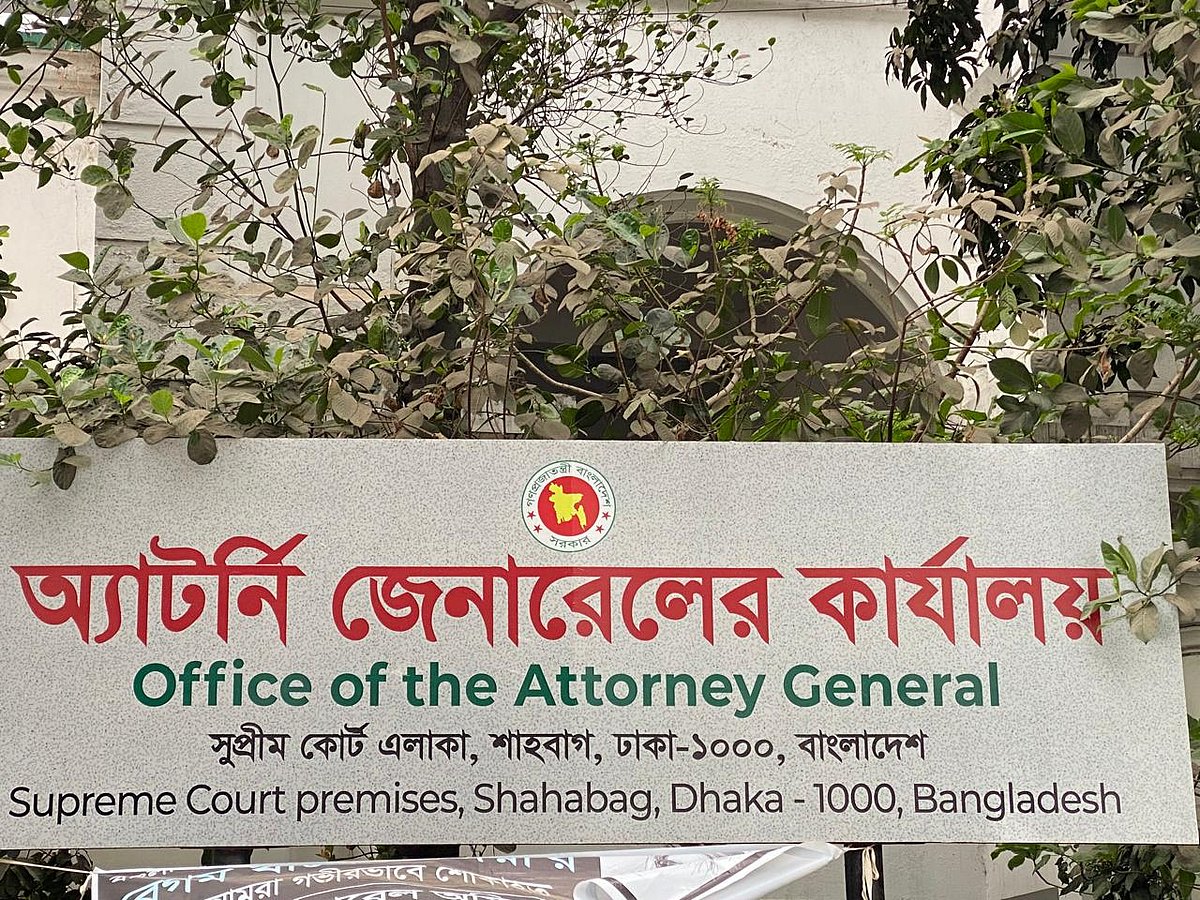
Bangladesh has appointed 86 lawyers as Deputy Attorneys General (DAG) and 179 lawyers as Assistant Attorneys General (AAG) to the Supreme Court. This significant reshuffling involves the cancellation of all prior appointment orders for DAGs and AAGs. The appointments were announced by the Law Ministry's Solicitor Wing (GP-PP Branch) through separate notifications on Thursday. In total, 265 law officers have been appointed to these positions, marking the first such appointments since the current government took office. The notifications stated that these new appointments were made by the President under the powers granted by the Bangladesh Law Officers Order-1972, effective until further notice. This action follows a previous report on March 12 highlighting concerns about the unusually high number of DAGs and AAGs previously serving, with over 103 DAGs and 230 AAGs reported at the time, leading to questions about the necessity of such a large legal team. The new Attorney General, Md. Ruhul Quddus Kajal, appointed on March 25, had initiated a performance evaluation test for existing DAGs and AAGs shortly after taking office. Following this evaluation, several DAGs and AAGs resigned. Prior to these new appointments, the Attorney General's office had 93 DAGs and 213 AAGs, many of whom were appointed during the previous interim government. Some of these previously appointed officers have been reappointed, while others were not selected.
The mass cancellation and reappointment of Deputy and Assistant Attorneys General in Bangladesh suggests a strategic realignment of the legal apparatus, potentially to align with the new administration's priorities or to address perceived inefficiencies. The preceding report questioning the necessity of a large number of law officers, coupled with the subsequent performance evaluation and resignations, indicates a governance review process. This move, while potentially aimed at enhancing legal service delivery and accountability, also presents a significant administrative undertaking. Future effectiveness will depend on the selection criteria, the performance of the newly appointed officers, and the clarity of their mandates within the broader justice system. The process highlights the dynamic nature of public appointments and the ongoing efforts to optimize state legal functions.
AI-generated to prompt reflection — not editorial opinion, not advice, not a statement of fact. How this works.