Bangladesh Bank Issues Guidelines for Duty-Free Imports Under New Free Trade Zone Policy
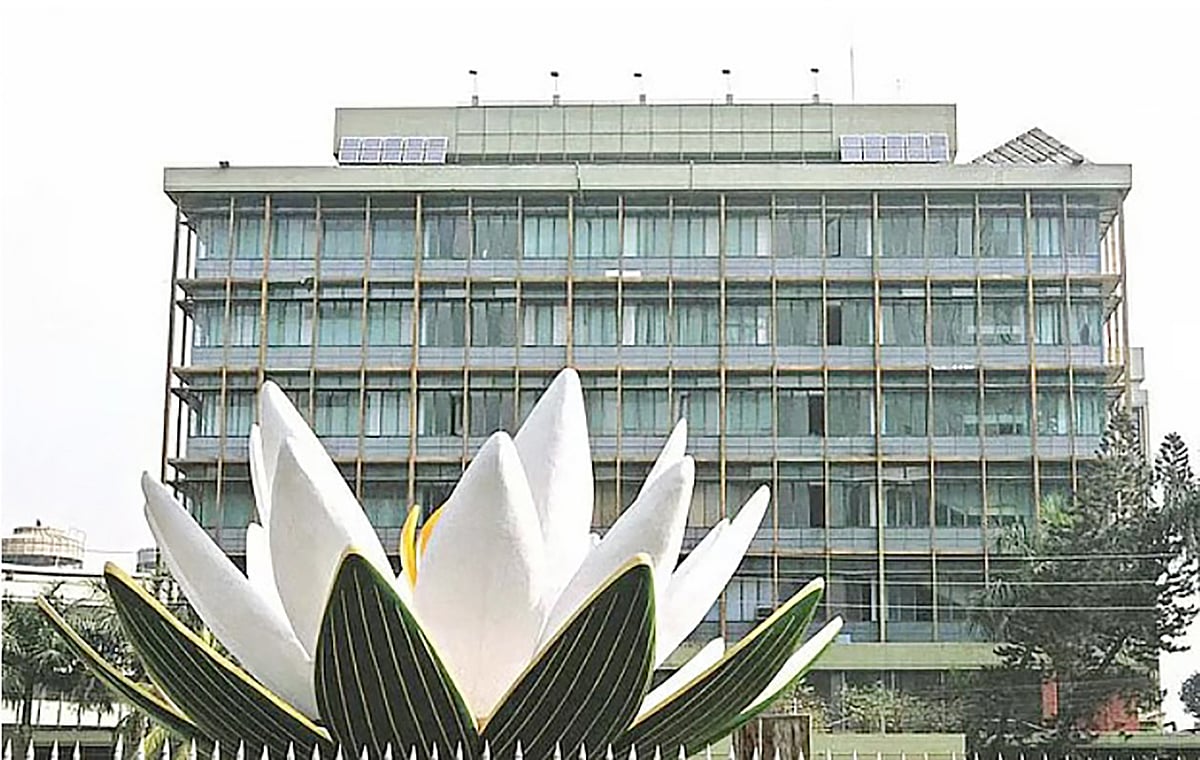
The Bangladesh Bank has issued new directives on duty-free imports for traders, particularly concerning raw materials and components, under the recently announced Free Trade Zone (FTZ) policy. This initiative, part of the national budget for fiscal year 2026-27, aims to attract both domestic and foreign investment by simplifying trade procedures and enhancing risk management for banks. The guidelines clarify how businesses can import goods without Letters of Credit (LCs) and leverage the FTZ framework. Authorized Dealer (AD) banks and Offshore Banking Units (OBUs) will facilitate these transactions under existing foreign exchange regulations. Eligible importers include manufacturing and export-oriented enterprises, authorized trading companies, and logistics providers operating within the FTZs. The new structure allows for shipment-based imports where ownership of raw materials remains with foreign suppliers until they are used in production or sold, with banks not counting these as inventory or assuming credit risk. Imports from FTZs by domestic buyers will be treated as imports, while sales by FTZ entities will be considered exports for the seller and imports for the buyer, requiring adherence to XP and IMP processes. All financial transactions must be conducted in freely convertible foreign currency. Goods imported on a shipment basis can be stored in FTZs for up to 48 to 60 months, while deferred payment imports, including buyer's and supplier's credit, are limited to 270 days. AD banks can provide financing facilities similar to specialized zones, and OBUs can offer financing in foreign currency according to regulations. This framework enables businesses within FTZs to import raw materials, parts, and finished goods without paying duties, facilitating storage, processing, assembly, repackaging, relabeling, and re-exportation. Products can also be supplied to the domestic market upon payment of applicable duties and taxes. Industry stakeholders believe the FTZ will strengthen export-oriented and local manufacturing sectors, improve supply chain efficiency, reduce lead times for exports, and enhance global competitiveness. The Bangladesh Economic Zones Authority (BEZA) is developing a modern FTZ in Anwara, Chittagong, expected to boost trade, investment, and exports, potentially creating a global hub in Bangladesh.
The introduction of Free Trade Zones (FTZs) and associated duty-free import policies by Bangladesh aims to enhance trade competitiveness and attract investment. By simplifying import procedures and offering extended storage periods, the policy seeks to reduce operational costs and lead times for manufacturers, particularly those in export-oriented industries. This system incentivizes businesses to utilize FTZs for raw material sourcing and processing, potentially improving supply chain resilience and global market positioning. However, the success of this initiative will depend on effective implementation, robust regulatory oversight to prevent misuse, and the development of adequate infrastructure within the FTZs. The policy's long-term impact will be shaped by how it balances domestic industrial support with international trade facilitation, and whether it can foster sustainable growth without creating undue market distortions or reliance on external supply chains.
AI-generated to prompt reflection — not editorial opinion, not advice, not a statement of fact. How this works.