Bangladesh Banks' Unified QR Code Sees Moderate Adoption Amidst Challenges
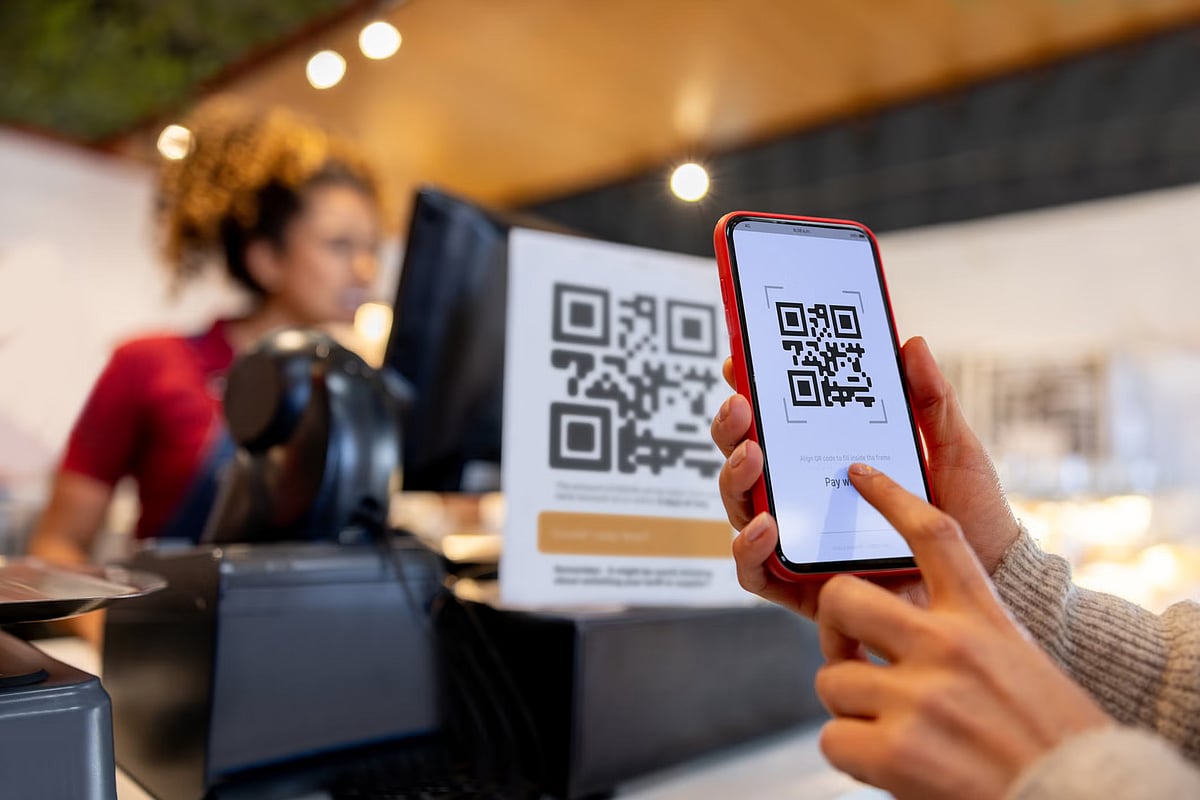
Bangladesh Bank has mandated and universalized the "Bangla QR" system to boost digital transactions, allowing customers of any bank or mobile financial service (MFS) to pay using a single QR code. This enables merchants to accept payments from consumers for goods and services through one code, regardless of the provider. For instance, payments can be made to a "Bikash" or "Rocket" provided Bangla QR using a "Sonali" bank app or any other bank's application, simplifying digital payments.
Currently, Bangla QR facilitates 35,000 to 37,000 transactions daily, amounting to 110 to 120 million BDT. However, this figure is significantly lower than the total daily digital transactions of 340 million BDT made by bank card and MFS users, indicating that a substantial portion of digital commerce is not yet under the QR code system. Key challenges hindering wider adoption include the complex process for retail merchants to open dedicated accounts required for service integration, with many unable to proceed due to insufficient documentation. Additionally, a mandatory 1% transaction fee for all merchants, irrespective of size, has reduced interest, as previously many small businesses and institutions were exempt. Experts suggest a tiered fee structure and initial incentives to encourage merchant participation.
Bankers note that onboarding a retail merchant for Bangla QR transactions costs approximately 500 BDT, with a lack of incentives diminishing service providers' enthusiasm. Bangladesh Bank's spokesperson, Arif Hossain Khan, acknowledged the need for initial subsidies and incentives, stating the matter would be raised with the government. The transition from individual bank QR codes to the unified Bangla QR, mandated in July, has also led to app update issues and transaction problems for some users. Despite these hurdles, Bangladesh Bank officials assure that the National Payment Switch ensures transaction security, and issues related to app updates, code errors, or network problems are expected to be resolved over time. The system, initially piloted in January 2023, aims to facilitate instant inter-transactions across all financial entities by November 2025.
The "Bangla QR" initiative represents a strategic push towards a more integrated digital payment ecosystem in Bangladesh, aiming to enhance transparency and potentially increase government revenue by formalizing transactions. However, the current adoption rate suggests a disconnect between policy implementation and market realities. The mandatory fee structure, particularly for small merchants, appears to be a significant disincentive, contradicting the goal of broad-based digital inclusion. Future success will likely depend on recalibrating incentive mechanisms and streamlining merchant onboarding processes. Considering the global trajectory towards digital economies, Bangladesh's efforts to build foundational infrastructure are commendable, but the system's long-term viability hinges on its ability to align with the economic realities and operational capacities of its diverse user base, from large financial institutions to small retail vendors.
AI-generated to prompt reflection — not editorial opinion, not advice, not a statement of fact. How this works.