Bangladesh Boosts Textile Sector Support to 5%, But Challenges Remain
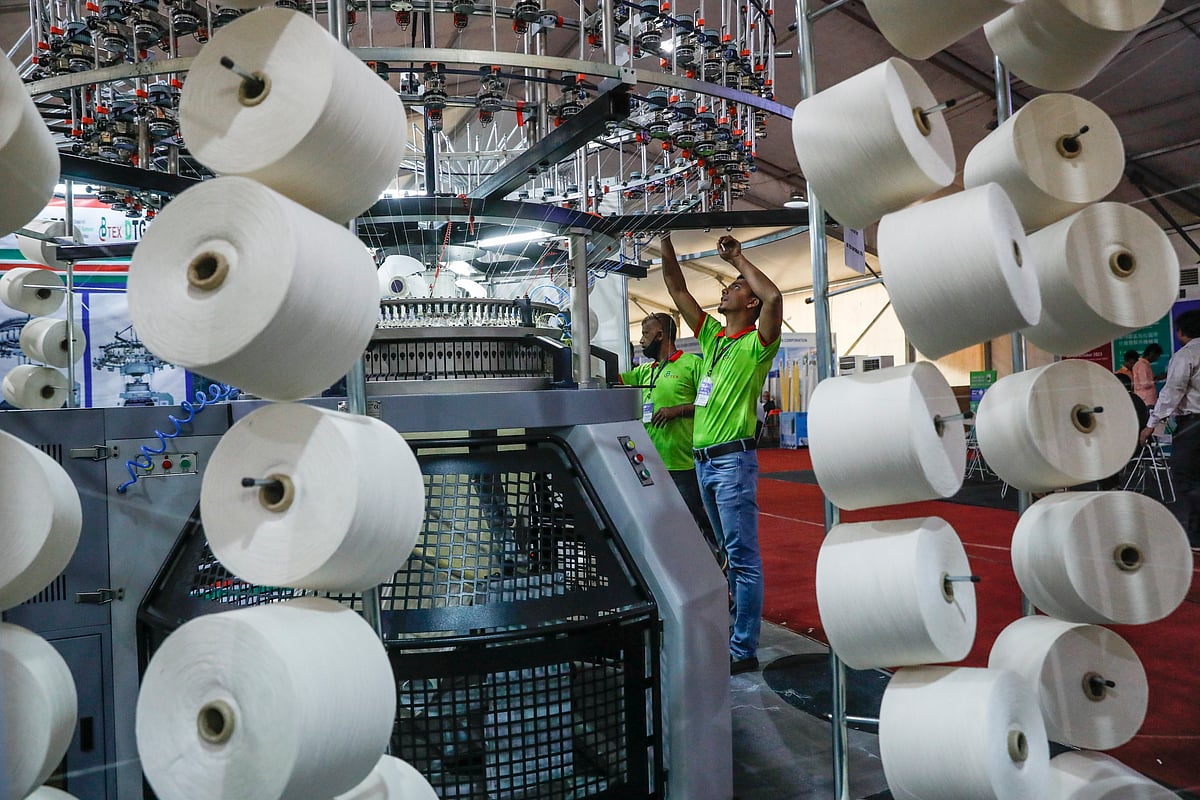
The Bangladeshi government has increased cash incentives for using locally produced yarn in the textile sector from 1.5% to 5%, aiming to revitalize the industry. This initiative is expected to cost the government approximately 35 billion BDT. However, industry insiders believe this measure will only offer marginal relief to spinning mills, which are grappling with significant challenges. These include persistent gas and electricity shortages, a liquidity crisis, and complexities in accessing the increased incentives. While the higher subsidy may lead to a modest increase in sales, estimated at around 5%, it is unlikely to fully address the sector's underlying issues.
Entrepreneurs in the textile sector have expressed concerns that the increased subsidy alone is insufficient to significantly boost domestic yarn consumption and reduce reliance on imported Indian yarn. They argue that the government needs to implement additional effective measures to support the industry. The Bangladesh Bank raised the incentive rate on July 12th, replacing previous duty drawback systems for export-oriented garment manufacturers using local yarn. This move follows a directive from the Ministry of Finance on July 9th.
Currently, Bangladesh has over 1,800 textile mills, including 527 spinning mills, with a total investment of around $2.3 billion USD. These local mills supply 80% of the yarn for the knitwear industry and 40% for the woven garment sector. Despite the incentive hike, concerns persist about the effective rate after taxes, with some estimating the final benefit to be around 3.2%. Furthermore, ongoing energy crises and high production costs continue to hinder the sector's competitiveness compared to international benchmarks, such as India's 13% support for its textile mills.
The Bangladeshi government's decision to increase cash incentives for domestic yarn usage reflects an attempt to bolster a critical export sector facing import dependency and operational hurdles. While the subsidy aims to stimulate local production and potentially reduce reliance on foreign inputs, its efficacy is tempered by systemic issues. Persistent energy shortages (gas and electricity) and liquidity constraints directly inflate production costs, diminishing the competitive advantage gained from the subsidy. The complexity of accessing these incentives, coupled with taxation, further dilutes their impact. Future policy should focus on addressing these foundational infrastructure and financial access challenges to ensure that incentives translate into sustainable growth, rather than merely offering temporary relief. A long-term strategy might involve diversifying energy sources, streamlining financial access for manufacturers, and ensuring policy consistency to build investor confidence in the sector's resilience.
AI-generated to prompt reflection — not editorial opinion, not advice, not a statement of fact. How this works.