Bangladesh Braces for Super El Niño: Urgent Need for Heat Preparedness
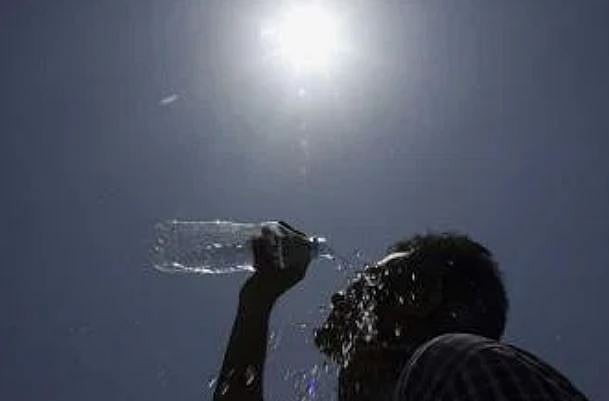
A recent World Meteorological Organization forecast indicates that by mid-2026, the Earth may face its most intense El Niño cycle in 150 years, with potential impacts beginning in Bangladesh as early as August. This phenomenon poses an existential challenge for developing nations like Bangladesh, exacerbating existing vulnerabilities due to its geography, poverty, and fragile energy infrastructure. El Niño, characterized by unusual warming of the Pacific Ocean's surface, typically leads to reduced rainfall, agricultural damage, and increased salinity along coastlines. Models suggest El Niño years could decrease Aman rice yields by 8-12%, with a past event in 2015-2016 destroying crops across 2.4 million hectares. The International Labour Organization estimates that for every degree Celsius above 34°C, a worker's productivity drops by 50%, potentially costing Bangladesh's garment and construction sectors approximately $1.1 billion in GDP in 2026. The national power grid is already strained, with air conditioning and fans consuming 30-40% of electricity during summer. A Super El Niño could add an extra 2,000-2,500 megawatts of load to the grid due to a projected 3-4°C temperature increase. Research indicates that for every 1°C rise above 40°C, heatstroke cases increase by 12% and diarrhea by 5.1%, while heat-related deaths in Bangladesh have already risen by 74% between 2000 and 2023.
The impending Super El Niño highlights a critical systemic vulnerability in Bangladesh's infrastructure and economy, particularly concerning its energy grid and agricultural sector's resilience to extreme heat. While the forecast presents a significant challenge, it also serves as a catalyst for adopting innovative, low-cost, and traditional cooling solutions. The article outlines a range of passive and active cooling strategies, from ancient architectural designs like wind catchers and solar chimneys to modern adaptations such as reflective roofs, evaporative cooling, and green infrastructure. These approaches, often leveraging local materials and natural principles, offer a stark contrast to energy-intensive conventional air conditioning. Implementing these solutions, potentially supported by microfinance and government initiatives, could not only mitigate the immediate impacts of heatwaves but also contribute to long-term energy security and climate adaptation. The challenge lies in scaling these localized successes into national policy and practice, ensuring equitable access and integrating them into urban planning and building codes to build a more resilient society for the future.
AI-generated to prompt reflection — not editorial opinion, not advice, not a statement of fact. How this works.