Bangladesh businesses show low interest in duty-free raw material import facility
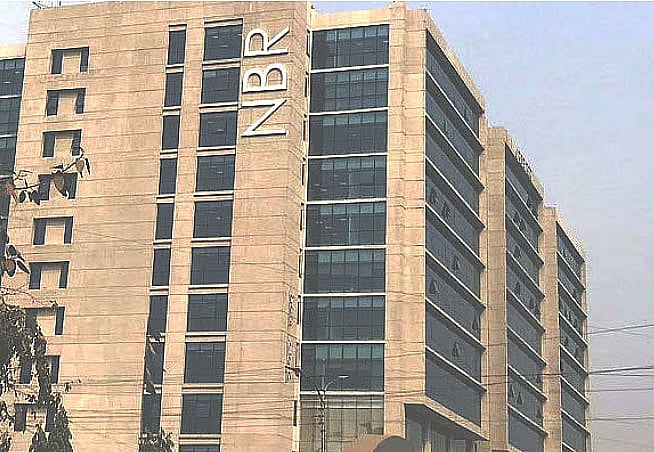
Bangladesh's National Board of Revenue (NBR) introduced a scheme in September allowing raw material imports without duties or taxes, backed by bank guarantees instead of traditional bond licenses. This initiative aimed to diversify product exports and boost overall trade. However, export-oriented businesses are exhibiting minimal interest in utilizing this facility due to perceived bureaucratic complexities and stringent regulations. Exporters report that the process requires multiple permissions before and after raw material importation, leading to increased costs, time consumption, and potential harassment. Consequently, the government's objective of stimulating export growth is not being met.
Despite the lukewarm response from businesses, the government is considering expanding the scheme. The Finance Minister, in the budget for fiscal year 2026-27, proposed extending this facility to sectors including motorcycles, speedboats, processed fish, handicrafts, diversified jute products, diapers, sanitary napkins, crockeries, tents, recycled cotton bags, and terry towels. The current process involves exporters submitting a list of required raw materials, obtaining permits from customs, and providing bank guarantees equivalent to the duties and taxes. Funds are released only after successful export and obtaining clearance from the customs commissioner.
Industry leaders like Nasir Khan, Vice President of the Footwear, Leather Goods & Accessories Exporters Association (FLAXA), have highlighted the need for a more streamlined process, suggesting a value-addition system similar to those in China and Vietnam. Selim H. Rahman, Chairman and Managing Director of Hatil, a leading furniture manufacturer, pointed out technical issues, including the difficulty of obtaining repeated permits for small orders and the exclusion of certain essential materials like lacquer and board for furniture. He emphasized that the facility needs to be made easily accessible before imposing penalties for non-compliance. An NBR official acknowledged that a few firms have used the facility and stated that there is scope for reviewing the provisions if genuine businesses face problems.
The Bangladesh government's initiative to facilitate duty-free raw material imports via bank guarantees, bypassing traditional bond licenses, aims to enhance export competitiveness and diversification. However, the low uptake by businesses, attributed to bureaucratic hurdles and procedural complexities, suggests a misalignment between policy design and practical implementation. The current system, requiring multiple approvals and bank guarantees, appears to negate the intended benefits of ease and speed. Future policy iterations should focus on simplifying procedures and reducing administrative burdens to truly empower exporters. Considering the global trend towards streamlined trade and the increasing importance of supply chain efficiency in an AI-driven economy, Bangladesh must ensure its trade facilitation measures are robust and user-friendly to remain competitive.
AI-generated to prompt reflection — not editorial opinion, not advice, not a statement of fact. How this works.