Bangladesh Considers Privatizing Power Distribution to Reduce State Burden
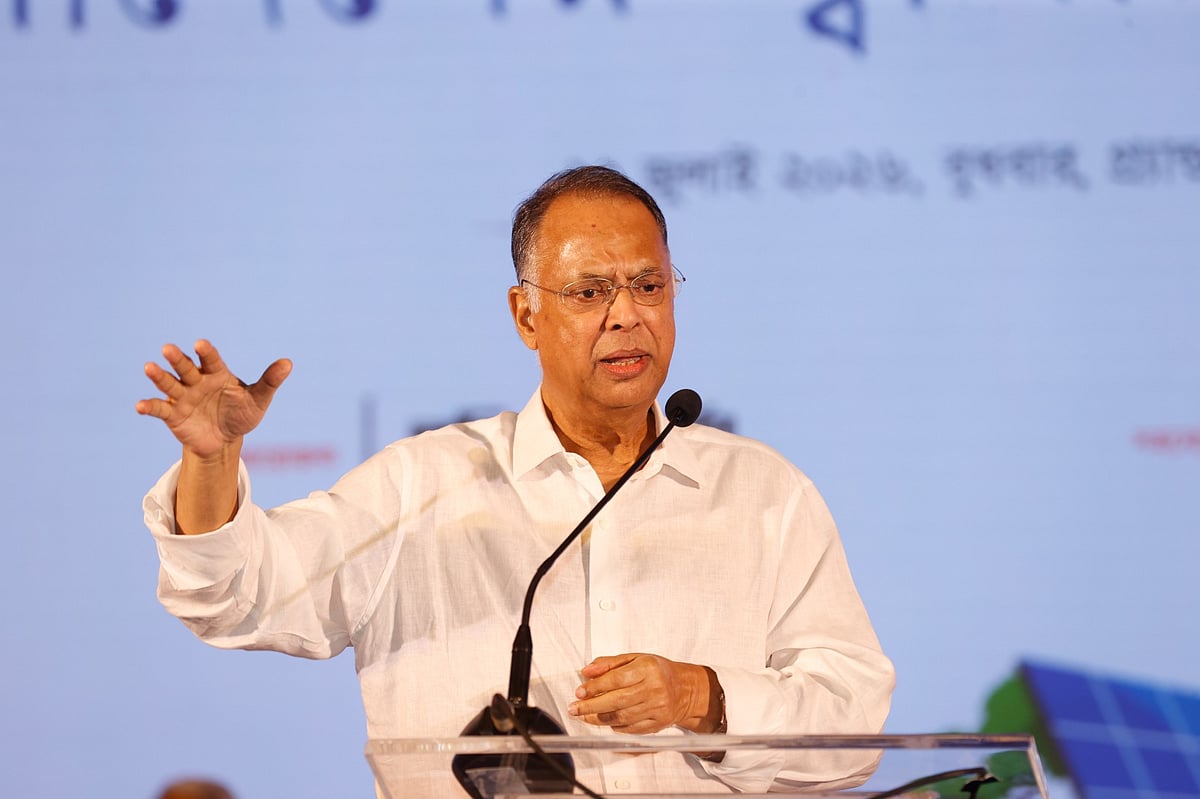
The Bangladeshi government is planning to transfer its electricity distribution network to the private sector, according to Iqbal Hasan Mahmud, the Minister of Power, Energy, and Mineral Resources. He stated that the government's primary focus should be on power generation and wholesale supply, as privatizing distribution would lessen the state's financial responsibilities. The minister cited examples from India, where Reliance and Adani manage power distribution in Mumbai and Delhi, respectively, and encouraged local businessmen to prepare for investment opportunities. These remarks were made at a policy conclave titled 'Energy Security and Transformation of Bangladesh' held in Dhaka on Wednesday. The minister emphasized that the government should not be involved in retail business operations, echoing a sentiment expressed by the Prime Minister. The event also featured discussions on the country's energy crisis, with business and banking representatives highlighting that billions of dollars in investment are stalled due to delays in gas connections, and rising industrial production costs are impacting sectors like pharmaceuticals. Minister Mahmud acknowledged the nation's heavy reliance on imports, noting a lack of domestic gas exploration over the past 17 years and the establishment of power plants without securing fuel sources, leading to issues like idle gas-based plants and insufficient LNG import infrastructure. He also mentioned a recent fire at an LNG terminal, which has reduced gas supply, and a significant backlog of Tk 67,000 crore in the power sector, though he expressed confidence in the government's management. The capacity charge for power plants was identified as a major issue, with the state obligated to pay these bills due to sovereign guarantees, exacerbating the financial strain, especially with ongoing conflicts in the Middle East driving up the cost of alternative energy sources and straining the national budget.
The government's contemplation of privatizing electricity distribution signifies a strategic shift towards optimizing state resources and potentially attracting private capital for infrastructure development. This move, framed as a measure to reduce state liabilities and improve efficiency, aligns with global trends in utility management. However, the success of such a transition hinges on robust regulatory frameworks that ensure consumer protection, fair pricing, and reliable service delivery, especially given the industrial sector's critical dependence on uninterrupted power. The acknowledged challenges, including significant debt in the power sector and a historical underinvestment in domestic exploration, suggest that privatization alone may not resolve systemic issues. A comprehensive approach integrating energy security, diversification of sources, and efficient infrastructure investment, alongside transparent governance, will be crucial for Bangladesh's long-term energy stability and economic growth.
AI-generated to prompt reflection — not editorial opinion, not advice, not a statement of fact. How this works.