Bangladesh Ex-PM Sheikh Hasina Vows Return Despite Death Fears
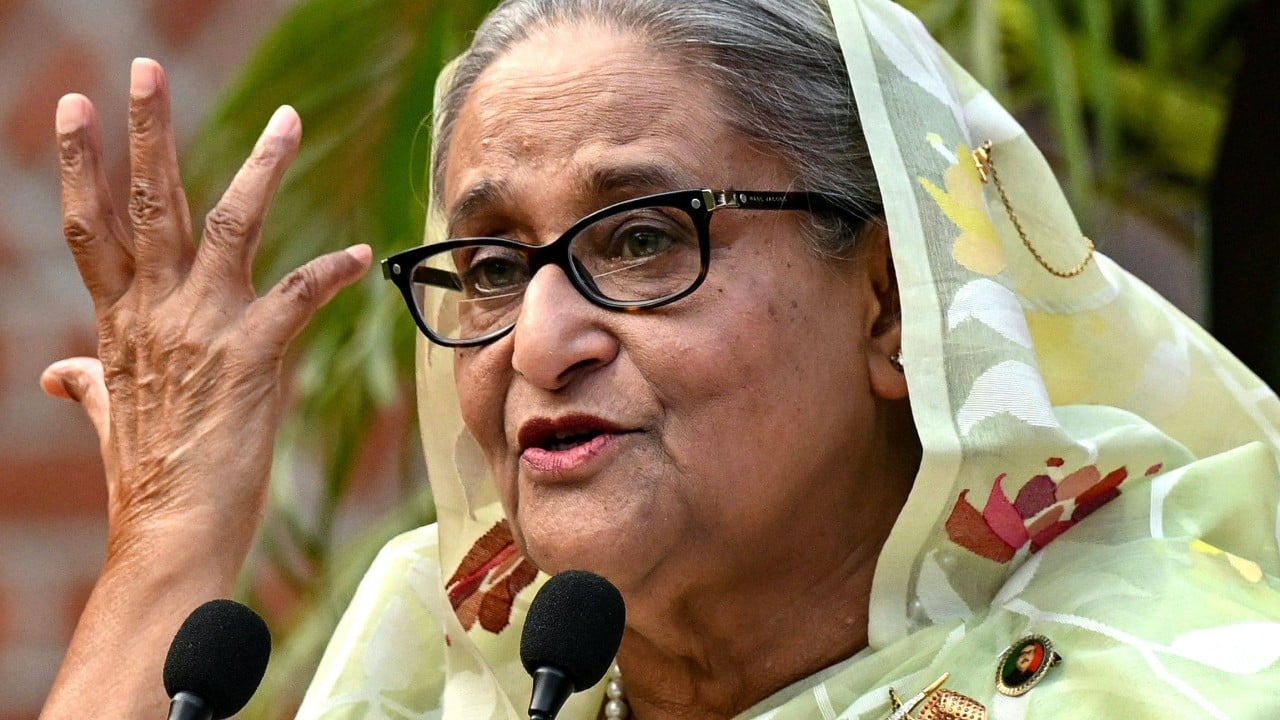
Fugitive former Prime Minister of Bangladesh, Sheikh Hasina, has declared her intention to return to the country by December, despite acknowledging significant personal risks. The 78-year-old stated in an email that she is aware she "may be killed, may be arrested, or may be sent to prison." Nevertheless, Hasina expressed a strong desire to return, citing the call of her people. Her departure from Bangladesh occurred in August 2024, following a student-led uprising that ended her 15-year tenure characterized by an "iron-fisted" rule. She fled by helicopter to India as protesters stormed her official residence. Hasina's political career has been marked by periods of both democratic leadership and authoritarian control.
Sheikh Hasina's stated determination to return to Bangladesh, despite acknowledging the potential for severe personal consequences, highlights the complex interplay between political leadership, public sentiment, and personal safety. Her decision, framed by the recent overthrow of her government after a 15-year rule, suggests a strategic calculation of her political capital and the perceived needs of her supporters. The situation raises questions about the stability of governance in Bangladesh and the potential for future political transitions. From a systemic perspective, the challenges faced by leaders in such volatile environments underscore the importance of robust institutional frameworks that can manage political change and ensure accountability, irrespective of the leader's personal safety concerns or the intensity of public calls for their return. The long-term implications will depend on the evolving dynamics between the populace, emerging political forces, and the established structures of power.
AI-generated to prompt reflection — not editorial opinion, not advice, not a statement of fact. How this works.