Bangladesh Foreign Ministry: Sheikh Hasina's statements irrelevant to extradition case
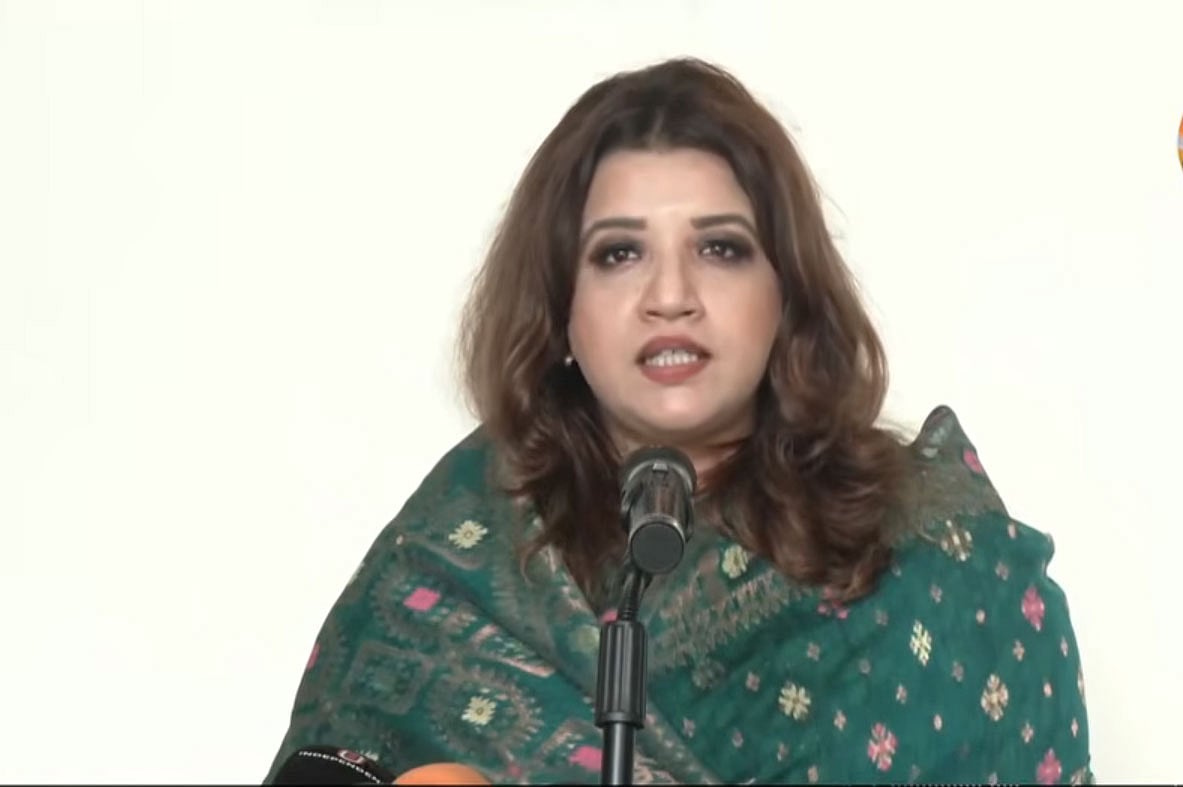
Bangladesh's State Minister for Foreign Affairs, Shama Obyed Islam, stated that any remarks made by former Prime Minister Sheikh Hasina regarding her return to the country are irrelevant to the ongoing extradition process. Sheikh Hasina, who fled to Delhi after being ousted in a popular uprising, was sentenced to death by the International Crimes Tribunal for crimes against humanity. The minister emphasized that the legal proceedings against her are continuing, despite the passage of nearly five months since the current government took office. She clarified that the extradition process began under the interim government and was reactivated after the formation of the new government, assuring that there are no diplomatic shortcomings. The Ministry of Home Affairs is also actively involved in the repatriation efforts, and the Ministry of Law will examine any potential legal complexities. The Ministry of Foreign Affairs is diligently pursuing its required procedures. Diplomatic channels with the Indian government, initiated during the interim period, remain active. The former prime minister will be brought back and tried according to established protocols and norms for extraditing an accused individual, potentially under a prisoner exchange agreement. Obyed Islam affirmed that the people of Bangladesh desire justice for the alleged wrongdoings, including corruption, murder, and enforced disappearances, and that a fair trial will be conducted on Bangladeshi soil. Regarding recent reshuffles within the Ministry of Foreign Affairs, the minister described them as a normal, ongoing process based on sincerity, skill, and competence, with official statements to be released detailing specific reasons.
The statement from Bangladesh's State Minister for Foreign Affairs highlights the complex interplay between domestic legal processes and international relations in pursuing the extradition of a former political leader. The assertion that the former prime minister's public statements are irrelevant to the legal proceedings suggests a strategic effort to compartmentalize the judicial and political spheres. This approach aims to ensure that the extradition process is perceived as driven by legal merit rather than political discourse. However, the prolonged nature of the extradition, even after the formation of a new government, raises questions about the efficacy of diplomatic channels and the potential for external political considerations to influence the timeline. The emphasis on established protocols and norms for extradition underscores the importance of adhering to international legal frameworks, while the mention of potential prisoner exchange agreements indicates a pragmatic willingness to explore various avenues. The underlying sentiment reflects a national aspiration for accountability, but the success of this endeavor will ultimately depend on sustained diplomatic cooperation and the navigation of any legal or political obstacles.
AI-generated to prompt reflection — not editorial opinion, not advice, not a statement of fact. How this works.