Bangladesh Government to Implement AI-Based System for Essential Goods Supply
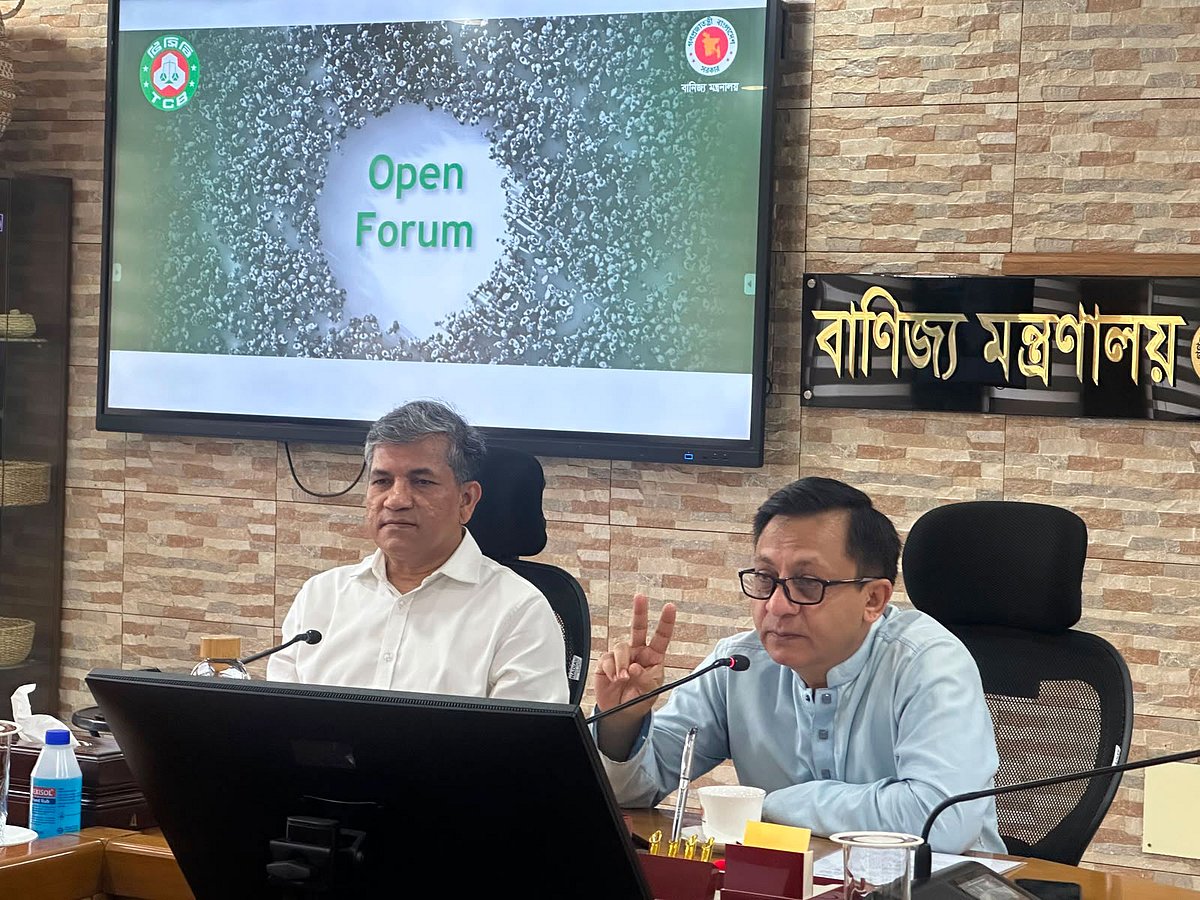
The Bangladeshi government plans to introduce an Artificial Intelligence (AI)-based analysis system to manage the supply of essential commodities. The primary objective of this initiative is to prevent market instability caused by supply disruptions. While the government may consider subsidies to control price hikes of specific products, the core focus will be on ensuring consistent availability. This AI system aims to proactively identify potential shortages and address them before they impact market prices and consumer access. The goal is to maintain a stable market environment for essential goods, thereby safeguarding consumers from price volatility and ensuring their basic needs are met.
The Bangladeshi government's adoption of an AI-based system for essential goods supply management signals a strategic shift towards data-driven policy. By leveraging AI, the government aims to move beyond reactive measures like subsidies towards proactive intervention, focusing on supply chain resilience. This approach could enhance market stability by predicting and mitigating potential shortages. The system's success will depend on the quality of data inputs, the sophistication of the AI algorithms, and the government's capacity to act on its insights. Over the next decade, similar AI-driven supply chain management systems are likely to become standard across various sectors, offering opportunities for greater efficiency and reduced price volatility, but also raising questions about data privacy and algorithmic bias.
AI-generated to prompt reflection — not editorial opinion, not advice, not a statement of fact. How this works.