Bangladesh High Court seeks reasons for not appointing female mortuary attendants for female autopsies
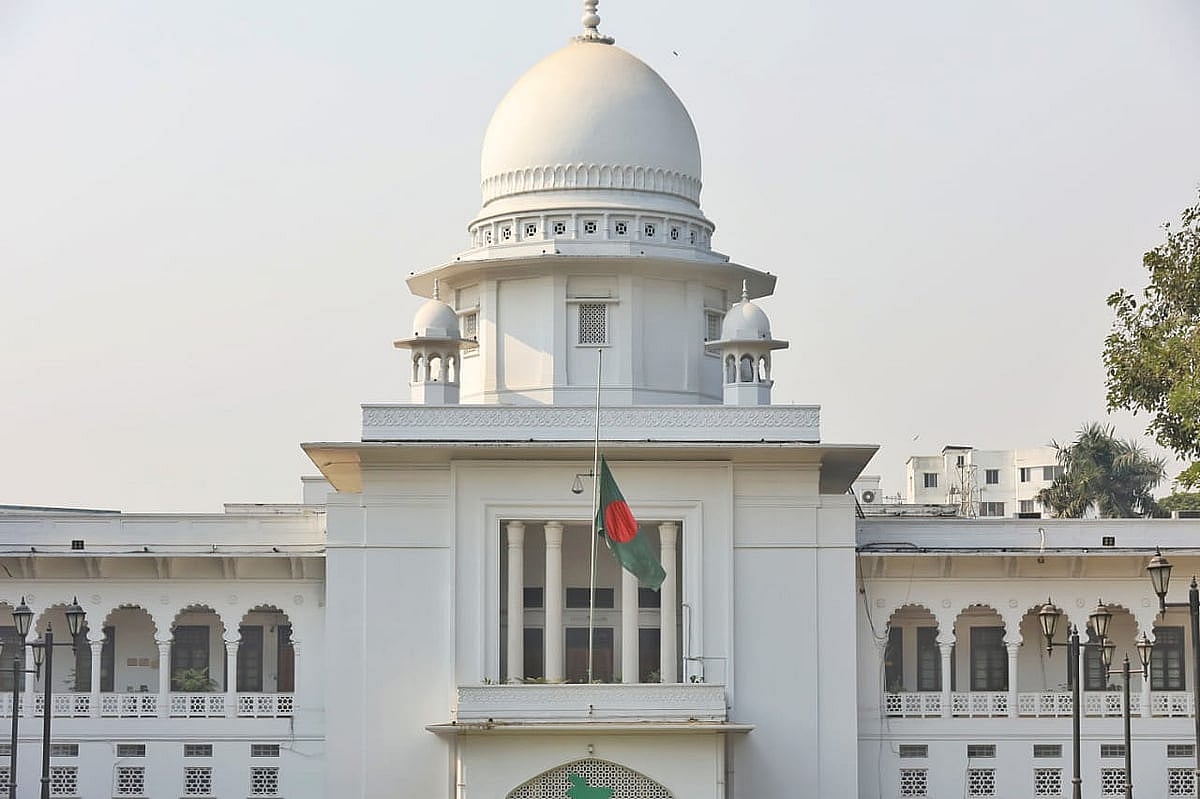
The High Court of Bangladesh has issued a rule asking why female mortuary attendants, known as 'domes,' should not be appointed in government hospitals for conducting autopsies on deceased women. The bench, comprising Justice Fahmida Quader and Justice Md. Asif Hassan, issued the rule on Sunday following an initial hearing on a writ petition. The petition was filed on June 30 by Supreme Court lawyer Md. Monir Uddin, seeking directives for necessary steps to ensure autopsies on women are performed by female staff, thereby preserving dignity and privacy. The lawyer argued that in a religiously conservative society like Bangladesh, the privacy of a woman's body, even after death, is paramount according to Islamic and other religious principles. He highlighted concerns about potential disrespect and misconduct by male attendants, citing past media reports of inappropriate incidents. The petition also emphasized that women are increasingly participating in all professional fields alongside men, and appointing female domes would address religious sensitivities and reduce gender discrimination. Furthermore, it invoked human rights principles regarding the right to privacy even after death. The court has ordered the Health Secretary and the Director-General of the Directorate General of Health Services, among other respondents, to respond to the rule. The lawyer had previously appealed to these authorities on May 13 regarding the appointment of female domes, and upon receiving no positive outcome, filed the current writ challenging their inaction.
The High Court's directive addresses a critical intersection of cultural norms, religious sensitivities, and forensic procedures within Bangladesh's public health system. By seeking justification for the absence of female mortuary attendants for female autopsies, the court acknowledges the societal demand for privacy and dignity in death, particularly in a religiously observant context. This move reflects a growing awareness of gender-specific needs within institutional frameworks and aligns with broader human rights principles concerning personal privacy. Future considerations may involve how to integrate these cultural and ethical requirements with the practical demands of forensic science and resource allocation, potentially through specialized training or recruitment initiatives for female staff in mortuary services to uphold both legal investigative needs and individual rights.
AI-generated to prompt reflection — not editorial opinion, not advice, not a statement of fact. How this works.