Bangladesh Jamaat-e-Islami Criticizes Government Over "Ghost Bills" and Energy Crisis
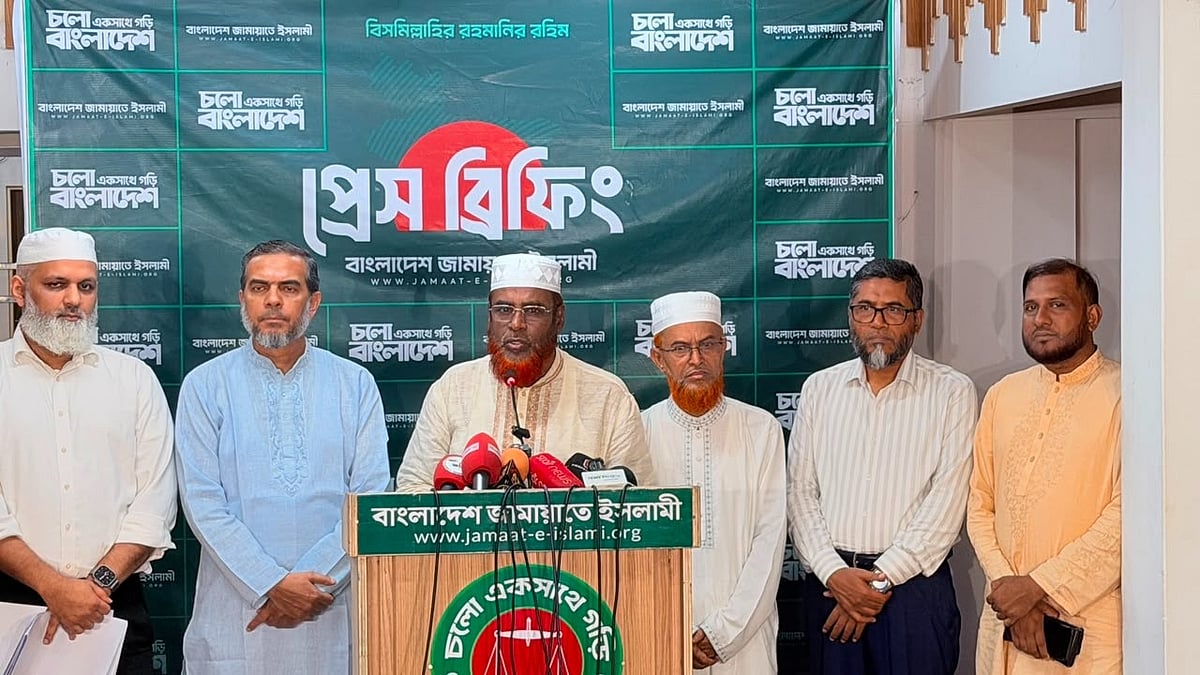
Miah Golam Parwar, Secretary General of Bangladesh Jamaat-e-Islami, has criticized the government for its failure to control "ghost bills" for electricity and the ongoing energy crisis. He stated that a lack of oversight is causing harassment to ordinary citizens, and despite promises of investigation and review, responsible parties are not taking action. Parwar made these remarks during a press conference at the party's central office in Maghbazar, Dhaka, on Monday evening. He also accused the government of being preoccupied with constitutional matters and suppressing opposition, neglecting critical issues like rising commodity prices and gas and electricity shortages. The Jamaat leader highlighted a severe gas deficit, with daily supply falling short of demand by 165 crore cubic feet due to mechanical issues at the Maheshkhali LNG terminal and reduced imports. This shortfall is impacting cooking fuel availability and power generation, leading to extensive load shedding. Parwar urged immediate action to resolve the gas crisis, including increasing production from major gas fields, investing in exploration, curbing corruption, ensuring uninterrupted electricity supply, and utilizing expert advice. He noted that public dissatisfaction has grown in the past five months of the new government's tenure. Responding to a question about inflated electricity bills, MP Nazibur Rahman Momen presented copies of such bills and criticized the continued collection of service charges and demand charges on prepaid meters, calling it "digital extortion." Momen also questioned the rationale behind the government's annual subsidy of 67,000 crore taka and called for an investigation into the LNG terminal issues, suggesting a potential conspiracy against the garment industry.
The statements from Bangladesh Jamaat-e-Islami highlight significant public dissatisfaction stemming from utility billing irregularities and energy supply shortages. The criticism points to potential systemic weaknesses in regulatory oversight and infrastructure management within the energy sector. The party's framing of "ghost bills" and "digital extortion" suggests a public perception of unfair or arbitrary charges, while the energy crisis narrative underscores vulnerabilities in national energy security and import dependency. The government's alleged focus on political matters over public welfare, as asserted by the opposition, raises questions about governance priorities. Future policy considerations should address transparency in billing, diversification of energy sources, and robust investment in domestic exploration to mitigate supply risks and build public trust.
AI-generated to prompt reflection — not editorial opinion, not advice, not a statement of fact. How this works.
