Bangladesh keeps fuel prices unchanged for August
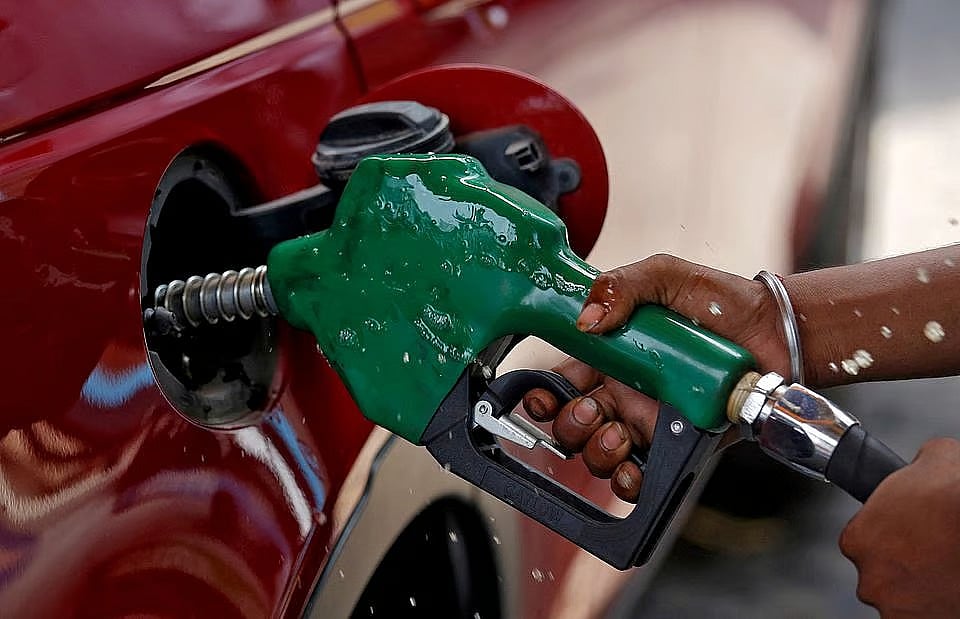
The government of Bangladesh has decided to maintain current fuel prices for August, continuing a trend of stability after previous adjustments. This decision was announced through a notice issued by the Ministry of Power, Energy, and Mineral Resources. Diesel will continue to be sold at 115 Taka per liter, a price implemented on April 19th. Kerosene remains at 135 Taka per liter, petrol at 140 Taka per liter, and octane at 145 Taka per liter. These rates for kerosene, petrol, and octane have been in effect since June. Earlier in the year, fuel prices saw significant increases, notably in April, reaching historic highs. The current stability follows a period of volatility that began after the outbreak of war in the Middle East in late February, which disrupted global oil supplies and created concerns about domestic availability. This led to panic buying and long queues at filling stations. However, supply issues were addressed shortly after the April price hikes, leading to a normalization of the market. The government had previously implemented an automatic fuel pricing mechanism in March, adjusting prices monthly based on import costs. While prices were initially kept unchanged in March and April, kerosene, petrol, and octane saw a 5 Taka increase per liter in June. The pricing for jet fuel and furnace oil is determined by the Bangladesh Energy Regulatory Commission (BERC), while the Ministry of Power, Energy, and Mineral Resources sets prices for diesel, kerosene, petrol, and octane via executive order.
The decision to maintain fuel prices in August reflects a strategic effort by the Bangladeshi government to stabilize the domestic market amidst global energy supply uncertainties. By keeping prices consistent, authorities aim to mitigate inflationary pressures on consumers and businesses, potentially fostering economic predictability. This approach balances the need to manage import costs with the imperative of social stability, especially after significant price hikes earlier in the year. The government's reliance on executive orders for pricing key fuels, while implementing an automatic mechanism for others, highlights a dual strategy of market responsiveness and administrative control. Future policy will likely continue to navigate the tension between global commodity price fluctuations and domestic affordability, with a keen eye on maintaining consumer confidence and preventing supply chain disruptions.
AI-generated to prompt reflection — not editorial opinion, not advice, not a statement of fact. How this works.