Bangladesh LPG Prices Drop Significantly, 12kg Cylinder Now BDT 1,528
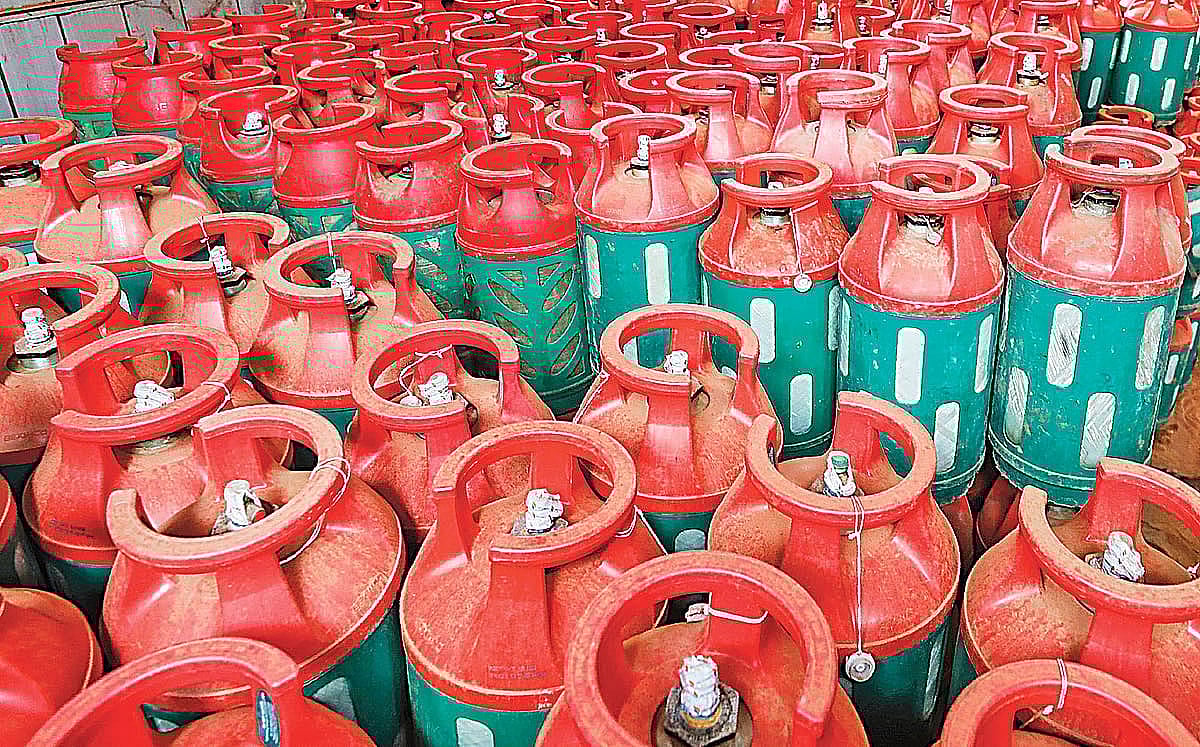
The price of liquefied petroleum gas (LPG) in Bangladesh has been reduced for consumers, with a decrease of BDT 29.76 per kilogram. This brings the price of the commonly used 12kg LPG cylinder down by BDT 357 to BDT 1,528. This follows a previous reduction of BDT 55 last month. The new pricing was announced by the Bangladesh Energy Regulatory Commission (BERC) on Thursday and will be effective from 6 PM today. Global LPG prices began to decline following the cessation of conflict in the Middle East. The BERC has set the new price for LPG at BDT 127.30 per kilogram, a decrease from the previous BDT 157.06. The commission adjusts LPG prices monthly, but there are reports that retailers are not selling LPG at the set prices. The 12kg cylinder is primarily used for domestic purposes, and complaints persist about vendors overcharging consumers. The price of the 12.5kg cylinder supplied by government companies remains unchanged at BDT 825. Additionally, the price of auto gas for vehicles has been reduced to BDT 70.40 per liter from BDT 86.93. BERC has been setting LPG prices since April 2021, basing them on the Saudi Aramco contract price (CP) for propane and butane, which are imported components. BERC calculates the dollar exchange rate for the entire month based on the average invoice prices from importing companies.
The recent reduction in LPG prices in Bangladesh, influenced by global market trends following geopolitical shifts in the Middle East, highlights the interconnectedness of international commodity markets and domestic consumer costs. While the BERC's monthly price adjustments aim to reflect these external factors, the persistent issue of retailers not adhering to official pricing suggests a potential gap in regulatory enforcement or market oversight. This dynamic raises questions about the effectiveness of price controls in ensuring equitable access to essential commodities, particularly for household consumers who rely on LPG for daily needs. Future policy considerations might involve strengthening monitoring mechanisms or exploring alternative supply chain models to ensure price transparency and affordability, thereby mitigating potential market distortions and consumer exploitation in the evolving energy landscape.
AI-generated to prompt reflection — not editorial opinion, not advice, not a statement of fact. How this works.