Bangladesh Measles Outbreak: Nearly 750 Children Dead, UNICEF Warns of Higher Toll
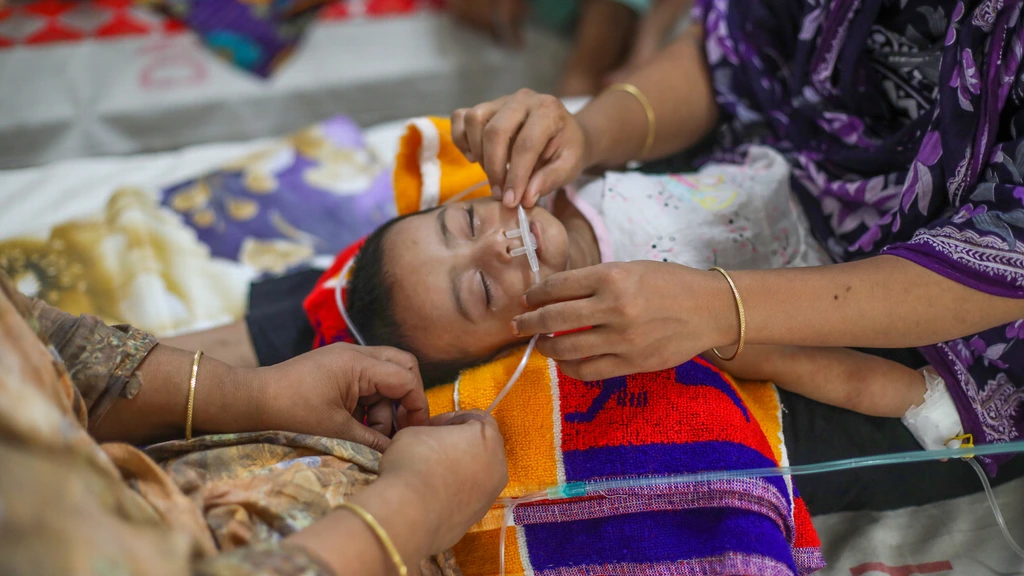
The death toll from a measles outbreak in Bangladesh has significantly increased, with nearly 750 children succumbing to the highly contagious disease or its symptoms since mid-March, according to the Bangladeshi Ministry of Health. UNICEF suggests the actual number of fatalities is likely higher due to overloaded hospitals and challenges in data collection in the South Asian nation of over 170 million people. The country has recorded over 100,000 suspected cases and confirmed infections in more than 13,000 patients, with children under five being particularly vulnerable, as reported by the World Health Organization (WHO).
A pediatrician described the current outbreak as unprecedented, with hospital corridors crowded with families due to a shortage of beds. In response to the escalating crisis, the Bangladeshi government, in collaboration with the WHO and UNICEF, launched an emergency vaccination campaign for measles and rubella among young children in April. Globally, the WHO noted approximately 95,000 measles deaths in 2024, primarily affecting young children. The current outbreak in Bangladesh, despite a historical vaccination rate exceeding 90%, is attributed to disruptions in routine immunization and catch-up campaigns since 2020, exacerbated by the COVID-19 pandemic and subsequent political instability. A decision by the interim government to cease vaccine procurement through UNICEF has reportedly led to national shortages, highlighting how even minor interruptions in vaccination programs can lead to significant public health challenges.
This measles outbreak in Bangladesh underscores the critical fragility of public health systems when routine immunization programs face sustained disruption. The confluence of pandemic-related interruptions, political instability leading to changes in procurement policy, and subsequent vaccine shortages has created a critical vulnerability. The situation highlights a systemic challenge: maintaining high vaccination coverage requires consistent, long-term investment and robust supply chains, particularly in regions susceptible to external shocks. As the world navigates an era of increasing global interconnectedness and potential for rapid disease transmission, the lessons from Bangladesh emphasize the imperative for resilient, proactive public health infrastructure that anticipates and mitigates the downstream consequences of even temporary lapses in preventative care.
AI-generated to prompt reflection — not editorial opinion, not advice, not a statement of fact. How this works.