Bangladesh Medical University to Form Profit-Oriented Companies for Healthcare Expansion
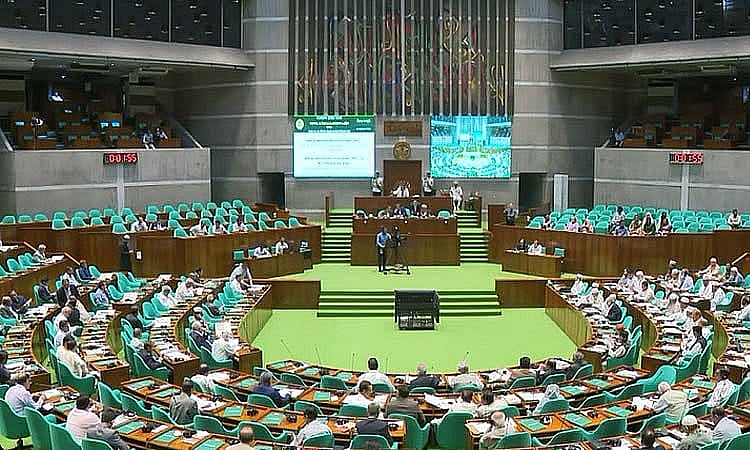
The Bangladesh Medical University (BMU) has been empowered to establish profit-oriented or non-profit companies to expand its healthcare services beyond its educational activities. This authority was granted through the passage of the 'Bangladesh Medical University (Second Amendment) Bill' in the national parliament. The primary objective of this amendment is to facilitate the full operationalization of the 'Bangladesh Medical University Super Specialized Hospital'.
Opposition members strongly opposed the bill, raising concerns that it would lead to the commercialization of healthcare and potentially exclude ordinary citizens, particularly the poor, from accessing services. They argued that when the university engages in business activities for profit, its public welfare mission would be compromised. Opposition leader Shofiqur Rahman specifically noted that the university is a key institution for health education, often serving those with limited financial means, and introducing profit motives could burden the public and disrupt existing services.
In response, Health Minister Sardar Md. Sakhawat Hossain clarified that the initiative aims to create a high-quality, skilled hospital. Any profits generated would be reinvested within the university, with the government holding a 10% share. He emphasized that the amendment, under the Companies Act, seeks to bring in expert professionals for improved medical care. The minister assured that the concerns about the poor being excluded are unfounded, as provisions for a quota for the underprivileged will be maintained, ensuring the hospital remains public-welfare oriented. Despite the opposition's proposals being rejected by a voice vote, the bill was ultimately passed.
The amendment to the Bangladesh Medical University Act reflects a global trend where public institutions explore novel governance and funding models to enhance service delivery and financial sustainability. By allowing the formation of companies, the BMU aims to leverage private sector efficiencies and capital for its super-specialized hospital. This approach, while potentially improving infrastructure and specialized care, introduces inherent tensions between public service mandates and profit-driven operations. The proposed mechanism of reinvesting profits and maintaining a quota for the poor are intended to mitigate concerns about commercialization. However, the long-term success will depend on robust regulatory oversight to ensure that financial objectives do not supersede equitable access and quality of care, particularly for vulnerable populations. Future governance structures will need to balance the imperative for advanced medical services with the foundational principle of healthcare as a public good.
AI-generated to prompt reflection — not editorial opinion, not advice, not a statement of fact. How this works.