Bangladesh Minister Announces Waived Booth Fees for Small Businesses at International Fairs
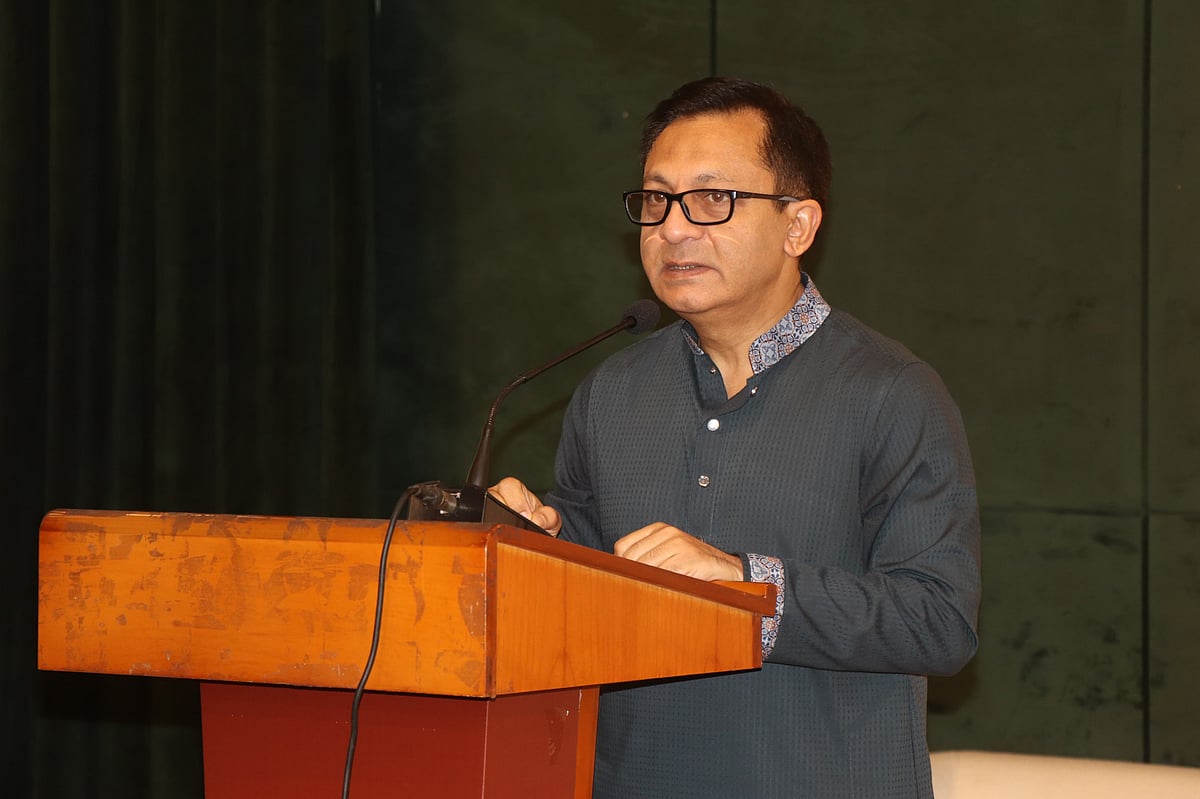
Bangladesh's Minister of Industries and Commerce, Khondaker Abdul Motadir, has announced that booth rental fees will be waived for small entrepreneurs participating in international trade fairs. This initiative aims to boost exports by enabling small businesses to gain global recognition and market access, which are often hindered by financial constraints. The announcement was made during a briefing about the 10th China-South Asia Expo and the 30th China Kunming Import-Export Fair, scheduled for 2026. The event took place at the Bangladesh-China Friendship Exhibition Center in Purbachal on Monday. Minister Motadir emphasized that the current government is committed to supporting its citizens, particularly small business owners, by simplifying trade processes. As part of these efforts, the government plans to extend the validity of trade licenses to five years and enable online application for these licenses from home. The briefing was presided over by Mohammad Hasan Arif, Vice Chairman of the Export Promotion Bureau (EPB). Also in attendance and delivering remarks were Md. Ataur Rahman Khan, Secretary of Commerce; Md. Rashedul Karim Munna, President of the Bangladesh Jute Goods Manufacturers and Exporters Association; and Md. Nasir Khan, Vice President of the Footwear Leather Goods Manufacturers and Exporters Association.
This policy shift by the Bangladeshi Ministry of Industries and Commerce signals a strategic effort to leverage small and medium-sized enterprises (SMEs) as drivers of export growth. By reducing the financial barriers to international market participation, the government aims to foster a more competitive export landscape. The move acknowledges the critical role of global exposure for nascent businesses and addresses a known impediment to their expansion. Future effectiveness will depend on equitable implementation and the broader ecosystem supporting these small entrepreneurs, including access to finance, logistics, and market intelligence. This policy could be viewed as an investment in diversifying export revenue streams, potentially mitigating reliance on traditional sectors and enhancing national economic resilience in the coming decade.
AI-generated to prompt reflection — not editorial opinion, not advice, not a statement of fact. How this works.